Vipareeta Naukasana
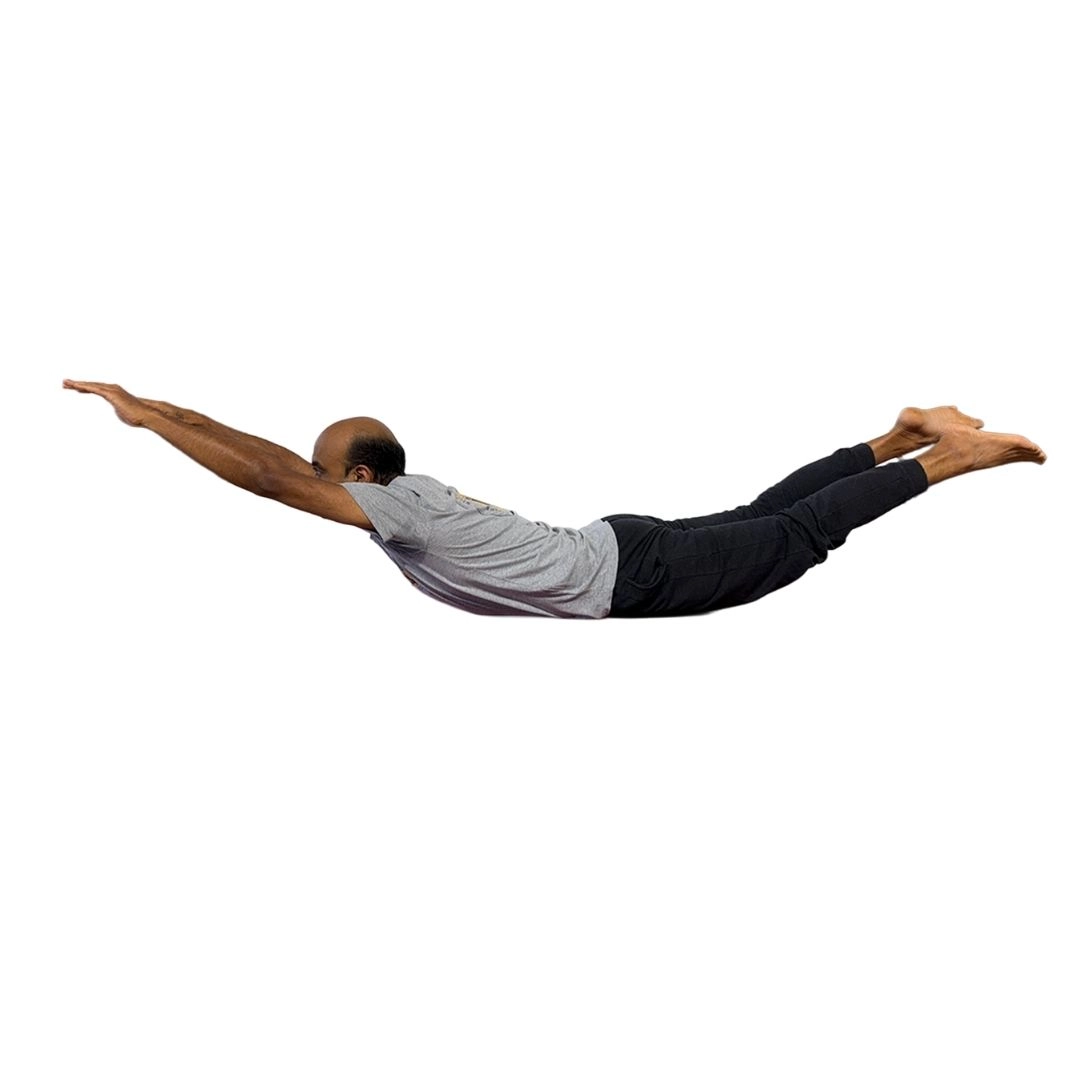
Vipareeta Naukasana, also known as Reverse Boat Pose or Inverted Boat Pose, is a back-strengthening yoga posture that works the core, back, and glutes. It’s essentially the opposite of the popular Navasana (Boat Pose), where you balance on your tailbone. In Vipareet Naukasana, you balance on your abdomen.
How to do Vipareeta Naukasana
Benefits of Vipareeta Naukasana
- Strengthens Core Muscles:
It intensely engages and strengthens your core muscles, including the abdominal muscles, obliques, and lower back muscles. This helps in building a strong foundation for your entire body. - Tones Abdominal Organs:
The pressure on the abdomen massages and stimulates the internal organs, which can help improve digestion, relieve constipation, and reduce bloating. - Reduces Abdominal Fat:
Regular practice can help in toning the abdominal region and can contribute to the reduction of fat around the belly and hip areas. - Improves Posture:
By strengthening the back and core muscles, this pose helps in improving posture and correcting slouching.
- Stretches and Strengthens:
It provides a great stretch to the entire body, from fingertips to toes. It strengthens the back, shoulders, arms, legs, and glutes. - Increases Flexibility:
The pose increases flexibility in the back, shoulders, and legs. - Enhances Concentration and Balance:
Balancing in this pose requires focus and concentration, which helps in improving self-awareness and stability.
Contraindications of Vipareeta Naukasana
Avoid or modify this pose if you have:
- Recent Injury or Surgery:
Especially in the abdomen, back, shoulders, or hips. - Severe Back Pain:
Individuals with a slipped disc or any other serious back conditions should avoid this pose. - High or Low Blood Pressure:
The pose can affect blood circulation, so it’s best to avoid it if you have blood pressure issues. - Hernia or Stomach Ulcers:
The pressure on the abdomen can be harmful.
- Pregnancy and Menstruation:
It is advised for women to avoid this pose during pregnancy and the first few days of their menstrual cycle. - Vertigo or Balancing Issues:
The pose requires significant balance and can be difficult for people with these conditions. - Weak Core Strength:
Beginners should build core strength with easier poses before attempting Reverse Naukasana. It is always recommended to practice this pose under the guidance of a qualified yoga instructor, especially if you are new to it.
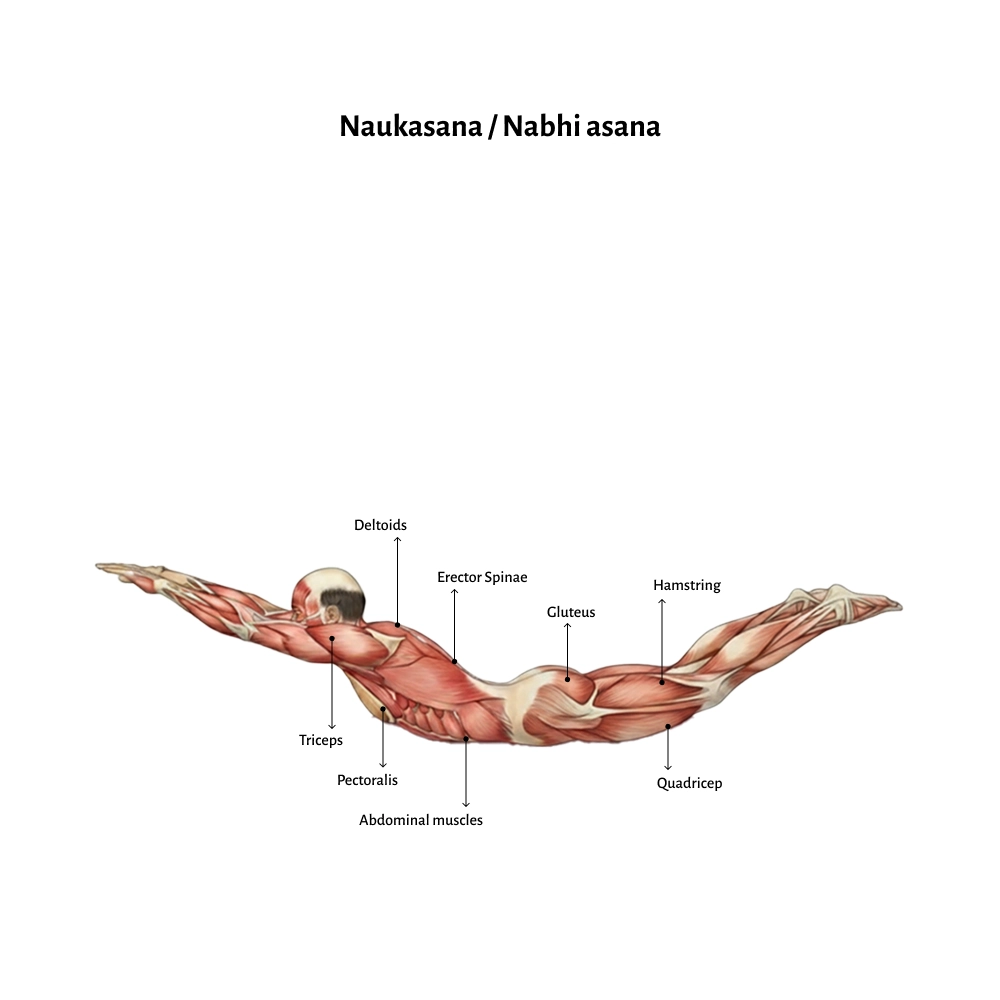
Anatomy (Muscles involved)
This pose engages a complex network of muscles and joints:
Core (Abs):
The rectus abdominis, transverse abdominis, and obliques are engaged to stabilize the torso.
Lower Back:
The erector spinae muscles along the spine are actively engaged to lift and support the upper body.
Gluteus:
The gluteal muscles are activated to help lift the legs.
Quadriceps:
The muscles on the front of the thighs work to lift the legs.
Shoulders:
The deltoids and trapezius muscles are engaged to lift the arms and stabilize the shoulders.
Pelvic Floor Muscles:
These muscles are engaged to support the body and maintain stability.