Parivritta Janu Sirshasana परिवृत्त जानु शीर्षासन
Parivritta Janu Sirshasana परिवृत्त जानु शीर्षासन, or Revolved Head-to-Knee Pose, is a deep seated twist and side stretch that offers numerous physical and mental benefits.
How to do Parivritta Janu Sirshasana
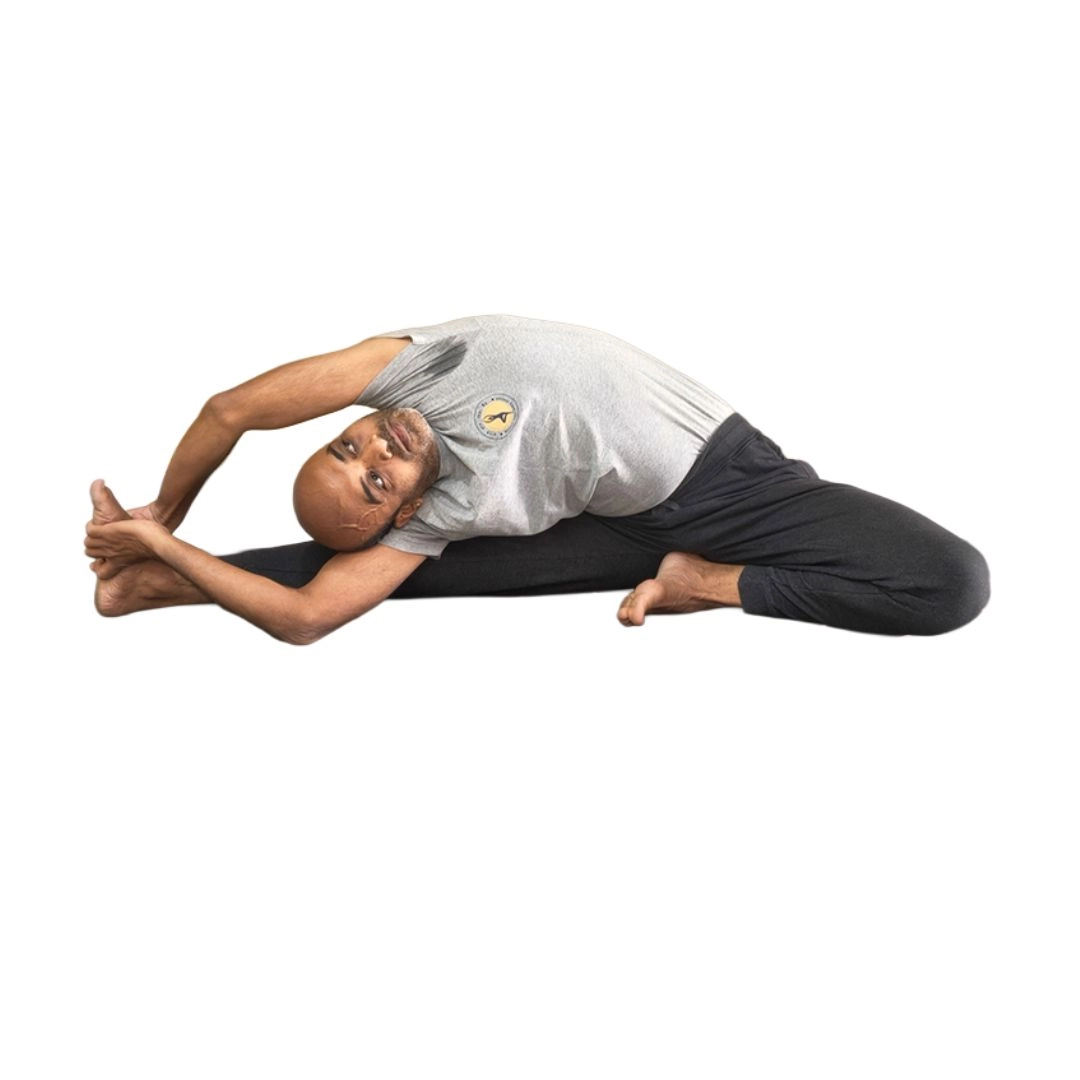
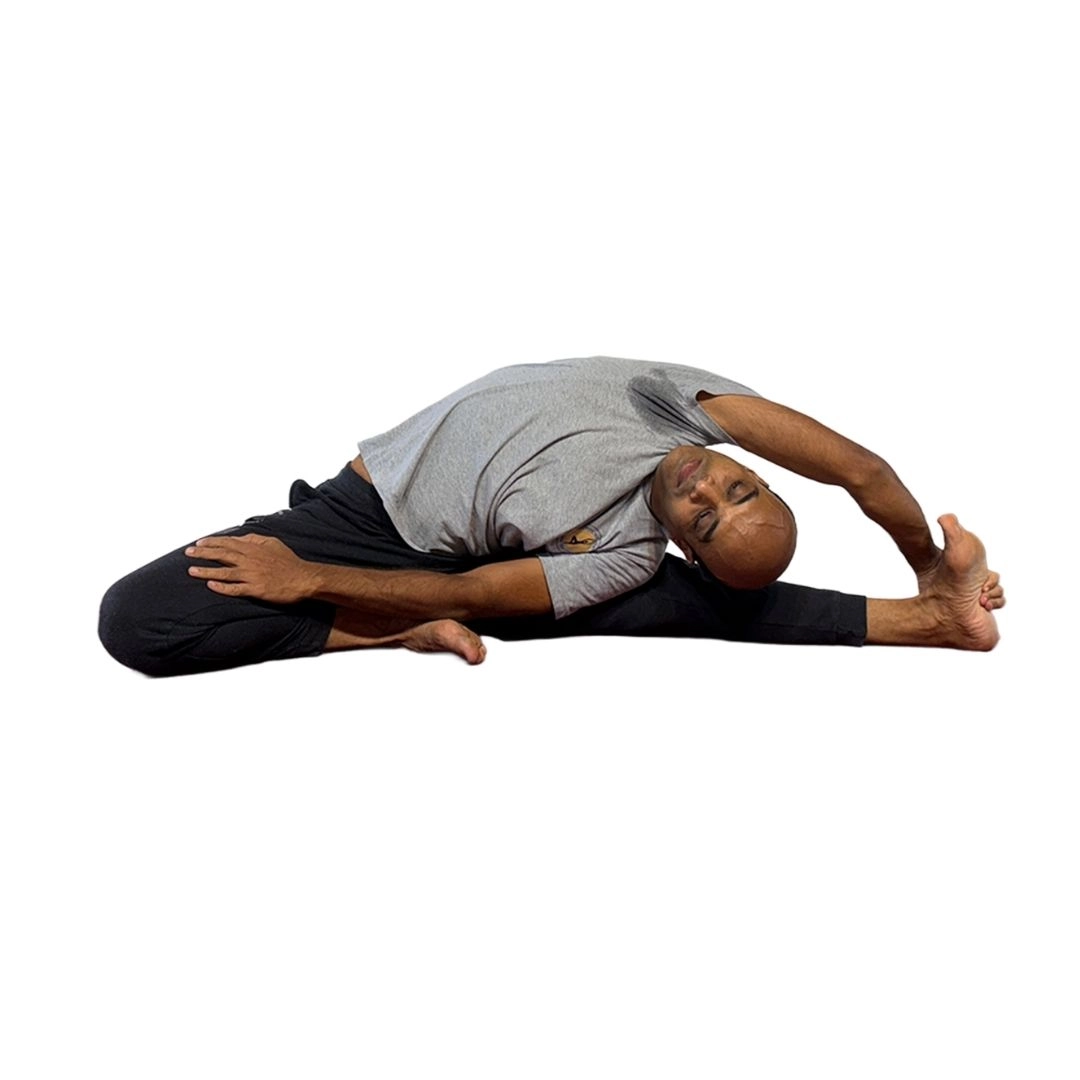
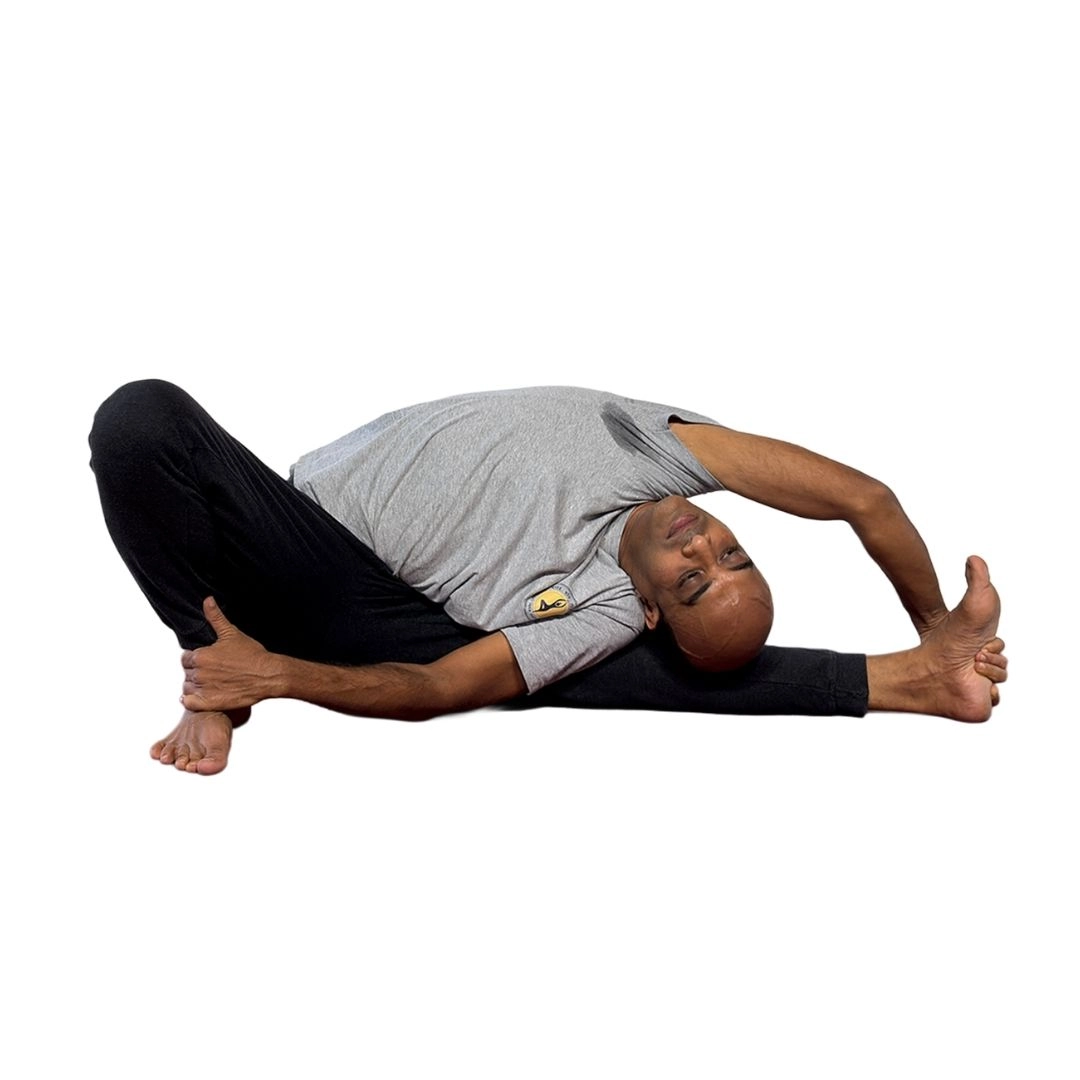
Benefits of Parivritta Janu Sirshasana
- Deep Stretch:
Stretches the hamstrings, hips, groins, and inner thighs of the extended leg.
- Spinal Mobility:
The combination of a forward bend and a twist increases the flexibility and range of motion of the spine, helping to release tension in the lower back.
- Side Body Opening:
The pose provides an intense stretch to the intercostal muscles (between the ribs) and the entire side of the torso, which can help improve lung capacity and breathing.
- Stimulates Organs:
The twisting motion massages the abdominal organs, which can aid in digestion and detoxification.
- Calming and Energizing:
It can have both a calming and invigorating effect on the mind, as it helps to release tension and improve circulation.
Contraindications of Parivritta Janu Sirshasana
Avoid or modify this pose if you have:
- Spinal Injuries:
Those with spinal issues, such as a slipped disc or sciatica, should avoid this pose or practice under the guidance of a qualified instructor. - Knee, Hip, or Rib Injuries:
The pose puts significant pressure on these joints.
- High or Low Blood Pressure:
The inversion and twisting can affect blood flow. - Diarrhea or other gastrointestinal issues:
The abdominal compression can be uncomfortable. - Pregnancy or Menstruation:
The deep abdominal compression and twisting are generally not recommended during these times.
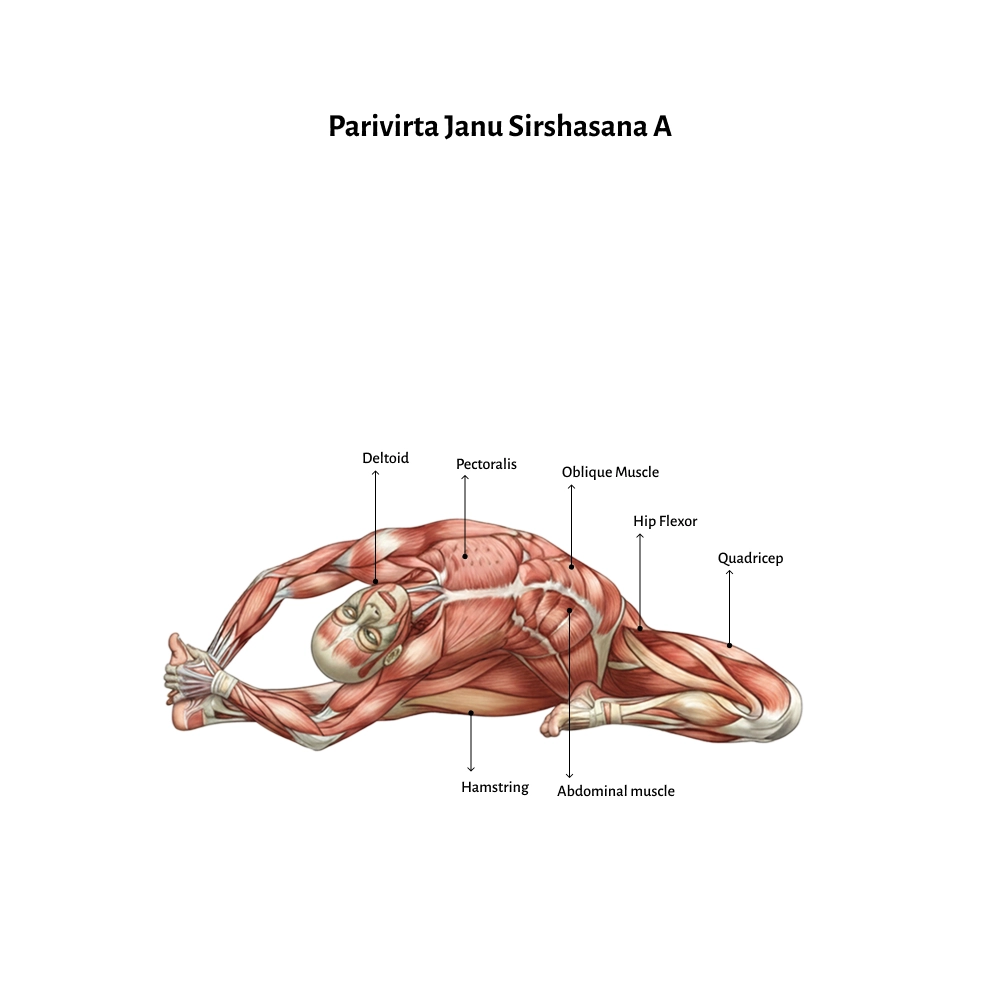
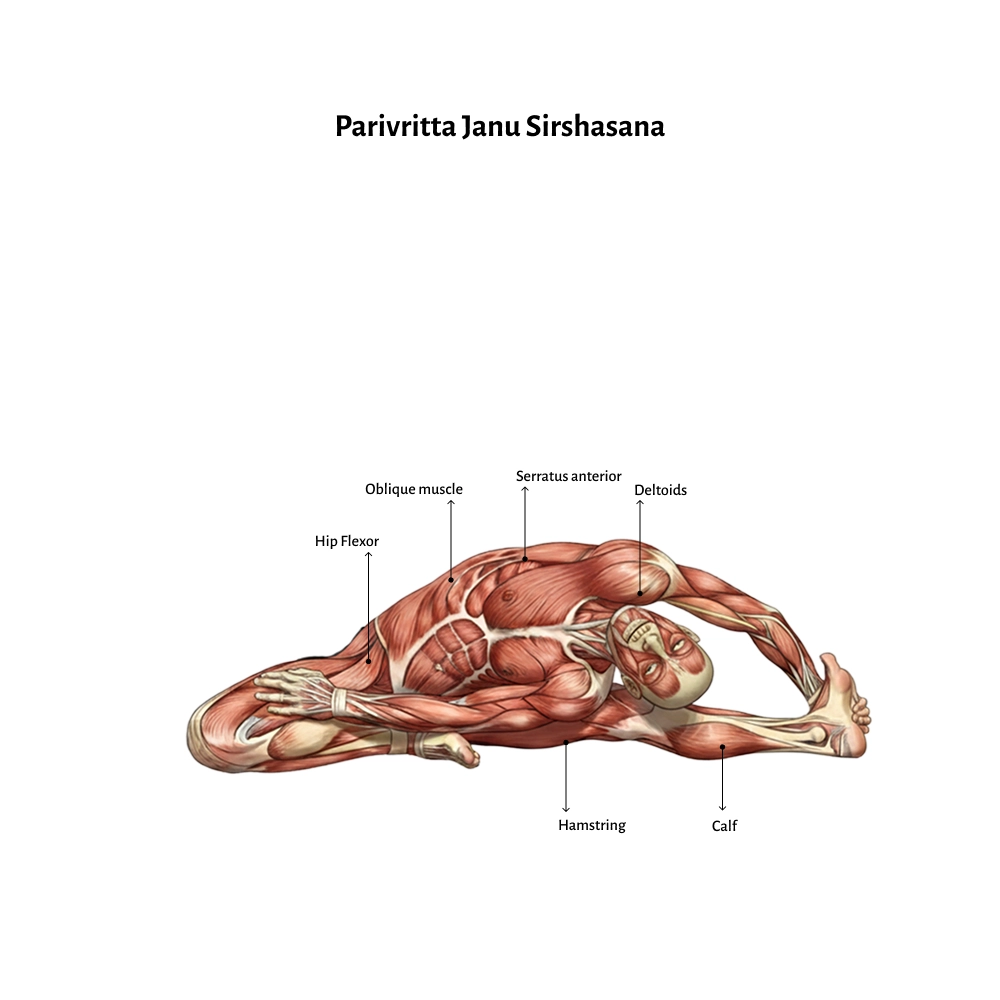
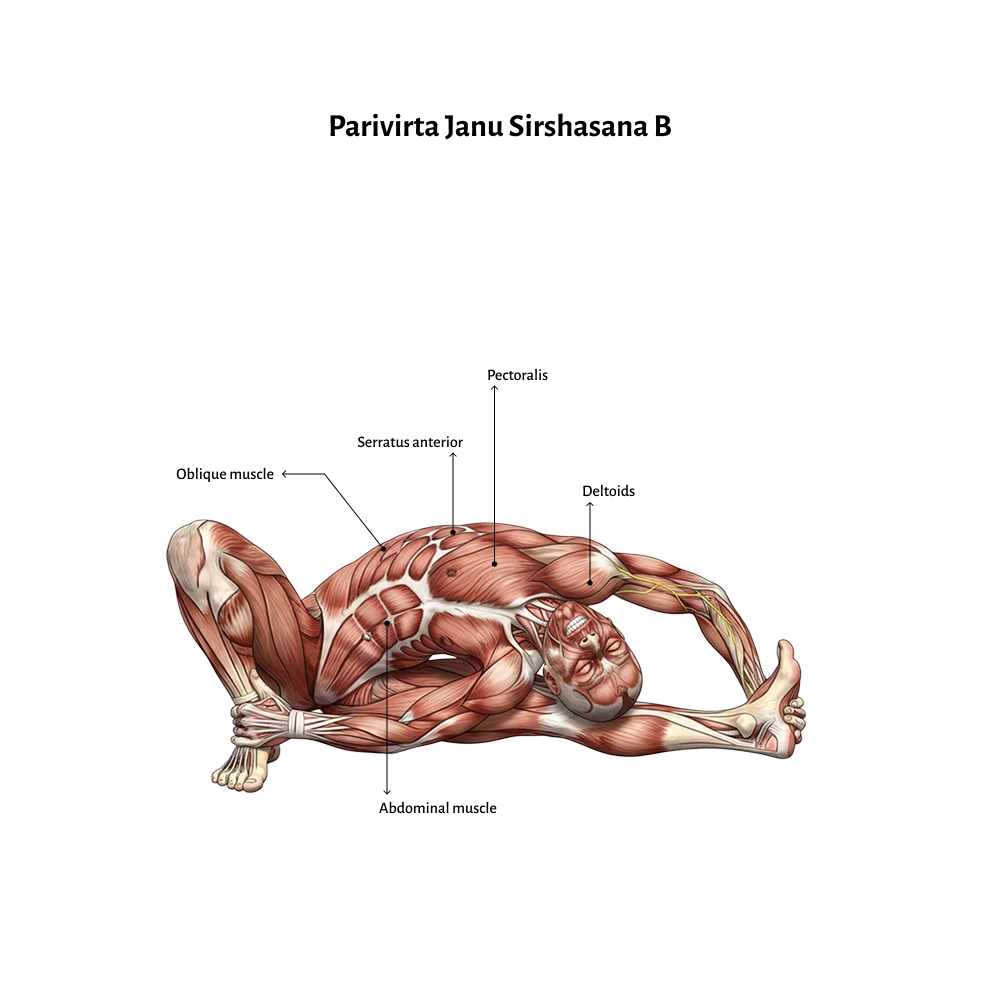
Anatomy (Muscles involved)
Parivritta Janu Sirshasana engages and stretches a wide range of muscles and joints:
Hip Flexion:
The torso folds over the extended leg at the hip joint.
Spinal Lateral Flexion (Side Bend):
The spine bends to the side to bring the torso closer to the leg.
Spinal Rotation:
The upper torso rotates to face the ceiling.
Shoulder Flexion and Abduction:
The top arm is lifted up and away from the body.
Ankle Dorsiflexion:
The foot of the extended leg is flexed, helping to intensify the hamstring stretch.
Parivritta Janu Sirsasana is a powerful blend of stretching and strengthening that improves mobility in the spine, hips, and shoulders while teaching you to coordinate a complex series of movements with your breath.”