Paschimottanasana (पश्चिमोत्तानासन)
Paschimottanasana (पश्चिमोत्तानासन), or Seated Forward Bend, is a foundational yoga posture that provides an intense stretch to the entire back of the body, from the heels to the head. The name is a combination of Sanskrit words: “paschima” (west, or the back of the body), “uttana” (intense stretch), and “asana” (posture).
How to do Paschimottanasana
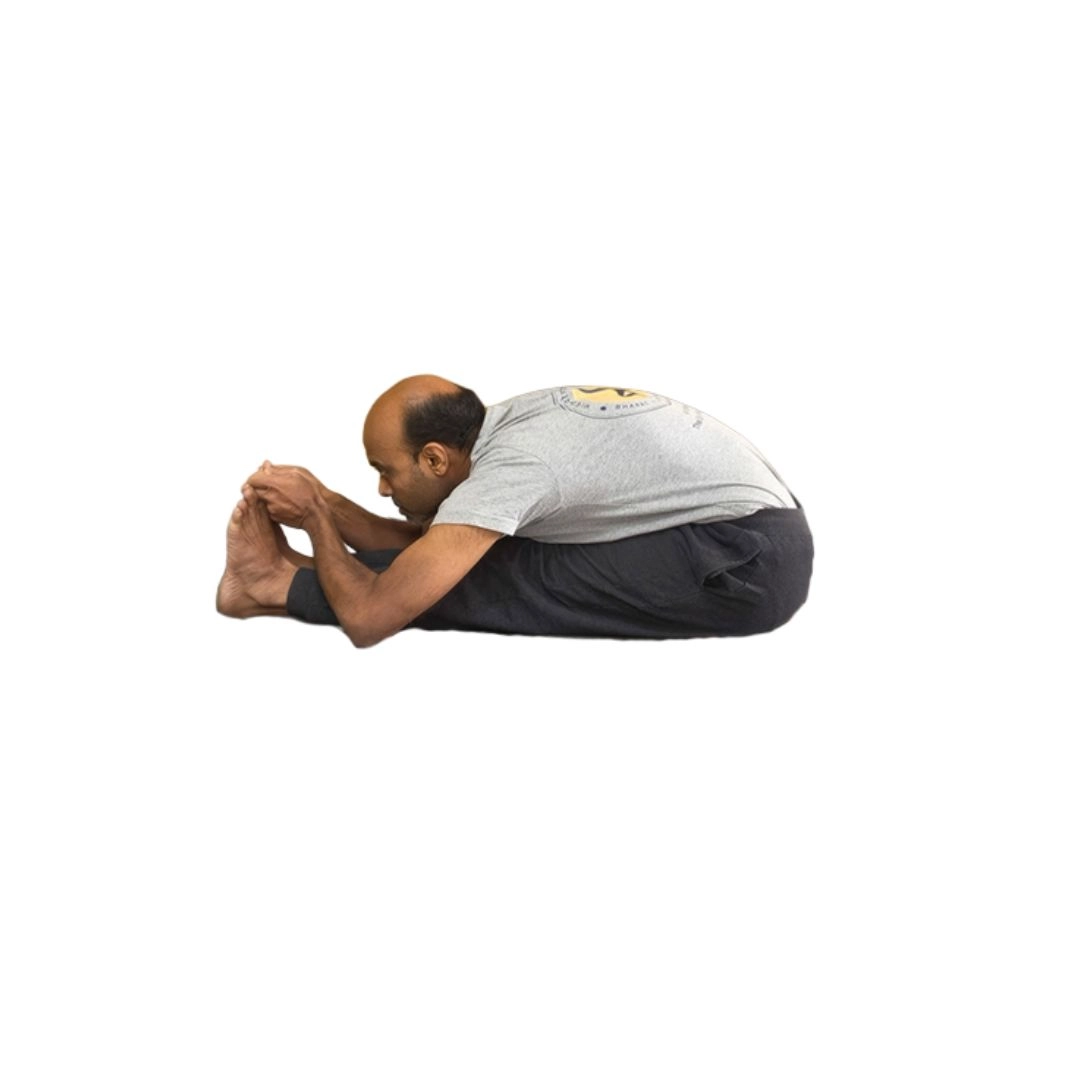
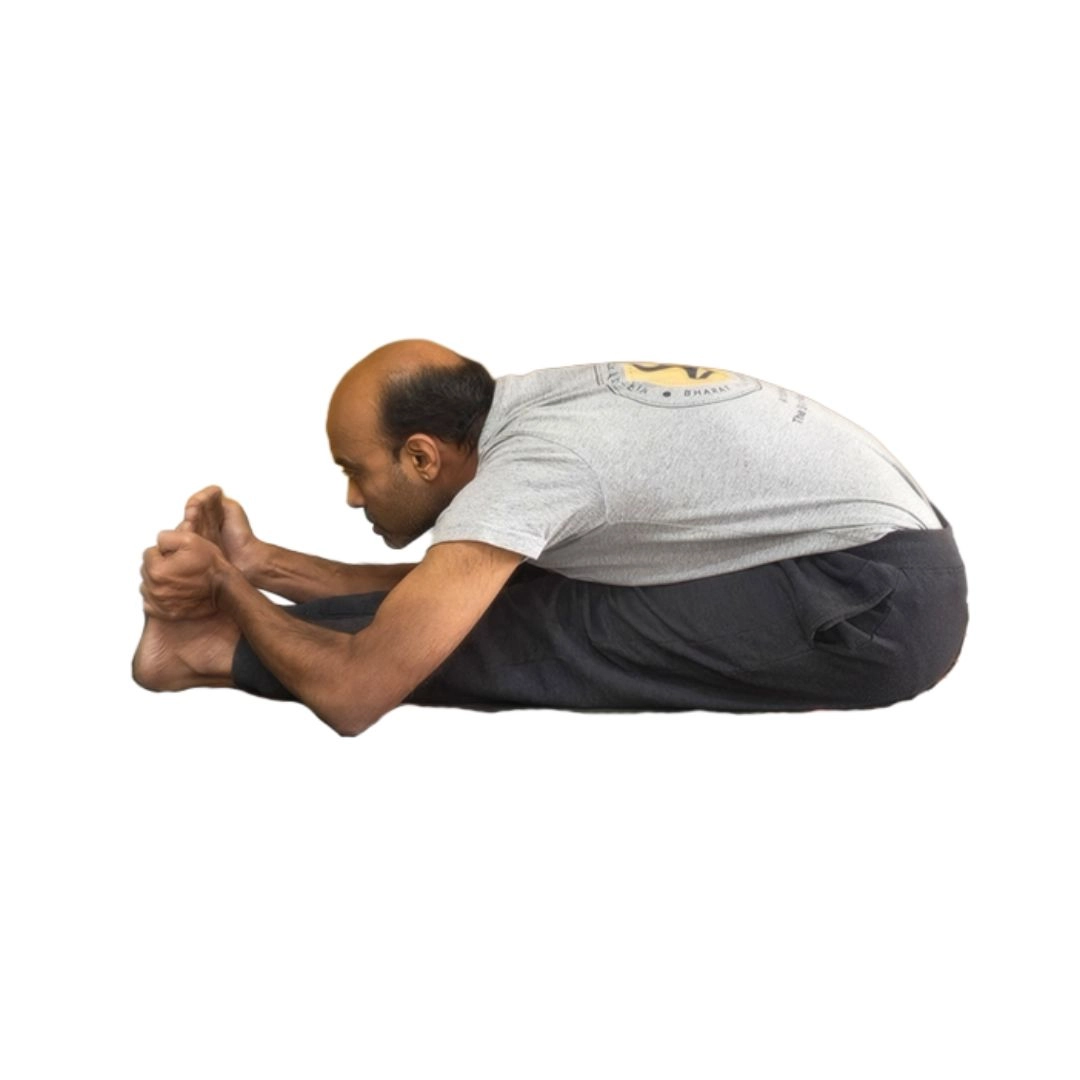
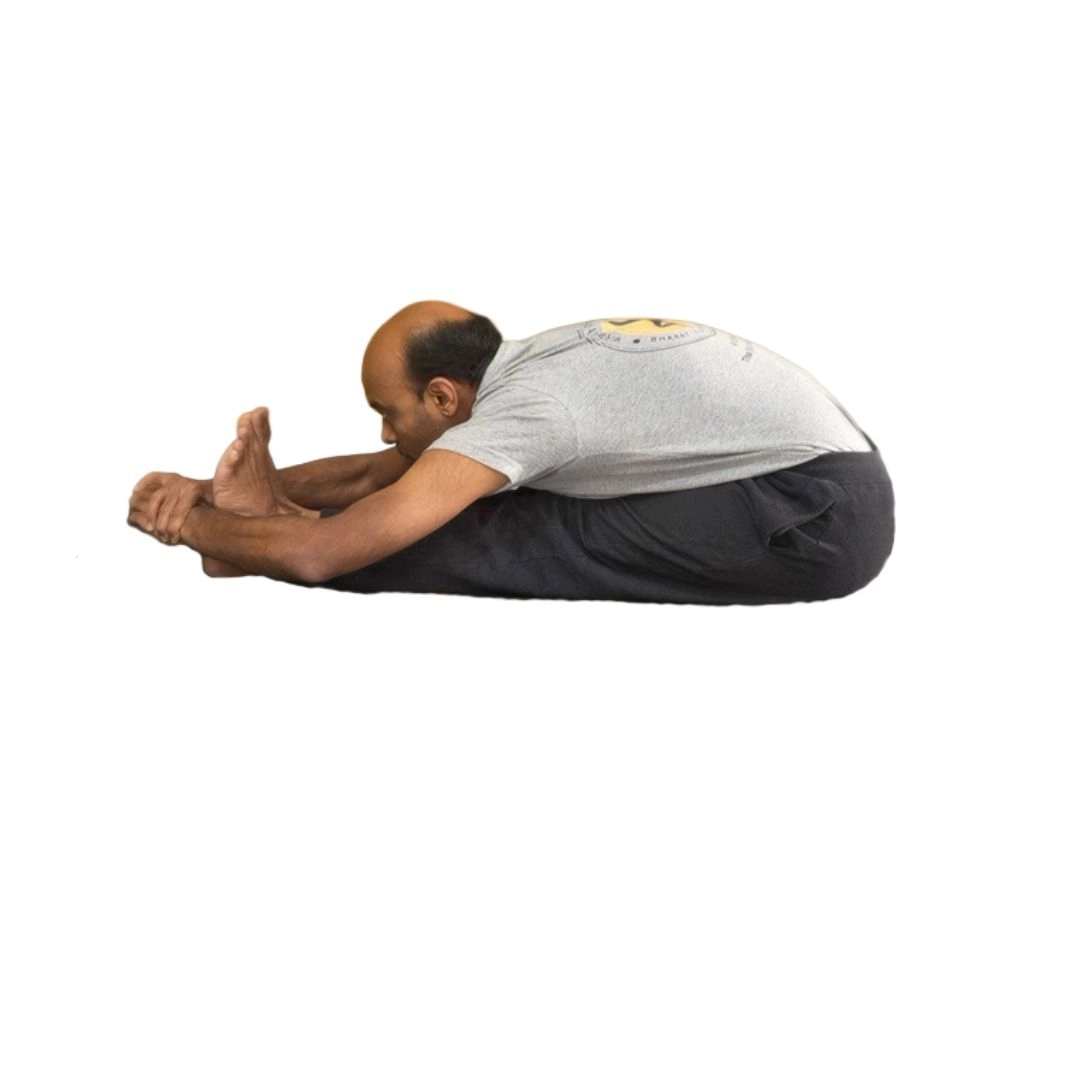
Benefits of Paschimottanasana
- Stretches the back of the body:
It provides an intense stretch for the hamstrings, calves, and back muscles, which can help relieve lower back pain and stiffness. - Calms the nervous system:
Forward bends are known for their calming effect on the mind and body. The posture can help to relieve stress, anxiety, and mild depression. - Improves digestion:
The compression of the abdomen massages and stimulates the internal organs, including the liver, kidneys, pancreas, and intestines, which can aid in digestion.
- Corrects posture:
By stretching and lengthening the spine, it can help to improve posture and a rounded upper back. - Regulates blood pressure:
The calming effect on the nervous system can help to lower blood pressure. - Relieves menstrual discomfort:
The pose can help ease menstrual cramps and discomfort by stimulating blood flow to the pelvic region.
Contraindications of Paschimottanasana
Avoid or modify this pose if you have:
- Lower Back Injuries:
Individuals with a history of severe lower back pain, a herniated disc, or sciatica should approach this pose with extreme caution or avoid it altogether. - Tight Hamstrings:
If your hamstrings are very tight, rounding your back to reach your feet can be harmful. In this case, it is crucial to bend your knees or sit on a folded blanket to maintain a long spine.
- Diarrhea or Abdominal Ulcers:
The abdominal pressure from the forward bend can exacerbate these conditions. - Pregnancy:
Pregnant women should avoid deep forward bends that put pressure on the abdomen. - Asthma:
The compression of the chest can make it difficult to breathe, so individuals with severe asthma should be mindful and take it slow.
Anatomy (Muscles involved)
This pose engages a complex network of muscles and joints:
Muscles Stretched:
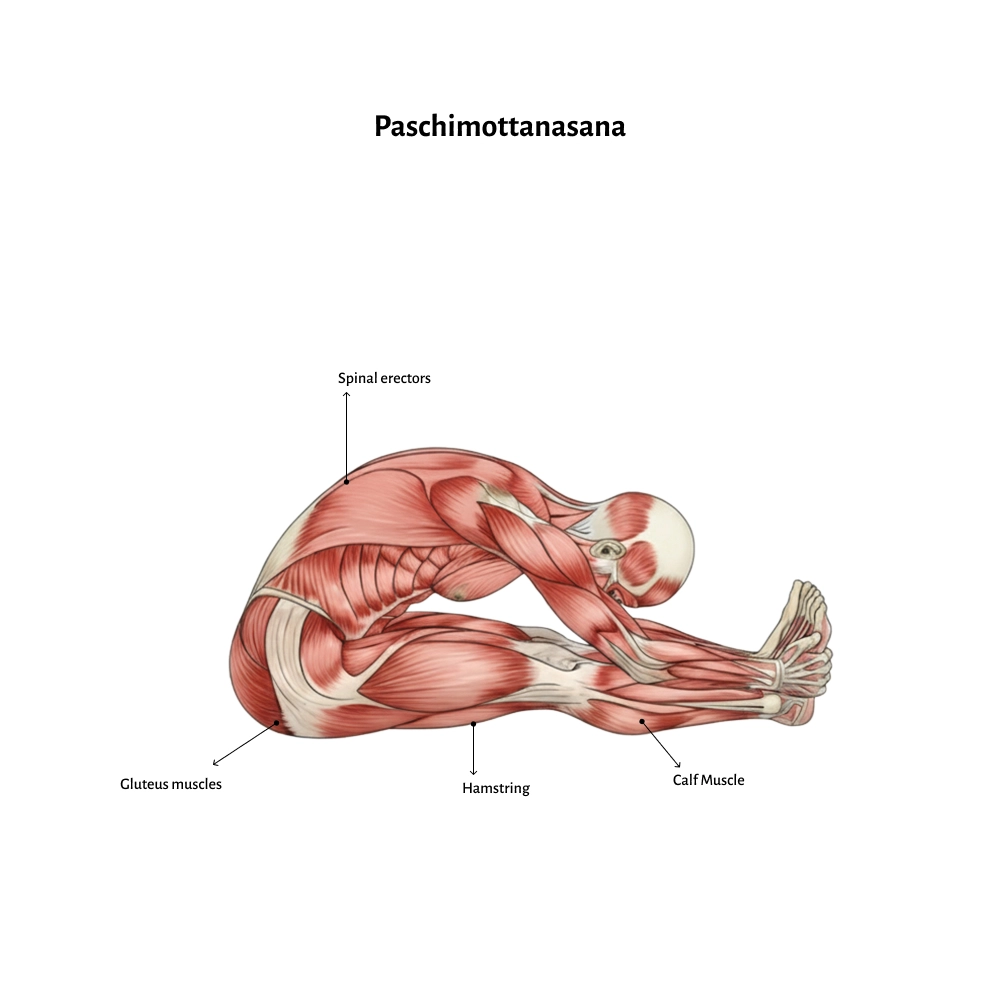
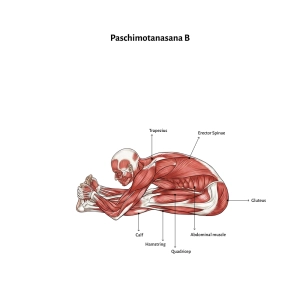
The primary muscles stretched are the hamstrings, calves, and glutes. The entire posterior chain of the body is lengthened.
Spinal Engagement:
The pose lengthens and de-compresses the spine. It stretches the erector spinae muscles along the back.
Core Engagement:
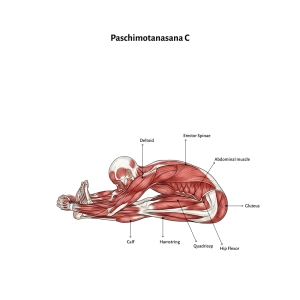
The abdominal muscles are engaged to maintain a straight spine and to support the forward fold, protecting the lower back.
Hip Flexion:
The hip joints are in a state of flexion, lengthening the hip extensors.