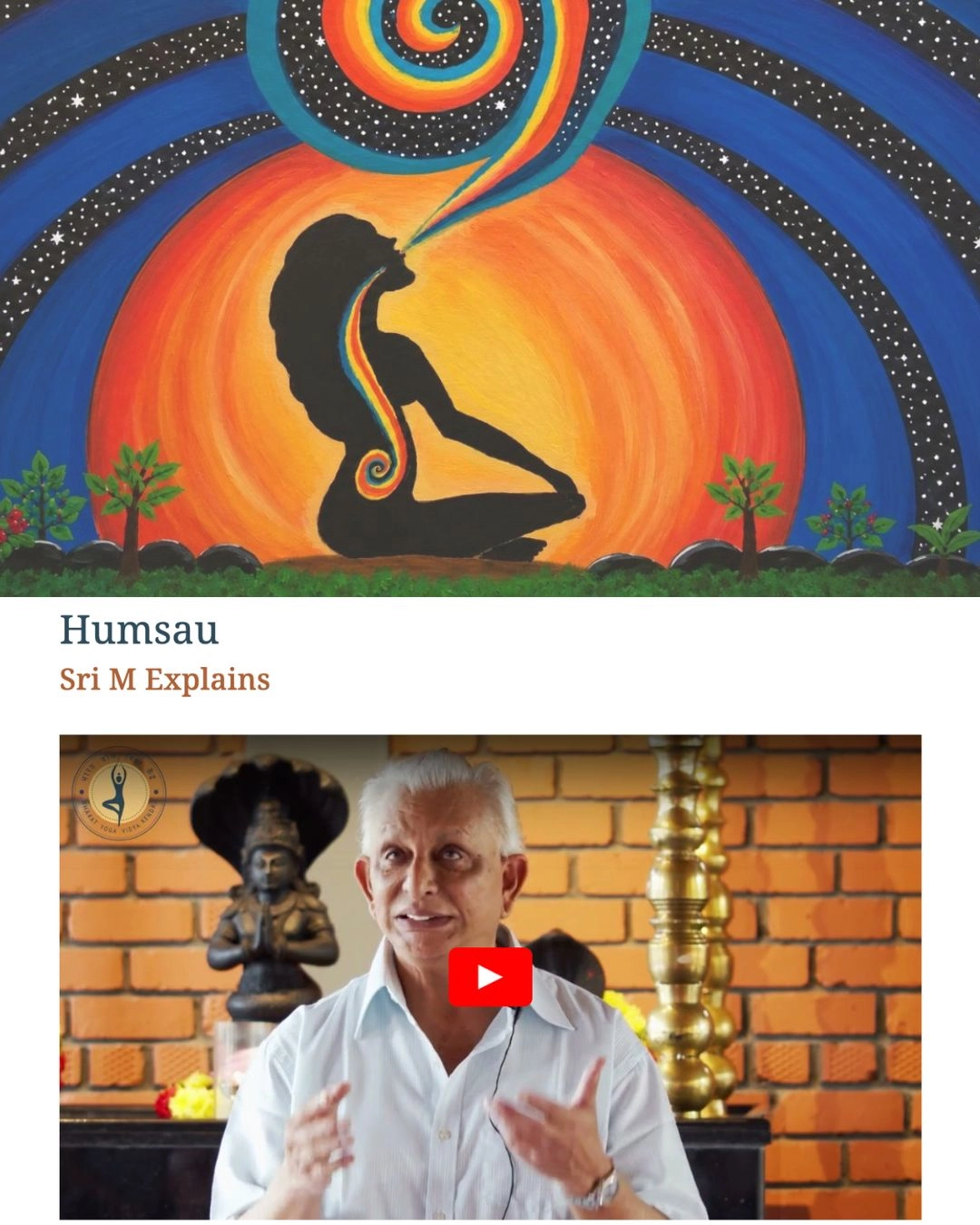
Shalabhasana (शलभासन)
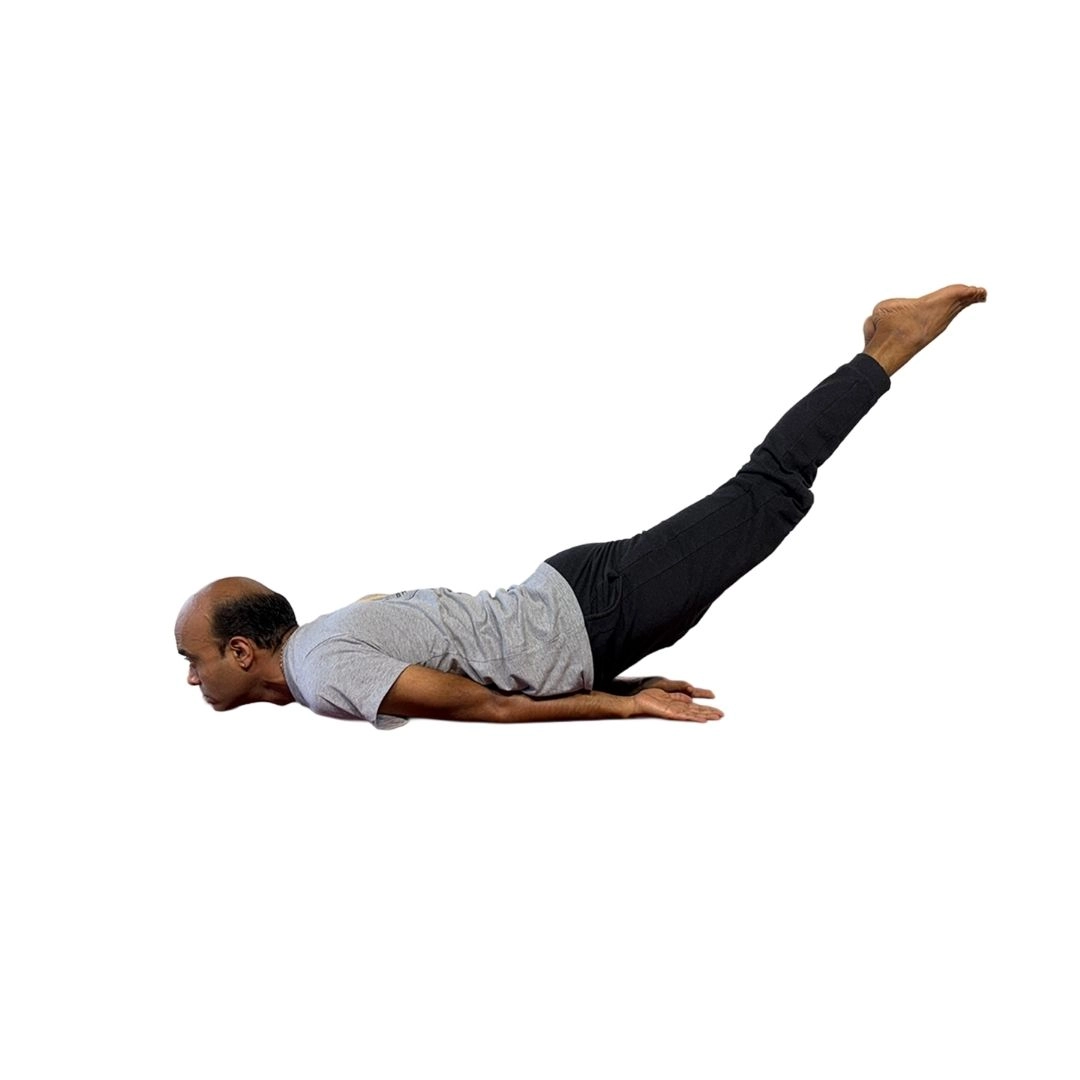
Shalabhasana (शलभासन), or Locust Pose, is a prone backbend in yoga that strengthens the entire back of the body. The name comes from the Sanskrit word “shalabha” (locust) and “asana” (posture). In this pose, the body resembles a locust at rest, or about to take flight, which is why it is often called Locust Pose.
How to do Shalabhasana
Benefits of Shalabhasana
- Strengthens the Back and Spine:
This pose is excellent for building strength in the muscles that support the spine, including the erector spinae and quadratus lumborum. This can help prevent and relieve lower back pain and improve spinal alignment. - Improves Posture:
By strengthening the back and opening the chest, Shalabhasana helps to counteract the effects of slouching and prolonged sitting. - Tones the Body:
It is highly effective for toning the glutes, thighs, hamstrings, and arms.
- Stretches the Front of the Body:
It provides a good stretch to the chest, abdomen, shoulders, and thighs. - Aids Digestion:
The gentle pressure on the abdomen can stimulate internal organs, promoting better digestion and metabolism. - Stress Relief:
Like many yoga poses, it can have a calming effect on the mind, helping to reduce stress and anxiety. - Increases Flexibility:
Regular practice can improve the flexibility of the entire spine and hips.
Contraindications of Shalabhasana
Avoid or modify this pose if you have:
- Recent abdominal surgery or hernia:
The pressure on the abdomen can be harmful. - Pregnancy:
The prone position and abdominal pressure are not advised. - Severe back or neck injury:
People with a herniated disc, severe sciatica, or any serious spinal condition should consult a doctor or a qualified yoga instructor before attempting this pose.
- High blood pressure or heart conditions:
The pose can increase heart rate and put pressure on the chest. - Peptic ulcers or other abdominal issues.
- Severe headaches or migraines.
Anatomy (Muscles involved)
This pose engages a complex network of muscles and joints:
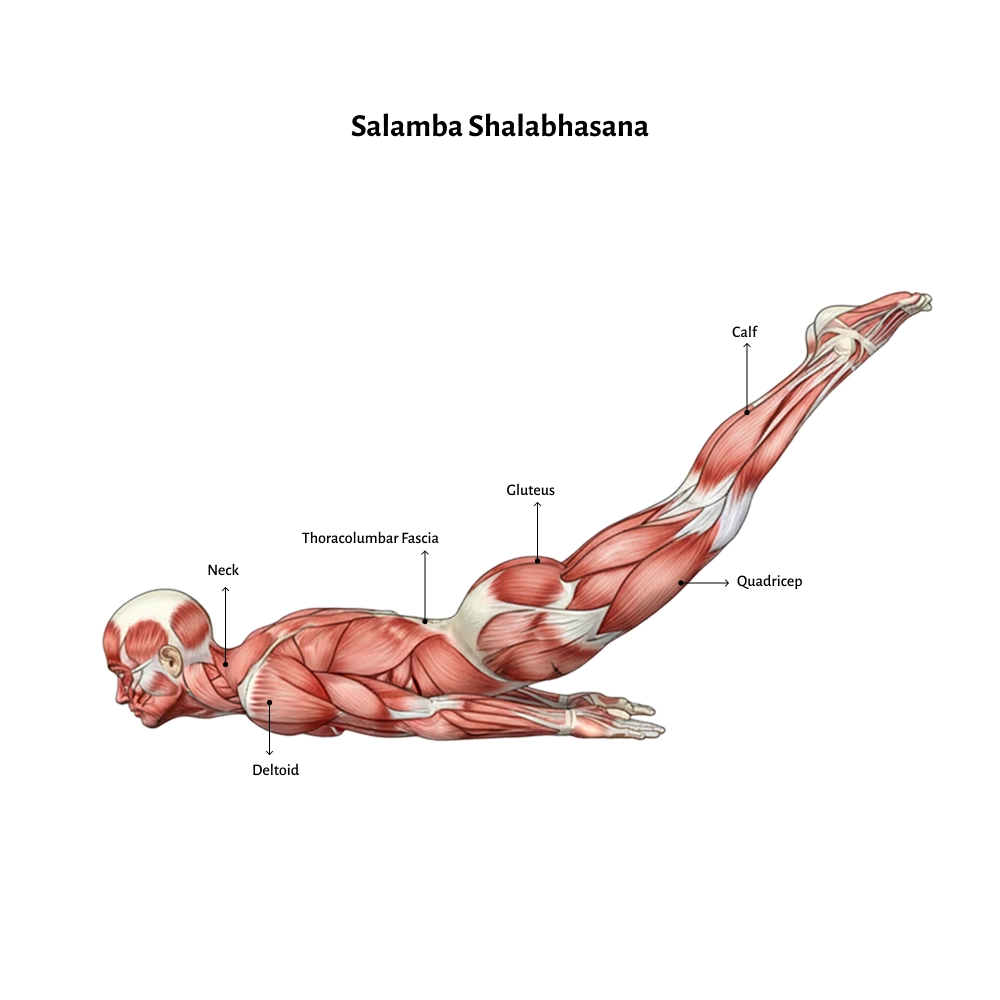
Erector Spinae:
This group of muscles runs along the spine and is responsible for extending the back.
Gluteus Maximus:
The main muscle of the buttocks, which is key for hip extension and lifting the legs.
Hamstrings:
The muscles at the back of the thighs, which work with the glutes to lift the legs.
Deltoids and Triceps:
The muscles of the shoulders and upper arms are engaged to lift and extend the arms.
Core Muscles (Abdominals):
While a backbend, the pose requires core engagement to stabilize the torso and protect the lower back.
Trapezius and Rhomboids:
These upper back muscles work to draw the shoulder blades together and open the chest.