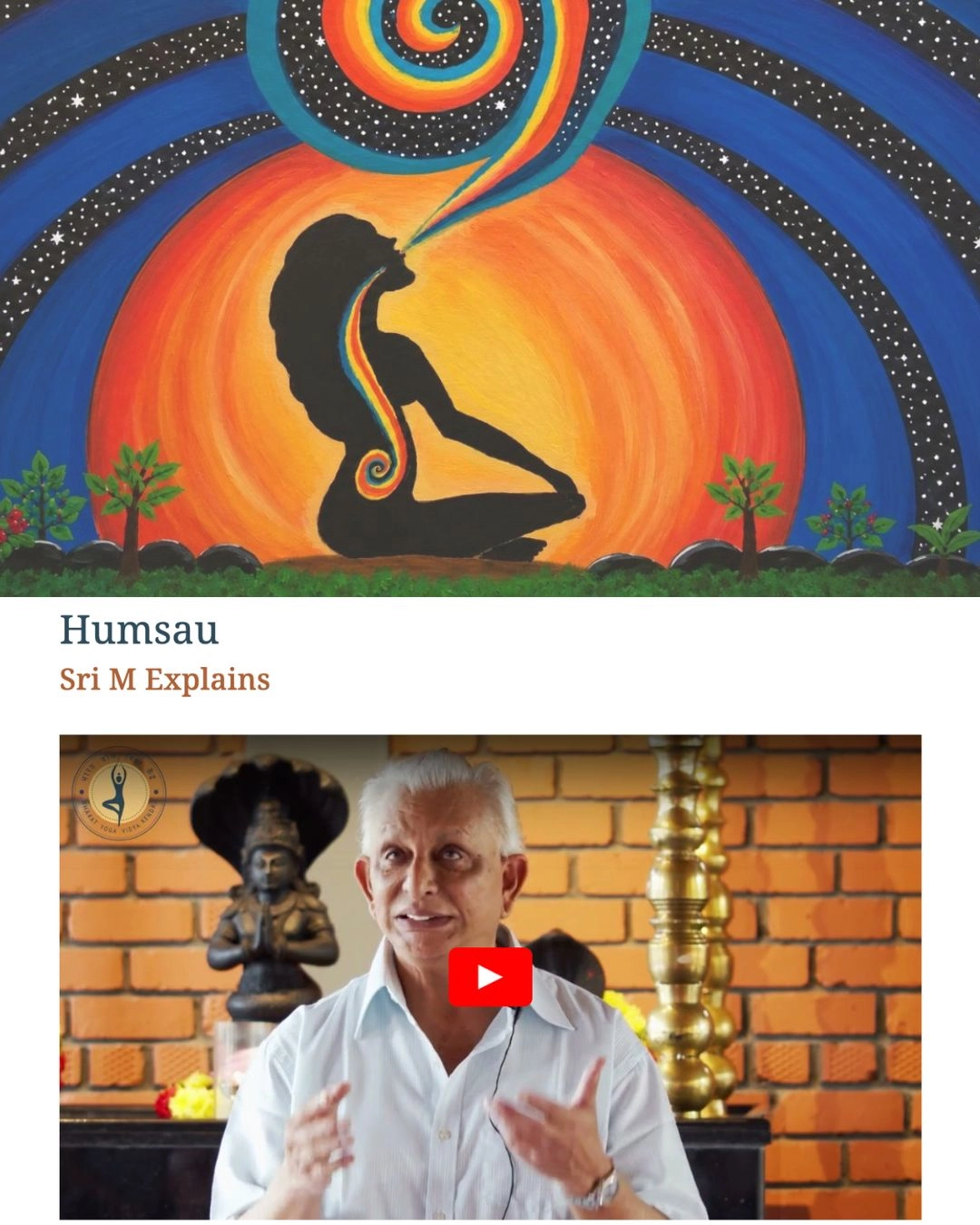
Utthan Pristhasana (उत्थान पृष्ठासन)
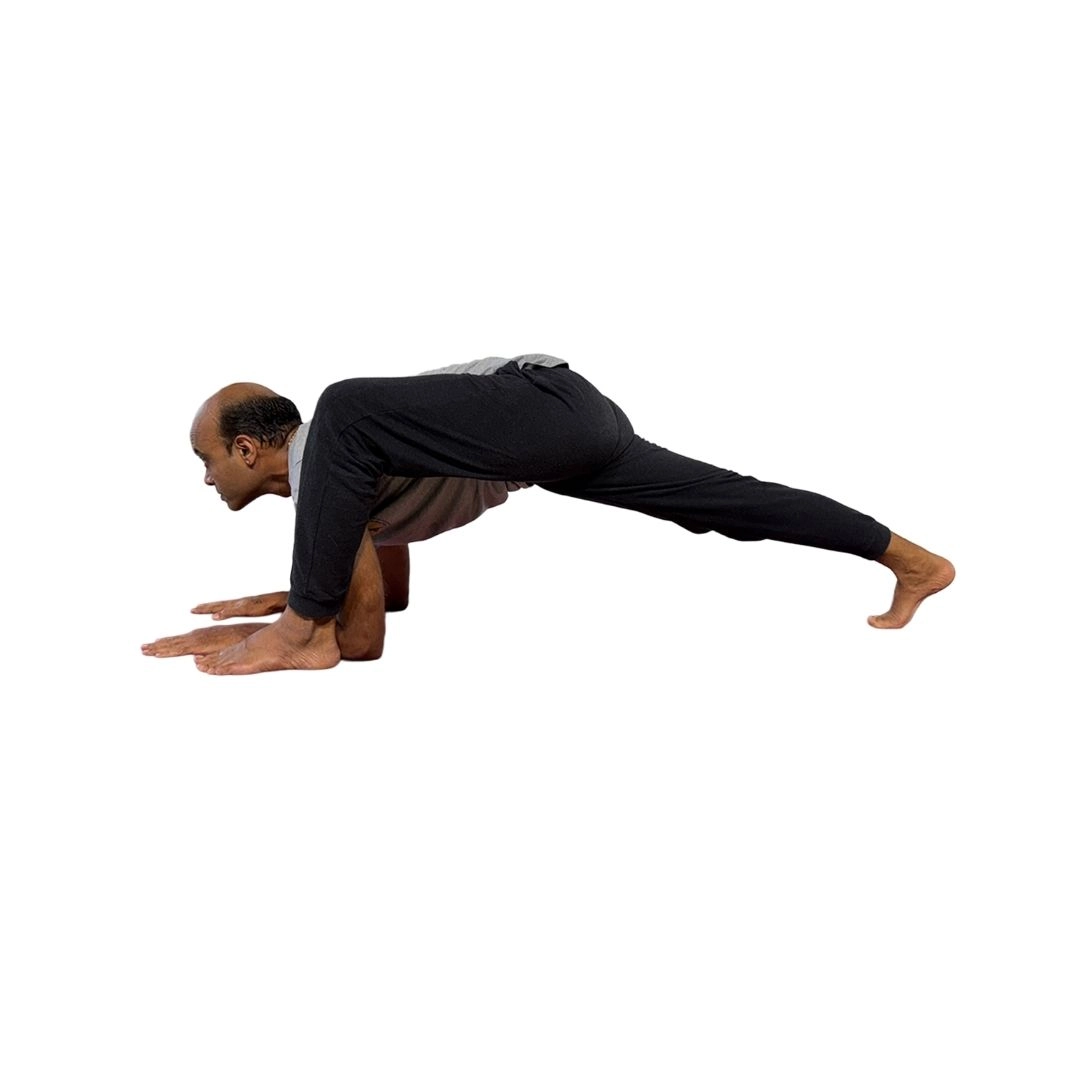
Utthan Pristhasana (उत्थान पृष्ठासन), or Lizard Pose, is a deep hip-opening yoga posture. The name comes from the Sanskrit words “utthana” (stretched out), “pristha” (back), and “asana” (posture). The pose gets its English name, Lizard Pose, because the body’s low, wide stance with the forearms on the floor resembles a lizard crawling.
How to do Utthan Pristhasana
Benefits of Utthan Pristhasana
- Deep Hip Opener:
Utthan Pristhasana is one of the best poses for opening the hips, targeting the hip flexors, groin, and glutes. - Stretches and Strengthens:
It stretches the hamstrings, quadriceps, and inner thighs while strengthening the muscles of the core, shoulders, and back. - Releases Tension:
The deep stretch in the hips can help release physical and emotional tension often stored in this area, which can also alleviate lower back discomfort.
- Improves Digestion:
The pose can stimulate and massage the abdominal organs, which may improve digestion. - Calms the Mind:
The combination of a deep stretch and focused breathing can help calm the nervous system and relieve stress.
Contraindications of Utthan Pristhasana
Avoid or modify this pose if you have:
- Injury or Surgery:
Individuals with injuries to the hips, knees, ankles, wrists, shoulders, or spine should avoid this pose. This also includes those recovering from recent surgery in these areas. - Chronic Pain:
If you experience severe or chronic pain in your lower back, knees, or hips, it’s best to consult a doctor or a qualified yoga instructor before attempting this pose.
- High Blood Pressure or Heart Conditions:
The intensity of the pose may be too much for some individuals with these conditions. - Sciatica:
People with sciatica should be cautious and may need to avoid this pose as it can put pressure on the sciatic nerve.
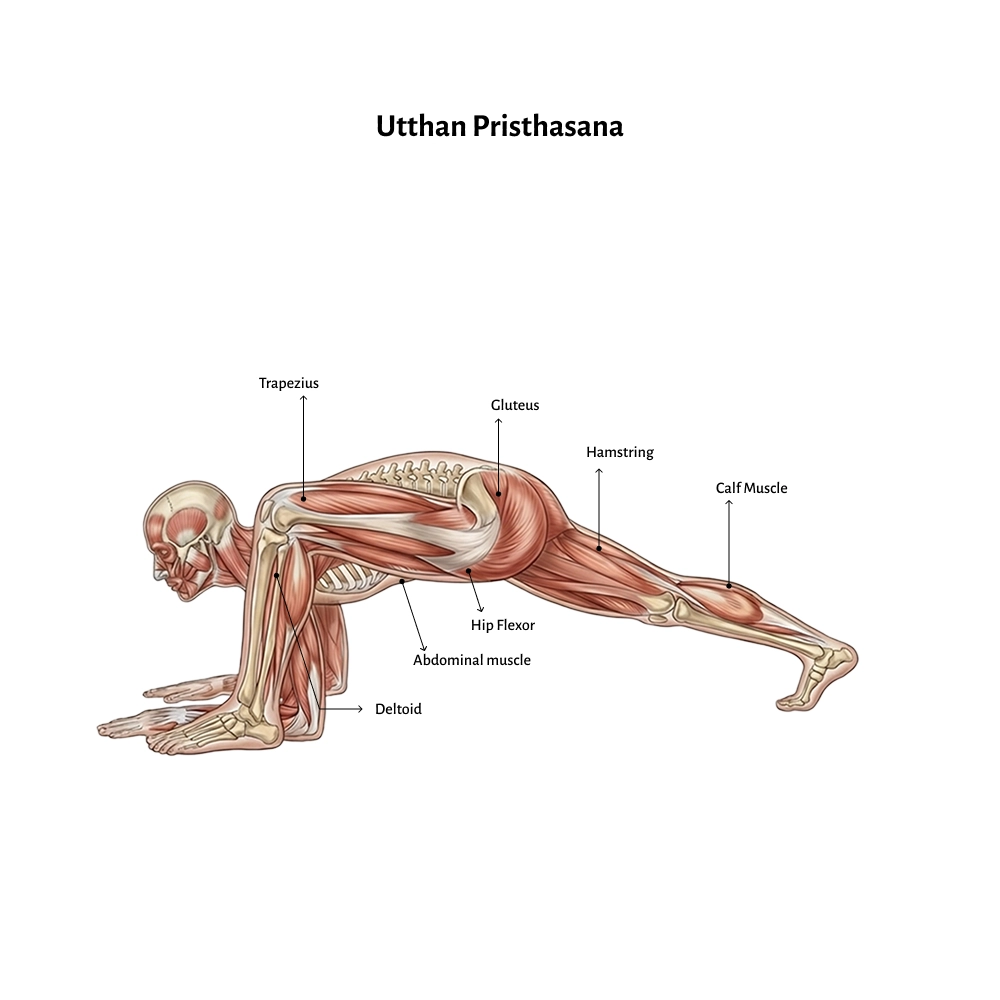
Anatomy (Muscles involved)
This pose engages a complex network of muscles and joints:
Hip Flexors:
The psoas muscle and other hip flexors on the front of the back leg are deeply stretched.
Hamstrings and Quadriceps:
The muscles on the back of the front thigh (hamstrings) and the front of the thigh (quadriceps) are stretched and strengthened.
Glutes:
The gluteal muscles are stretched and toned.
Groin (Adductors):
The inner thigh muscles are stretched, improving flexibility in the groin area.
Core:
The abdominal muscles are engaged to stabilize the body.
Shoulders and Arms:
The forearms and shoulders are engaged to support the upper body.