Duty, Action, and the Conflict in Between
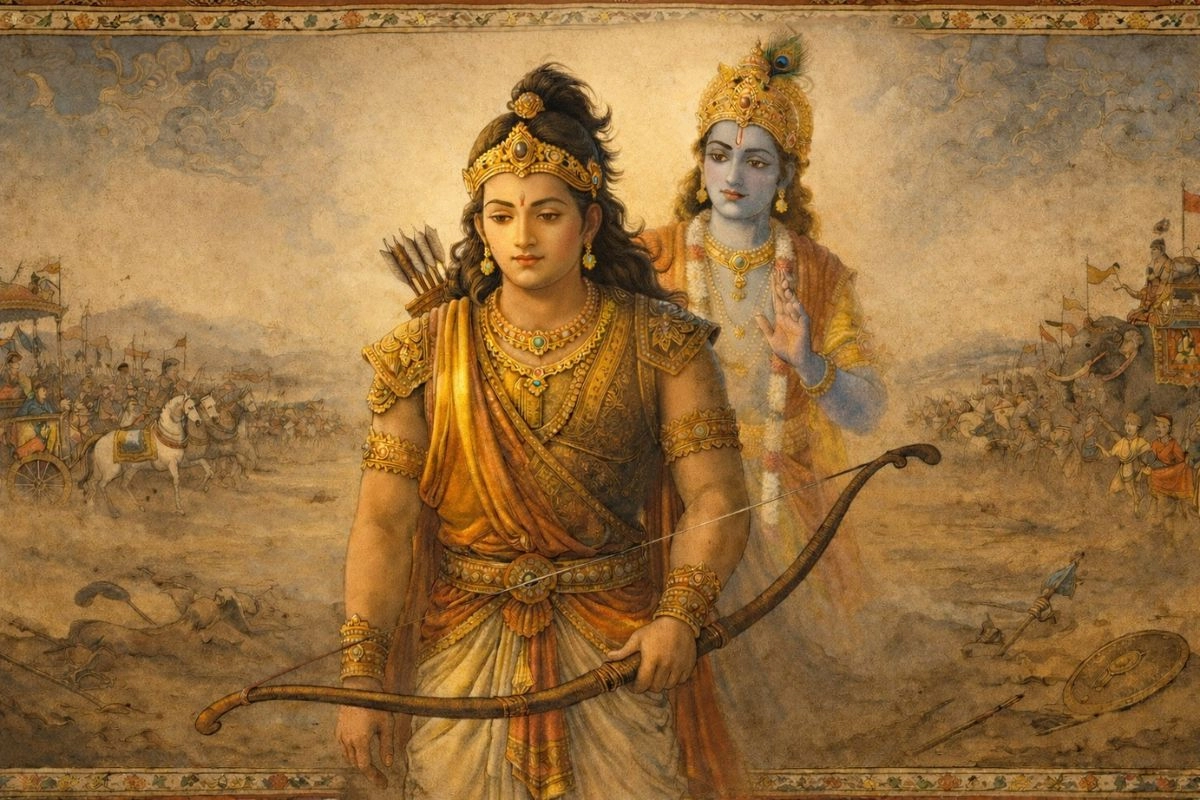
Arjuna knew what was required of him. He was a warrior, the cause was just, and the battle was legitimate. None of it helped. When he looked across and saw his own teachers and family on the other side, he could not do it. He put his bow down.
This is not a story about someone who did not know his duty. It is a story about someone who knew it and still found himself unable to act — because everything had become too personal. The action and what it would cost him had become the same thing in his mind, and he could not separate them.
That feeling is not limited to battlefields or ancient texts. It shows up in ordinary situations where what you are supposed to do and what you want to do stop pointing in the same direction. When one duty pulls against another. When acting rightly means giving something up that matters to you.
This month we look at what the Gita offers in response — karma-yoga, the practice of doing what is yours to do without treating the result as something you are owed. Not an abstract idea, but something that applies to how you handle a difficult conversation, how you respond when your effort goes unrecognised, how you act when no one is watching and there is nothing in it for you. We draw on Sant Jnaneshwar’s Jnaneshwari, which does not make any of this easier than it actually is.
The question at the centre of it is not complicated, even if living it takes some doing: can you do what the moment requires without needing it to go a particular way?
Om Tat Sat.
Cognitive Distillation through Vedantic Inquiry
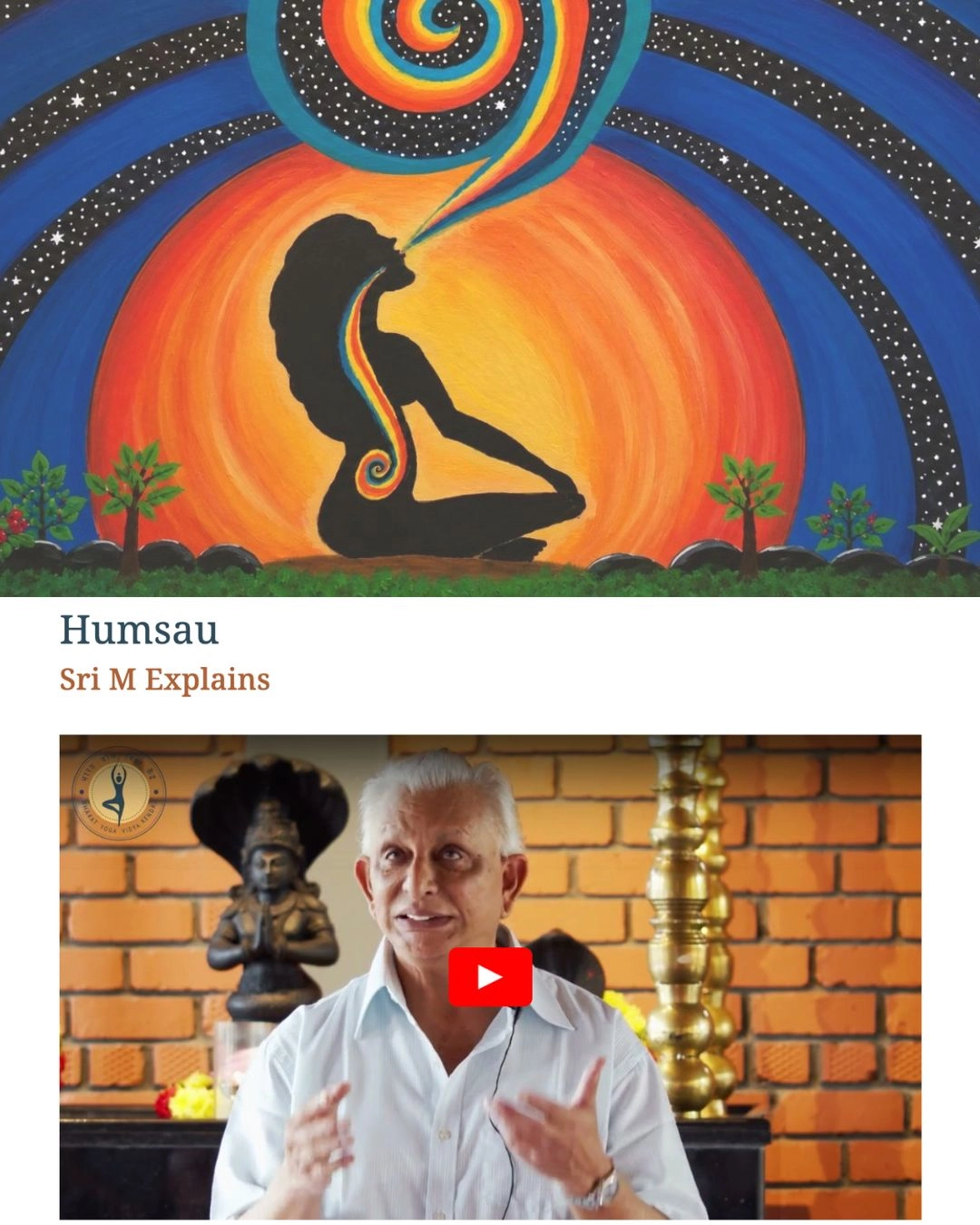
Sri M Explains
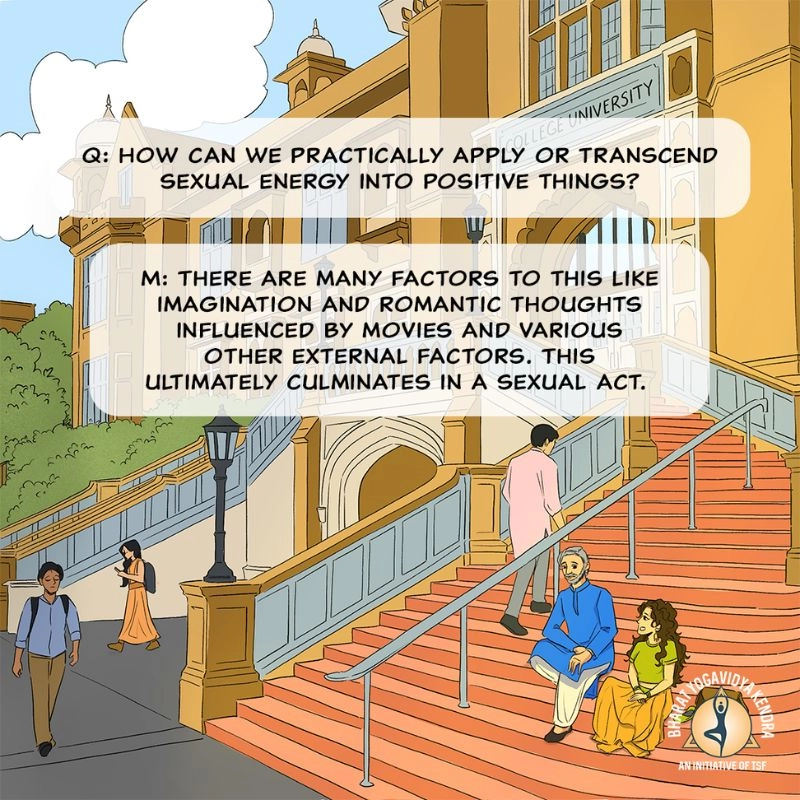
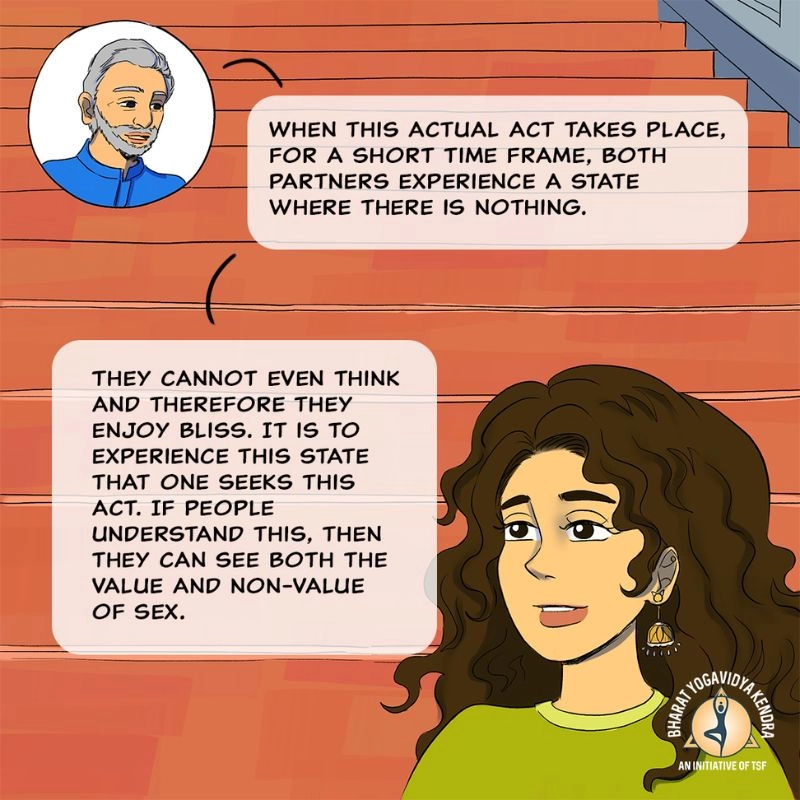
Talk with M
BLOG POST
Cultivating Evenness of Mind Amidst Success and Failure

Duty, Action, and the Conflict in Between
Near the beginning of the Bhagavad Gita, Arjuna looks across the battlefield and sees his teachers, his cousins, his grandfather. He does not reach for an arrow. He puts his bow down and tells Krishna he cannot do this. What kind of victory, he says, is worth building on the bodies of the people you love.
That is not a coward speaking. That is someone whose whole framework for what is right has stopped working at once.
Most of us will not stand between two armies. But that moment of paralysis — knowing what you are supposed to do and finding you cannot make yourself do it — is not rare. It comes when being honest with someone means hurting them. When one loyalty directly contradicts another. When you have done what was required and have nothing to show for it, and you have started wondering why you bother. The mind gets very noisy in these moments and very unhelpful.
The Gita does not brush past any of this. It does not tell Arjuna to harden up. It takes his question seriously, and what comes out of it — karma-yoga — is the teaching this month.
—
Sant Jnaneshwar wrote his commentary on the Gita, the Jnaneshwari, when he was about sixteen. It is not a scholar’s text. It is written by someone who understood the Gita from experience, and when he comes to this scene, he notices something worth pausing on: Arjuna is not suffering because of anything that has happened yet. The battle has not started. No one has been harmed. The suffering is entirely in his own mind, in the anticipation, in the attachment to how things should turn out.
He wants to act rightly. He also wants the people he loves to survive. Both of these are real. But they are pointed at different things, and because he is gripping both, he cannot move.
This is not a flaw in him. It is what happens when you care about more than one thing and cannot see clearly which one to act from.
What Jnaneshwar points to is that the trouble is not the caring itself. The trouble is that the caring has turned into ownership. My teacher. My family. My grandfather. He has claimed them, and now any action that puts what he has claimed at risk feels like it puts him at risk. This is ahamkara — the “I”-sense we looked at last month — doing what it always does: taking whatever passes through and stamping it as mine. Once that happens, loss stops being just loss. It becomes personal. And personal loss makes it almost impossible to think clearly about what to do.
—
Krishna does not tell Arjuna to stop feeling. That reading of the Gita is wrong, and it flattens the whole teaching.
What Krishna says, and what Jnaneshwar unpacks at length, is about where action comes from and what you do with it once it is done.
Karma-yoga means doing what belongs to you — your dharma, the action that fits your situation and your role — without treating the result as something owed to you. You act, and then you do not stand waiting to collect. The action is not a transaction. You do it because it is what is required, not because you have calculated what you will get in return, and when it is finished, you let it finish.
Jnaneshwar uses an image here: a lamp burning in a room with no draught. The flame does not flicker or lean. It burns without being pulled in any direction. That is what this kind of action looks like. Not cold. Not blank. But not at the mercy of every shift in what you want the outcome to be.
This is genuinely hard to do, because wanting a particular result is usually why we act at all. We do things because we want recognition, safety, fairness, to be loved. Ask someone to act without any of that driving it, and it can feel like pulling the floor out from under the action. But karma-yoga is not asking for indifference. It is asking you to do the thing completely, with full effort, and then not make the result your property.
Arjuna’s difficulty was not that the fight was unjust. His difficulty was that he had turned the fight into something about him — his grief, his image, what it would cost him personally. When Krishna asks him to set all of that aside and fulfil his role because that is what the moment requires, it is not a small request. He is asking Arjuna to act without the action being about himself.
—
Last month we went into chitta — the part of the mind that holds every impression, every habitual reaction, every old pattern. When we act from wanting, when we act to secure a result or protect a self-image, that action leaves something in chitta. The wanting does not disappear when the action ends. It goes in and sits there.
This is why people with no obvious external problems still cannot settle. The accumulation is inside, not outside. Old resentments surface in situations that have nothing to do with their origin. The same reactions keep coming up because the impressions feeding them have never been cleaned out.
When you act without that grasping — when the action is done and you release the outcome — nothing new is deposited. Over time, what is already stored loses force. Not because anything was extracted or forced out, but because nothing is being added to it.
Jnaneshwar makes this connection directly. Karma-yoga does not produce jnana — knowledge, understanding — on its own. What it does is make the mind capable of it. A mind that has spent years calculating what it will get from every action, protecting its image, keeping score, is not a mind that can see clearly. When you stop acting from that place, the noise in the mind reduces. Buddhi — discernment — gets room to work. Things that were previously unclear become clearer, not because you studied harder, but because the mental weather changed.
—
Jnaneshwar is honest about why this is difficult. Karma-yoga is not hard because the actions themselves are difficult. It is hard because the ego does not want to release what it considers its due.
We do something kind and find ourselves watching to see if it will be acknowledged. We exercise restraint in an argument and wait for that to be noticed too. We do what is right when it costs us something, and in some part of the mind we are recording the cost, expecting it to be repaid at some point. None of this is deliberate. It is just how ahamkara operates — it is always keeping accounts.
The practice is not to pretend the accounting is not happening. It is to see that it is happening, and act rightly anyway, without letting that ledger decide whether you show up properly.
Sir put it this way once, and it has stayed: the test is not how you act when things work out. It is what you do when they do not. When the effort goes unnoticed. When you acted well and it did not matter to anyone. When doing the right thing cost you and you were not thanked for it. That is where this either holds or it does not.
—
The situations this teaching is for are not extraordinary.
Someone needs help with something that will take your time and benefit only them. A conversation at home requires you to say something true that will be uncomfortable. You do careful work that no one acknowledges. You are asked to accept responsibility for something that was not entirely your fault.
In each of these, the ego knows what it wants. Credit. Fairness. Some return on the investment. These are not unreasonable things to want. But if getting them is what determines whether you act decently, then you are governed by whether the world cooperates — and the world is not reliable about that.
The question this practice keeps returning to is not: what do I want from this? It is: what does this situation actually ask of me? Do that. Stop carrying it around after it is done.
Over months of this — not perfectly, but honestly — the mind does become quieter. Not through any dramatic change. Because you have stopped feeding the restlessness new reasons to keep going.
—
The tradition says that behind all the action and conflict and effort, the witness is already there — sakshi, aware and unmoved. Karma-yoga does not produce that. Nothing produces it. But a mind that has practised acting without immediately claiming everything that passes through it is a mind that can, in time, become still enough to notice what was always there.
Om Tat Sat.
BOOK REVIEW
Tripura Rahasya
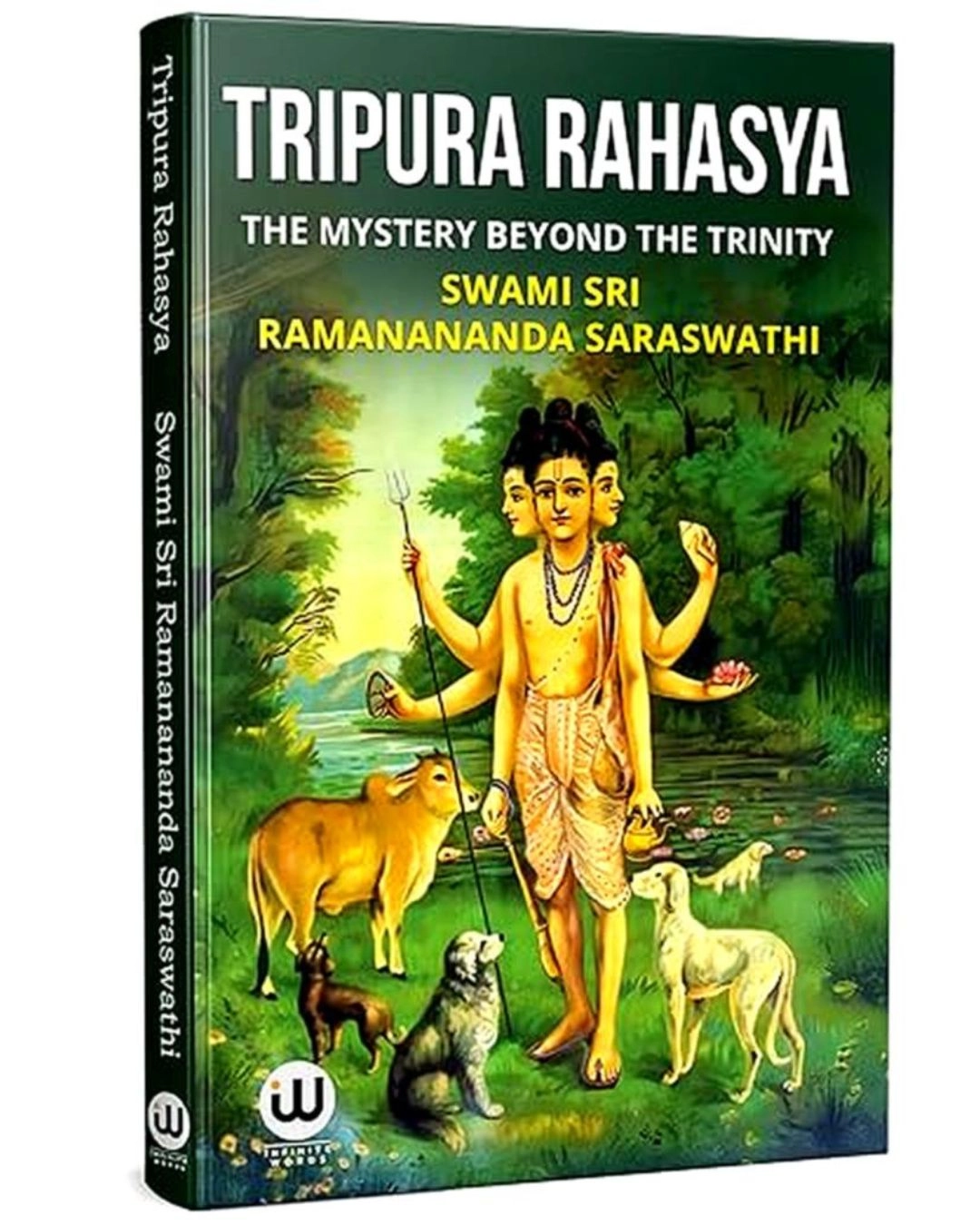
Tripura Rahasya, the mystery beyond the trinity. The name itself denotes the core matter of this book: the fourth state of mind, the Supreme consciousness. It is a treasure chest of knowledge from the personal experiences of Lord Dattatreya. It consists of a roadmap for a seeker that needs the essence of Yoga, Tantra and Vedanta, all in one compact and beautifully woven text. A word of warning; at times it may feel like climbing a tree with you feet facing upward, but the view from up there is so beautiful and induces the reader into a meditative mood. And that is even if you only understand 1% of the text.
From the beginning, Lord Dattatreya starts off with stories of people that started stepping onto the path of Self-discovery. The story of Hemachuda and Hemalekha is a perfect illustration of a relationship of a man and a woman that challenge each other, but for the good of the other; Hemalekha being an enlightened daughter of a heavenly damsel, brought up by a sage, and Hemachuda being a prince of a wealthy kingdom. With the tactful and elegant way of teaching a puffed up prince, Hemalekha, through her skillful behavior and questioning, leads her beloved husband to self-inquiry, dispassion towards physical intimacy and sensual pleasures and eventually through the sequential stages of enlightenment. It is clear from here at what point one should start practicing worshiping of the Supreme Reality. Its vivid descriptions make the reader experience the meaning behind the text thus clearing doubts and gently pushing one to the next phase of development.
Another story illustrates how the mind traps itself by associating itself with ignorance and how that projects onto its habits and emotions. Here the role of the Cosmic Intelligence and meditation is emphasized and how one can slowly free oneself from greed, anger and attachment.
A story of a king being taken into an astral world by a young yogi illustrates the secrets of time and space and explains the mechanics behind relieving oneself from sadness.
In this part of the book, a highlight for me is the emphasis of how prayer and karma works. It says that our actions that are done in the world will reap their fruit. But the longing of a person who is asking to receive whatever is the best and what one truly needs and constantly abides in this intimate prayer with the Supreme Being, is bound to be fulfilled instantaneously.
Abstract explanations of the Cosmic Intelligence, elaborate description of what samadhi is and what it is not, the four states of consciousness including a crisp explanation of the difference between deep sleep and turiya, and how we are constantly slipping in and out of samadhi, unknowingly, are included.
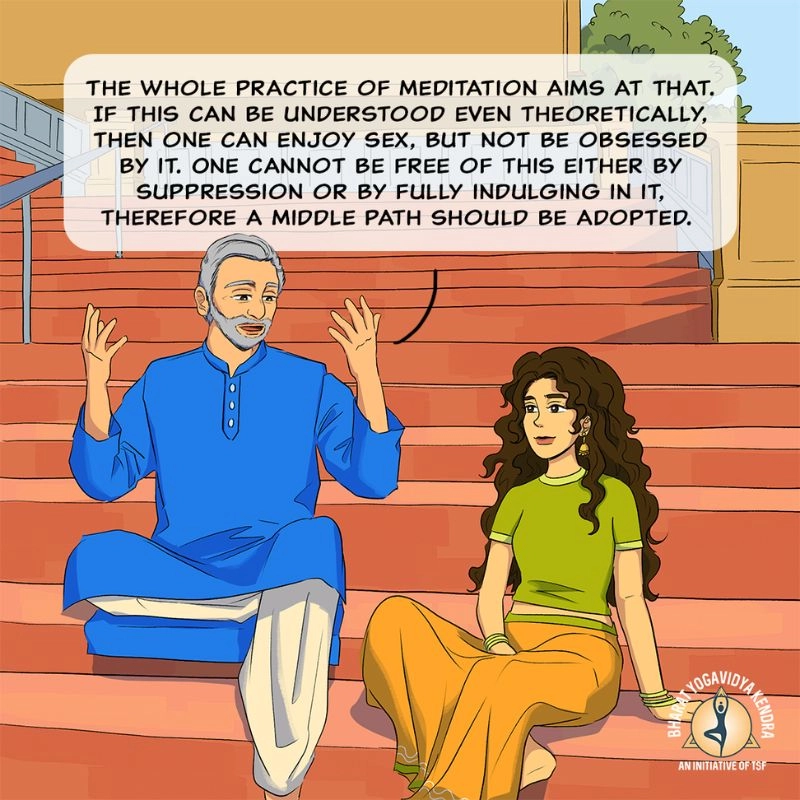
In a recent satsang, Sri M elaborated upon the importance of keeping ones mind pure through the practices of Yoga. It doesn’t matter which philosophy you are inclined to, dvaita, vashihthadvaita or advaita, to understand any one of it, ones mind must remain pure. A consequent question about Tripura Rahasya came up. The book describes three different types of sages, saying: “Sages with subtle and clear intellect have not considered it worthwhile to eradicate their desire, etc., by forcing other thoughts to take their place, because desires do not obstruct realization”. Sri M explains: “what they meant was that it is ok to have desires, as long as the desire for jnana remains to be the most important one” and added “I like to enjoy tasting the sugar, but I don’t become the sugar”. A key to understanding this is: “sages with suble and clear intellect” – purification with yogic techniques makes one capable of experienceing this statement.
Once one touches jnana, the two latent seeds of karma burn, but the prarabdha, or the blossoming karma, still has to be reaped, though it is known how to be handled by jivanamuktas, the ones freed while alive. The chief characteristic of a jnani is, that one is never tired of talking about and explaining the matters of Self-realisation and that he has limitless love for all beings.
A story of warning about the futility of theory and the resulting pride of knowledge, which is actually empty without experience, is illustrated on an example of a cursed brahmin, who was rescued by a jivanamukta through inquiry. An elaboration on different types of aspirants and their karma is included.
A beautiful thing about the dialogue between Lord Dattatreya and Parasurama is, that is constantly repeats itself and summarizes itself in different ways, so it accommodates many angles of understanding and reaffirms its message.
All in all this is a text that, if understood properly, clears the hurdles of the mind and helps one progress spiritually. From my own experience, focusing and understanding the message is itself an experience of light and blessing. Always after reading, my mind came to be in a meditative and quiet state. I started with reading half a chapter a day, because I just could not get further; the chapter was digested over night, the next day starting where I left off. The third day, when I was completely confused about what I just read, was a day where I read the chapter all in one go, this time making more sense of what it was about. Don’t worry, there is an extra appendix chapter for the purely philosophical portions of the book, shining light on its meaning. Meditating for 5 minutes after each read help a lot, and asking Lord Dattatreya to guide you in its understanding as well! I was fortunate to be able to study this text at such a studious and solitary place, the Sacred Grove, in Chowdepalle, which deepened my focus. In the first chapter, there is a disclaimer that “One who can not apprehend the Truth even after hearing this, must be dismissed as a silly fool to be ranked among the insentient and accursed of God; Siva himself cannot make such a one gain wisdom.” This is a great challenge to the intellectual and the courageous. But even if one is a fool, that is great! because there is hope of understanding! Do not walk into this text with an attitude that you know what you are reading. The statement may help for one to have the proper frame of mind to actually absorb its teaching.
The most wonderful and hope-giving message is to be found in the Vidya Gita, where the Absolute Intelligence is summoned by the great gods and sages, where there is a discussion of ‘what the superior way to attain Jnana is’. The Supreme Intelligence answers: “The chief requisite is one-pointed devotion to God.”, “No other requisite is needed if the longing for emancipation is intense and unwavering… That is the sole requisite and nothing else.” So be it!
YOGA GUIDE
Reframing the Mundane: Every Task as a Yogic Practice
The crisis of duty faced by Arjuna in the Bhagavad Gita highlights the profound inner conflict between attachment and righteous action. Arjuna struggles with his duty as a warrior to fight in the battle versus his emotional attachments to his family and friends on the opposing side. This dilemma reflects the universal human conflict between personal desires and ethical responsibilities.
Karma-yoga, or the yoga of selfless action, teaches performing one’s duty without attachment to the results or egoistic desires. By focusing on skillful, detached action, karma-yoga purifies the mind, reduces inner turmoil, and prepares the practitioner for jñāna (spiritual knowledge or wisdom). This purified state enables clear insight and realization of the self beyond dualities.
Below is a focused yoga guide to support this journey, incorporating a pranayama and an asana that cultivate mental clarity, balance, and detachment.
Yoga Guide for Duty, Action, and Inner Conflict
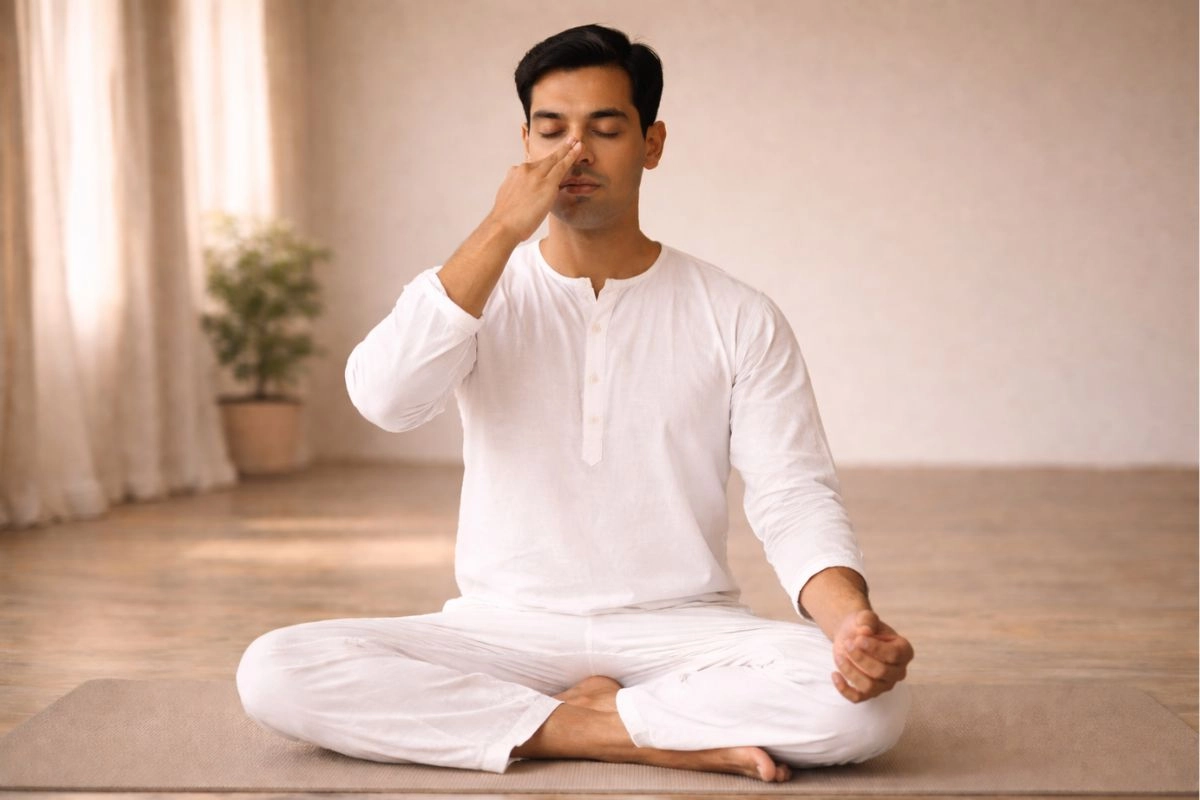
Pranayama: Nadi Shodhana (Alternate Nostril Breathing)
Purpose:
Nadi Shodhana balances the nervous system, calms the mind, and harmonizes the flow of prana (vital energy). This pranayama helps reduce mental agitation caused by inner conflict and fosters clarity needed for detached, righteous action.
How to Practice:
- Sit comfortably with a straight spine, in a meditative posture (e.g., Sukhasana or Padmasana).
- Use the right thumb to close the right nostril. Inhale slowly and deeply through the left nostril.
- Close the left nostril with the ring finger, release the right nostril, and exhale slowly through the right nostril.
- Inhale through the right nostril, then close it with the thumb, release the left nostril, and exhale through the left nostril.
- This completes one round. Practice 8-10 rounds, maintaining a slow, smooth breath.
- Focus on the breath flow and cultivate a sense of inner balance and detachment.
Asana: Virabhadrasana II (Warrior II Pose)

Purpose:
Virabhadrasana II embodies the spirit of righteous action and courage, symbolizing Arjuna’s warrior stance. It strengthens the legs and core, improves focus, and cultivates groundedness and determination without attachment to outcome.
How to Practice:
- Stand with feet wide apart, about 3-4 feet. Turn your right foot out 90 degrees and left foot slightly in.
- Bend the right knee directly over the ankle, keeping the left leg straight and strong.
- Extend your arms parallel to the floor, right arm forward and left arm back, palms down.
- Gaze over the right hand, keeping shoulders relaxed and chest open.
- Hold for 30 seconds to 1 minute, breathing steadily with awareness of strength and calm resolve.
- Repeat on the other side.
By regularly practicing Nadi Shodhana pranayama and Virabhadrasana II, one cultivates a balanced mind and steady body, essential for skillful, detached action. This prepares the practitioner to face inner conflicts with clarity and perform their duties without ego or attachment, embodying the essence of karma-yoga. Over time, this purification of mind leads to readiness for jñāna, the profound realization of self and truth beyond dualities.
This integrated approach supports the transformation from inner turmoil to enlightened action, just as Arjuna’s journey in the Bhagavad Gita illustrates.
YOGA RESOURCE
The Power of the Pause: Finding Clarity in the Breath

Many spiritual teachers frame the “conflict between duty and action” as an inner clash between
what the mind wants and what dharma calls for. They do not ask you to choose between duty and action,
but to refine both so that action becomes dharmaful and wise.
Below are the main lines of guidance from enlightened teachers and gurus:
- Clarify dharma vs. desireMost Indian gurus distinguish between:
- Dharma (duty): Your proper role in family, society, and situation
(e.g., parent, teacher, citizen) performed with integrity. - Ego-driven action: Activity driven by fear, greed, status, or resentment,
even if it looks busy or “spiritual.”
Conflict arises when desire clashes with duty. The antidote is self-honesty:
“Is this resistance to duty really wisdom, or is it laziness, fear, or hurt?” - Dharma (duty): Your proper role in family, society, and situation
- Perform duty without attachmentSpiritual elders consistently teach karma yoga: do your duty, but loosen your attachment
to results, praise, or resentment about how you are treated.- Perform your duty with evenness of mind.
- Treat success and failure alike; this is yoga.
- Offer actions as seva (selfless service) or yajna (offering).
The conflict softens because the ego is not the real doer; the Self is the witness.
- Cultivate inner stillness
- Pause, breathe, and allow inner space to open.
- Right action becomes clearer in stillness.
- Practice meditation and a sattvik lifestyle (yoga, pranayama, simple habits).
- Surrender, not escapeTeachers warn against using spirituality to avoid duty.
- Do your duty with clarity and skill.
- Offer the fruits mentally to the Divine or highest good.
- Accept what cannot be changed.
- Release what is not yours to carry.
The conflict becomes about how you act: ego-driven or self-aware.
- Practical steps you can use
- Pause and reflect before reacting.
- Reframe duty as yoga.
- Speak with clarity and compassion (ahimsa and satya).
- Let go of inner grievances through forgiveness.
COMMUNITY COLUMN
The Gift of Seva: Softening the Ego through Offering
It is often said that “duty is God” and “work is worship,” Rights and duties are two sides of the same coin. For every right an individual enjoys, they have a corresponding duty. It acts as a moral framework that guides behaviour, encouraging responsibility, integrity, and discipline in daily life
Krishna states in the Bhagavad Gita (3.5) that no one can remain inactive even for a moment, as all beings are compelled to act by the three gunas (modes) of material nature.
The three gunas (fundamental qualities of nature) are Sattva (balance/purity), Rajas (activity/passion), and Tamas (inertia/darkness). While sattva is the goal, Rajasic activity is often used as a bridge to transform Tamasic inertia into Sattvic clarity.
When a person is stuck in laziness or depression (Tamas), immediate transition to calmness (Sattva) is difficult. Rajasic action driven by ego (desire for results) or purposeful work—is needed to break the inertia.
When rajas is directed towards service, duty (dharma), or spiritual practice, it becomes sattvic karma—action performed without attachment to the result. The ultimate goal in yoga is to go beyond all three gunas (Trigunatita), using sattva to transcend both rajas and tamas.
According to Saint Jnaneshwar (Dnyaneshwar), Action is not a barrier to spiritual liberation but a vital, sacred instrument for achieving it when performed in the right spirit. Unlike philosophies that promote abandoning the world, Jnaneshwar encouraged staying in family life, performing worldly obligations, and finding God within it. As a key figure in the Varkari tradition, he revived the concept of Karma
Yoga—performing duties without ego or desire for results—as a direct path to self-realization.
Working with the ego “I am the doer” (or Ahankara) creates a false sense of ownership over actions. Because you believe you control the outcome, failure causes intense disappointment and success brings fear of losing it, creating a roller coaster of emotions. Identification with “doer ship” trap us in the cycle of cause and effect, leading to the accumulation of both good and bad karma.
Vedanta teaches that this “doer” ego is a form of ignorance (avidya), and that true freedom comes when you realize the Self as the “witness” rather than the Doer. To expect nothing from the deeds/duty is the Nishkamya Karma.
When you are not the doer, you no longer need to take credit for successes (pride) or blame for failures (guilt/shame).Surrendering the need to control the outcomes brings immense relief and peace, as you trust in a higher plan. Non-doer ship does not mean sitting idle. It means performing your duties (“Karmanyevadhikaraste”) with full dedication, but without attachment to the results.
While speaking about the sacred Shiv Panchakshari Mantra, SRI M was telling that some people say “Shiva Shiva “irrespective of whatever happens in life. If something good happens they surrender to the Lord saying “Shiva Shiva “If something adverse happens they surrender that too taking it as a lesson taught by the Lord. In course of time this habit makes one a witness rather than a Doer. This idea is a shift from ego-centric doing to divine-centric living, where life is seen as a happening rather than a striving. You act, but you know you are not the doer. Then action becomes a “joyful celebration of life energy,”
Krishna urges, “Do your duty, leave the rest to me”. By doing so, a person avoids sin
According to Jnaneshwar, action must be combined with:
Detachment: Not craving the outcome of the effort,
Dedication: Offering all acts to God
Humility: Performing duties without the pride of being the “doer”.
Dnyaneshwar’s commentary emphasizes that this inner war is universal, similar to Arjun’s struggle on the battlefield, and can only be won by rising above selfish desires and realizing one’s true nature.
In the Bhagavad Gita, Lord Krishna addresses the conflict of the mind not as a passing emotion, but as a fundamental struggle between the lower self (senses) and the higher self (intellect). Krishna describes the mind as restless, turbulent, obstinate, and very strong—harder to control than the wind.
Krishna describes the chain reaction of an uncontrolled mind: thinking of objects causes attachment, attachment breeds desire, and unfulfilled desire creates anger. Anger leads to delusion, which clouds memory, destroys intelligence, and ultimately causes one’s ruin (BG 2.62-63) . Though the mind is difficult to tame, Krishna promises that by consistent, patient practice (abhyasa) and non attachment (vairagya), it can be controlled “Positive always overcomes the negative”. By cultivating inner strength, discrimination, and a balanced mind through regular meditation and selfless action, the aspirant can resolve this conflict and attain peace”. For one who has conquered the mind, the mind is the best friend; but for one who has failed to do so, the mind will remain the greatest enemy”
COMMUNITY COLUMN
Journey of a Satsangi
Part 3: Train to Tirupati
Hello, in Part 2 of Journey of a Satsangis I spoke about how I learned about the Peepal Grove School (PGS) from Sri M’s book Apprenticed To A Himalayan Master and decided to contact them for potential volunteering opportunities. For those who haven’t read it yet, links to Part 1 and Part 2 of the journey can be found at the end of this article.
After learning about PGS, I was able to find their contact details from their website and nervously called the number provided. It was answered by a graceful female voice who turned out to be Sunanda, Sri M’s wife, who was at the time the principal of the school. I introduced myself briefly and I explained to her that I was hoping to volunteer at her school.
Sunanda: Well, what can you do?
Sam: Well, I’m very open to do anything, I have an education in computer engineering so I could tutor students in math or science or even run chess lessons as I played competitively while I was in high school
Sunanda: Actually, we have been wanting to start chess lessons at our school and haven’t been able to find a teacher. Why don’t you come visit our school and if we like you and you like the school maybe we can work something out.
I was thrilled at the positive reception! I agreed to visit the school and Sunanda connected me with Viraj, who was the school coordinator at the time (he is now the principal at the school and I remain close to him and his family) to work out the details. Viraj let me know that the school was currently closed for winter break so asked me to visit around Christmas time when he and some other teachers and students would be back at the school. I agreed to visit PGS from December 20 – 23.

It was early December so I had a few weeks to fill before heading to PGS. I spoke to Raghul (who had, by then, become my de facto guide in India) about the good news and he let me know that a very famous temple, the Tirumala Venkateswara Temple was in Tirupati just 75 km away from PGS. I also learned that the Satsang Vidyalaya campus (which is where Sri M’s lives) was in Madanapalle and not too far from PGS as well. I decided to visit both the temple and the Satsang ashram before heading to PGS
Raghul convinced me to get the full India experience and take a train to Tirupati to visit the Tirumala temple. He even agreed to take a couple days off school and make the trek to Tirupati with me. Raghul helped me book a couple of sleeper seats for the train ride from Coimbatore to Tirupati and got his cousin to drop us off at the train station. The train ride from Coimbatore to Tirupati was ~10hrs, and being India, the train itself was 6 hrs late. Rather than get frustrated, I remembered my promise to accept all parts of the journey and spent some time speaking with my fellow commuters and learning about their journeys.
Most of the people I met were workers who spent their days in the city, often returning to their villages only occasionally to be with their families. I was deeply moved to learn that many of them took on demanding labour jobs to support loved ones they might only see a few times a year. It was a humbling and eye-opening experience—one that gave me a much deeper appreciation for the life I had known in Canada.
The train carried us gently across the rolling landscape of India, and somewhere along the way, I found myself completely taken in by the beauty of the hills and countryside. I remember thanking Raghul for convincing me to take the train—it turned out to be one of those simple decisions that opens your eyes to something unforgettable.
We made frequent stops at small villages, where vendors would come right up to the windows of the train, offering freshly prepared food and local treats. There was something wonderfully alive about it all. Raghul and I happily shared a delicious chicken biryani, enjoying not just the meal, but the moment itself as the journey unfolded around us.
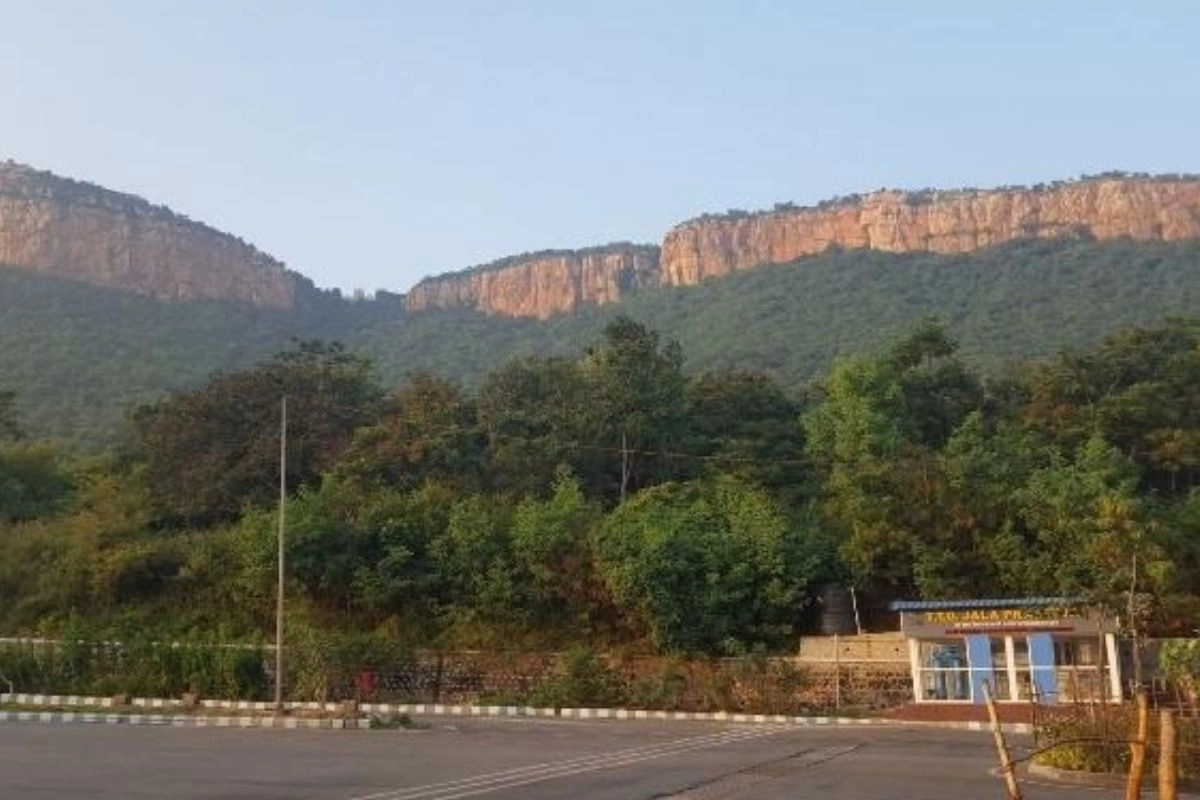
We finally arrived in Tirupati at ~2 a.m., a little later than planned due to the earlier delay. I was especially grateful to have Raghul with me—he was not only a great companion but he was also able to find an auto rickshaw for us to get to the hotel. I’m not sure how I would have managed without him!
After just a couple of hours of sleep, we were back up again, hoping to get an early start on securing tickets for the temple. By 5 a.m., we were already in line. After nearly four hours waiting in line, just as we were approaching the ticket booth, the tickets sold out.
Strangely, I didn’t feel too disappointed about missing out on the tickets. I learned that we could still visit the temple grounds, and at the time, I was more interested in meeting the people and hearing their stories than in seeing the inside of a temple.
By then, though, I had become somewhat of an expert at waiting in lines in India. I passed the time chatting with the people around me learning about their journeys. Some pilgrims had walked nearly 250 km (barefoot!) from Bangalore to reach Tirupati—and were planning to walk the final 20 km up the hill to the temple.
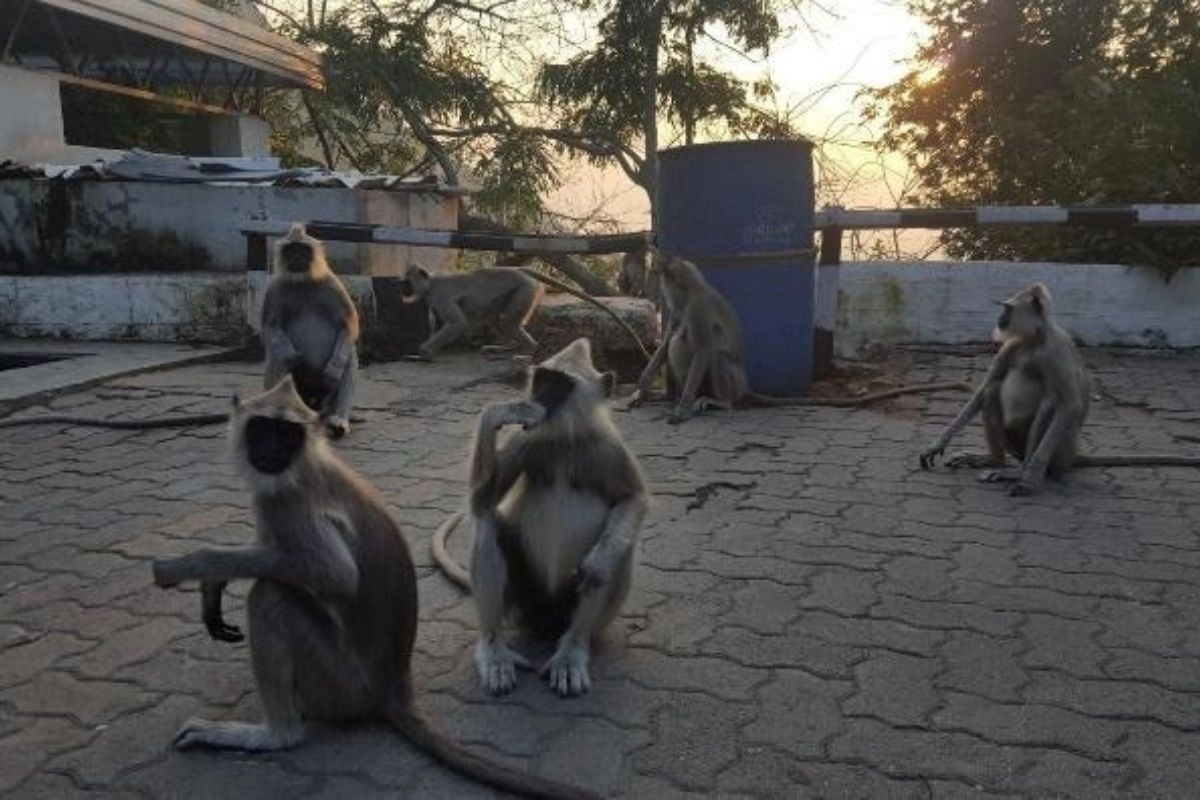
Unlike many of the pilgrims, I hired a car to drive Raghul and I up the hill to the Tirumala temple–I think hiking the 20 km uphill trek would have been the end of me. The drive up the hill was beautiful and as we wound our way up, we were treated to a sweeping panorama of Tirupati stretching out below us.
Raghul and I spent the day walking around the temple grounds and enjoying the festivities. I guess it was very apparent that I was a foreigner since people would stop by and ask me to take “selfies” with them. It was a great way for me to meet fellow travellers and hear their wonderful stories.
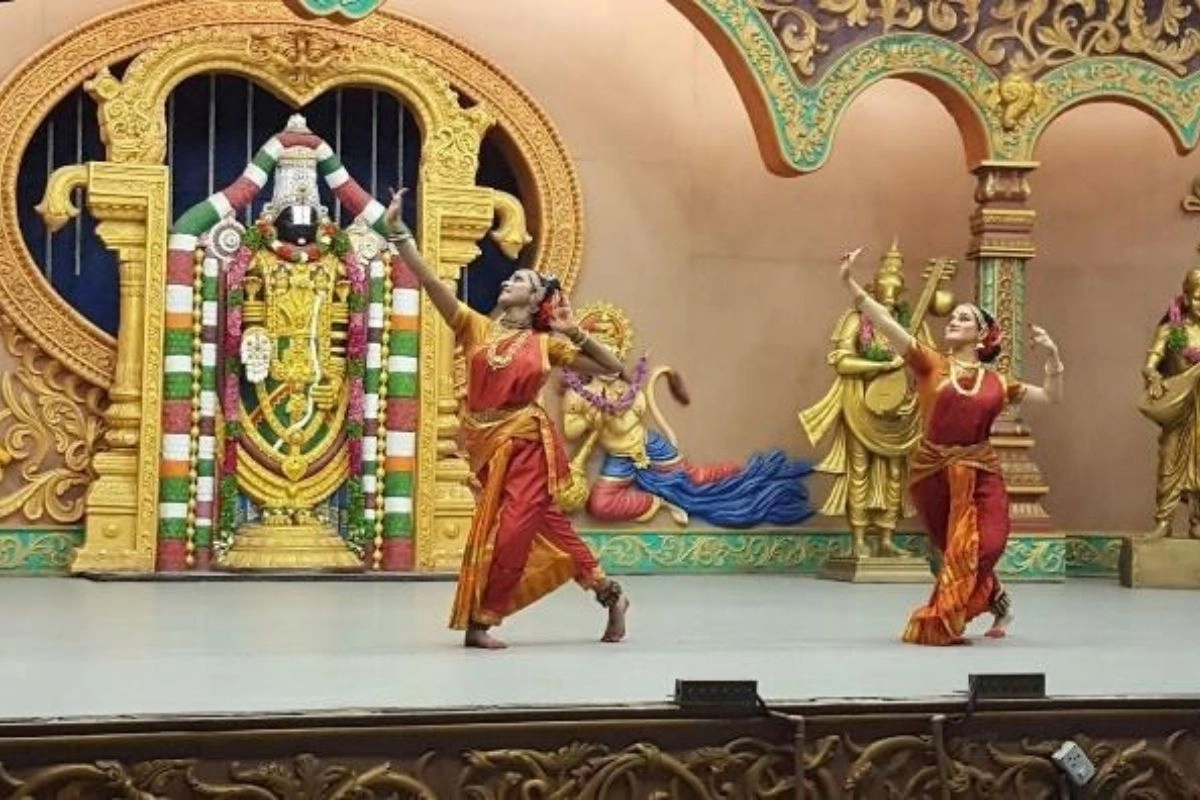
People travelled to the temple to make offerings (with many people shaving their hair as an offering) to Lord Venkateswara, an incarnation of Vishnu. I knew very little about the Indian gods at the time so it was more of a treat to interact with the devotees.
After spending a couple of days in Tirupati enjoying the energy of the temple, Raghul had to get back to Coimbatore for his studies and I wanted to visit the Satsang Vidyalaya campus before heading to PGS. I went to the bus station with Raghul to see him off and then booked a car to take me to Madanapalle to visit the Satsang campus for the first time.
To be continued…
Satsang is a Sanskrit term derived from sat (meaning truth) and sangha (meaning company/community) and refers to gathering with like-minded individuals, often with a guru, to listen to spiritual teachings aimed at elevating consciousness and fostering spiritual growth
Links to previous episodes:
Part 1: His name is M?
Part 2: 1st Impressions of India
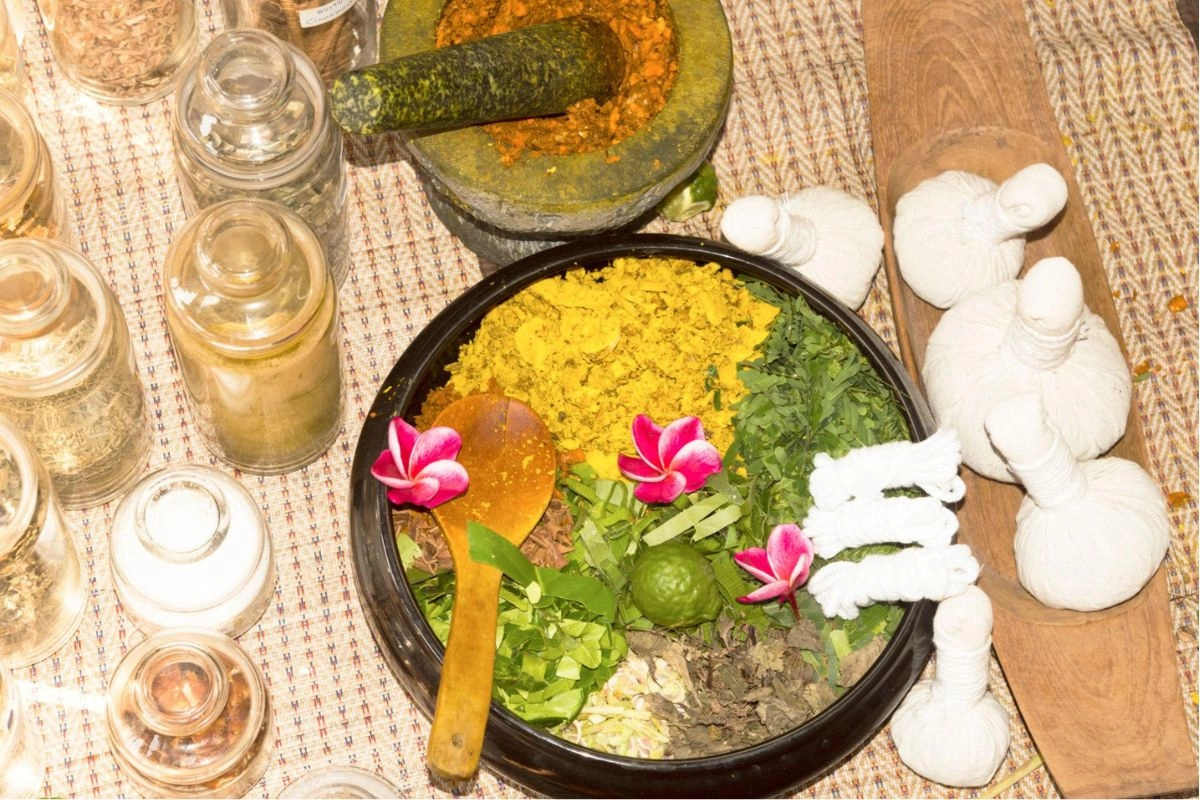
Ayurvedic Wisdom
Dharma, Karma and Prajnaparadha

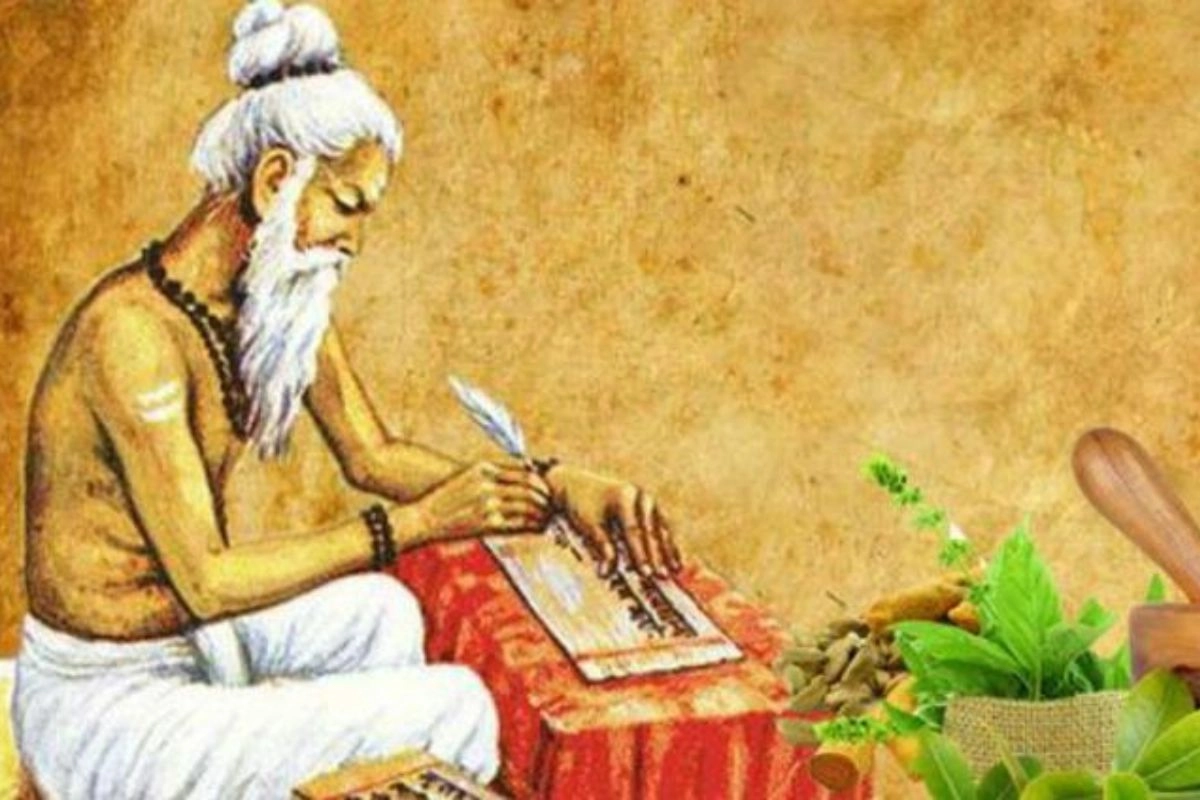
Based on the principles of Ayurveda, duty (Dharma), action (Karma), and inner conflict (Manasika Roga/Prajnaparadha) are intrinsically linked to holistic health, which is defined as a balance of body, mind, and spirit.
- Duty and Action (Dharma & Karma)
- Purusharthas (Aims of Life): Ayurveda outlines four goals of life,
of which Dharma (Duty/Righteousness) and Artha (Wealth) are vital for mental stability,
supported by Kama (Pleasure) and Moksha (Liberation). - Karma (Deeds): Ayurveda emphasizes “envy in action but not in results”.
Proper action (Satwika Karma) leads to health, while improper deeds lead to disease. - Sadvritta (Code of Conduct): This includes duty-oriented behaviours such as:
- Respecting teachers, elders, and gods.
- Being friendly to all creatures.
- Being tolerant, peaceful, and self-controlled.
- Purusharthas (Aims of Life): Ayurveda outlines four goals of life,
-
-
- Inner Conflict (Manasika Roga & Prajnaparadha)
- Prajnaparadha (Wisdom Crime): The main cause of inner conflict is
Prajnaparadha, defined as the lack of coordination between Dhi (intellect),
Dhriti (patience), and Smriti (memory). This leads to making wrong choices
against one’s own duty or nature (Prakriti). - Types of Conflicts:
- Attachment and Hatred (Raga/Dwesha): Conquering the roots
of attachment and hatred is considered essential for mental peace. - Manasika Roga (Psychic Disorders): Inner conflicts manifest
as mental diseases such as Chitta Udvega (Anxiety neurosis), Avasada (Depression),
and Atatvabhinivesham (Obsessive Disorders). - Emotional Doshic Imbalance: Suppression of emotions or improper
actions affects mental doshas (Rajas and Tamas), leading to psychological disturbances.
- Attachment and Hatred (Raga/Dwesha): Conquering the roots
- Management of Inner Conflict in Ayurveda
- Sattvavajaya Chikitsa: This is the Ayurvedic approach to psychotherapy,
focused on controlling the mind and overcoming negative emotions without immediate use of drugs. - Sadvritta (Code of Conduct): Practicing a disciplined, righteous lifestyle
is preventive against inner conflicts. - Yuktivyapashraya: Rational therapies including diet and medicine to balance
bodily doshas, which in turn stabilizes the mind. - Ayurveda views health not just as physical absence of disease, but as a state where a person
performs their duty (Dharma) through righteous action (Karma) while maintaining mental balance
(Sattva) by overcoming internal conflicts (Prajnaparadha).
- Sattvavajaya Chikitsa: This is the Ayurvedic approach to psychotherapy,
- Prajnaparadha (Wisdom Crime): The main cause of inner conflict is
TESTIMONIALS
Yoga Sadhana
Name of the participant – Vishal Verma
I got motivated to start yoga around 7 years ago when Sri M Sir visited IIT Delhi. He spoke about how yoga can support our spiritual journey, and that really stayed with me. From that moment, I felt deeply called to start practicing yoga every day, and BYK classes really helped me become regular in my practice.
Before joining the classes and now — there is a huge difference. Initially, my practice was on and off. I lacked consistency and direction. But now, I feel much more connected to my practice. I feel emotionally stronger, more stable, and more focused in all aspects.
Talking about changes in my body, energy, and mood — my body feels lighter and more energetic, and I experience less stress. My mood is calm, and I have become more patient. Like Sri M Sir says, in the beginning, when we churn, first the poison comes out, but eventually it brings nectar. I have truly experienced that after continuing yoga regularly with the help of these classes and teachers.
There were particular moments that made my practice more meaningful. One such moment was when a teacher explained how specific practices are linked to the chakras of the human body. That deeper understanding made my yoga journey much more meaningful.
BYK beginner classes — at first, they felt difficult and even a bit tough because my body wasn’t used to it. But slowly, the way BYK teachers guide us makes it very approachable. Over time, I started enjoying the flow of the asanas and could clearly see real progress.
I would recommend this beginners’ course to everyone, especially “un logon ko jo apne liye thoda time nikalna chahte hain”. These classes help you become a better version of yourself. You’ll find a perfect balance of asana and pranayama, and most importantly, you’ll find teachers who genuinely care.
My heartfelt gratitude to BYK and the teachers.
Upcoming Courses & Retreats
![Logo of Bharat Yogavidya Kendra [BYK]](https://bharatyogavidyakendra.in/wp-content/uploads/2025/07/BYK-Logo-300px.png "BYK-Logo-300px")
Thank you for reading
In this issue of Yogavidya, we have:
- Duty, Action, and the Conflict in Between
- Cognitive Distillation through Vedantic Inquiry
- Talk with M
- Cultivating Evenness of Mind Amidst Success and Failure
- Tripura Rahasya
- Reframing the Mundane: Every Task as a Yogic Practice
- The Power of the Pause: Finding Clarity in the Breath
- The Gift of Seva: Softening the Ego through Offering
- Journey of a Satsangi
Part 3: Train to Tirupati - Dharma, Karma and Prajnaparadha
- Yoga Sadhana