Niralamba Sarvangasana (सर्वांगासन)
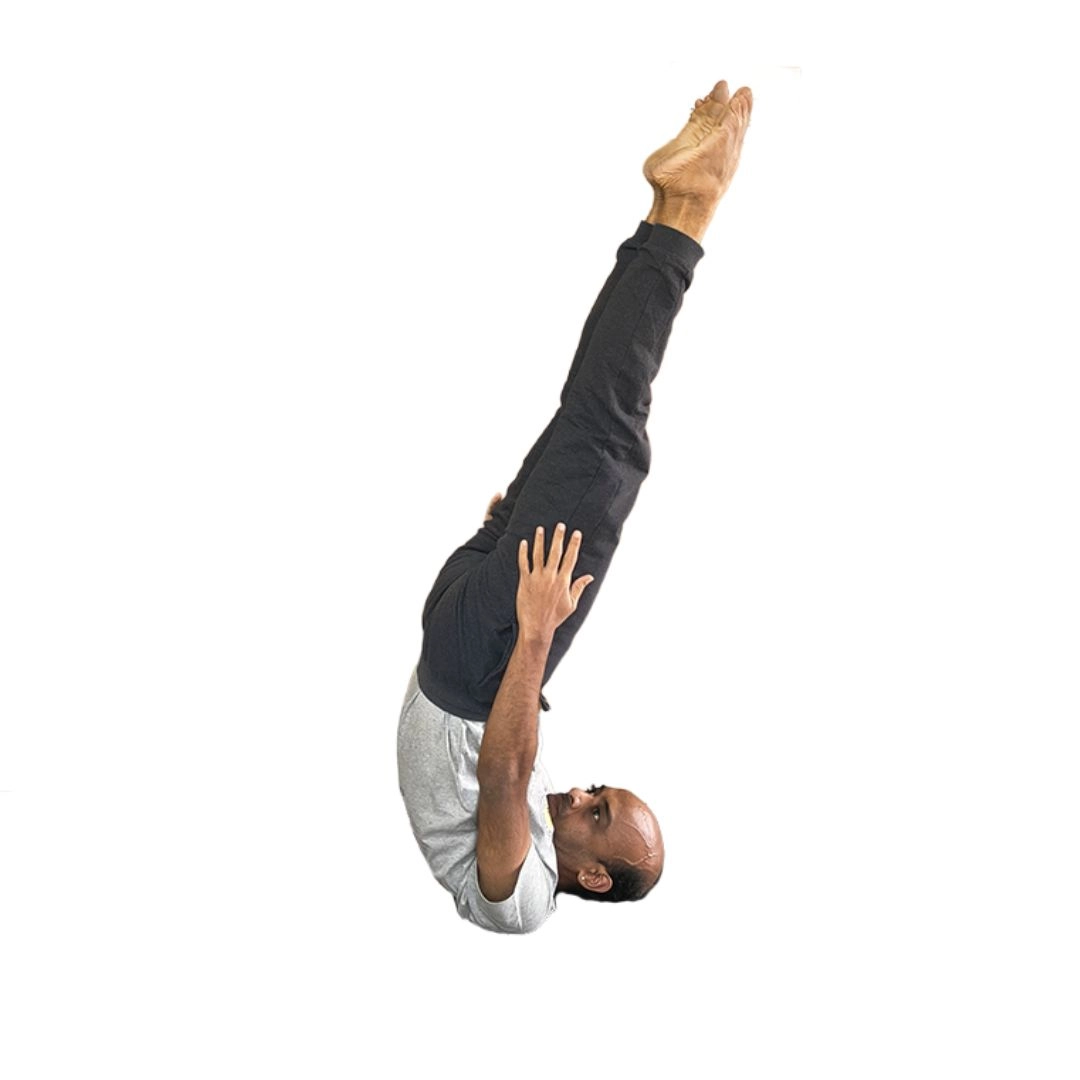
Niralamba Sarvangasana (सर्वांगासन), or Shoulder Stand, is one of the most important and well-known poses in hatha yoga. It is often called the “Queen of all Asanas” because of its profound therapeutic effects on the entire body. The name comes from the Sanskrit words “sarva” (all), “anga” (limbs or body parts), and “asana” (posture), signifying that it benefits all parts of the body.
How to do Niralamba Sarvangasana
Benefits of Niralamba Sarvangasana
- Circulatory System:
The inverted position reverses blood flow, which can help improve circulation to the upper body, brain, and endocrine glands like the thyroid. This can rejuvenate the body and may help with conditions like varicose veins. - Endocrine System:
The chin lock (Jalandhara Bandha) in this pose is thought to stimulate the thyroid and parathyroid glands, which are crucial for metabolism and hormonal balance. - Nervous System:
It has a calming and soothing effect on the nervous system, which can help reduce stress, anxiety, and even aid in treating insomnia and depression.
- Muscular-Skeletal System:
It strengthens the shoulders, arms, and core muscles. It also improves flexibility in the spine and neck. - Digestive System:
The pose can help stimulate the digestive organs and improve gut health by relieving issues like indigestion and constipation. - Other Benefits:
The pose is also said to help with respiratory ailments like asthma, promote healthy skin and hair by increasing blood flow to the head, and boost overall immunity.
Contraindications of Niralamba Sarvangasana
Avoid or modify this pose if you have:
- Neck or Shoulder Injury:
Any pre-existing neck or shoulder pain, injury, or conditions like spondylitis. - High Blood Pressure or Heart Conditions:
The inversion can increase blood pressure and is not recommended for people with cardiovascular issues. - Glaucoma:
The increased blood flow to the head can raise intraocular pressure. - Menstruation or Pregnancy:
It is generally advised to avoid inversions during these times.
- Headaches or Migraines:
The pose may exacerbate headaches. - Throat or Ear Infections:
Increased blood flow to the head may cause discomfort. - Recent Surgery:
Especially abdominal surgery. - Weak Internal Organs: Conditions affecting the spleen, liver, or kidneys.
Anatomy (Muscles involved)
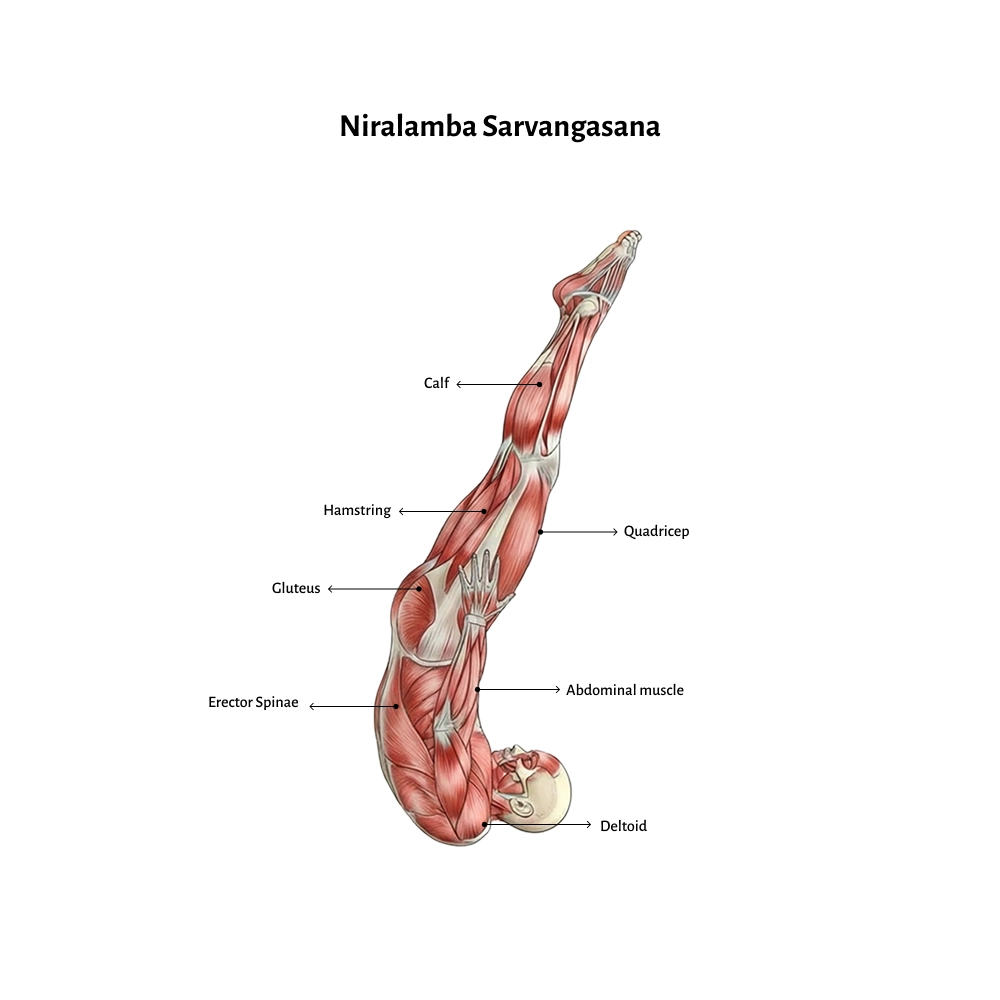
This pose engages a complex network of muscles and joints:
Muscles:
It engages the core muscles for stabilization, the shoulder and arm muscles (deltoids, triceps, and biceps) for support, and the leg muscles (quadriceps and hamstrings) to keep the legs straight and active. The adductor muscles are used to keep the legs together.
Spine and Neck:
The spine is flexed, and the neck is in a deep flexion, which requires careful alignment to prevent injury. The weight of the body should be on the shoulders, not the neck.
Joints:
The pose involves external rotation and hyperextension of the shoulder joint, as well as flexion of the neck and spine.