Prasarita Padottanasana
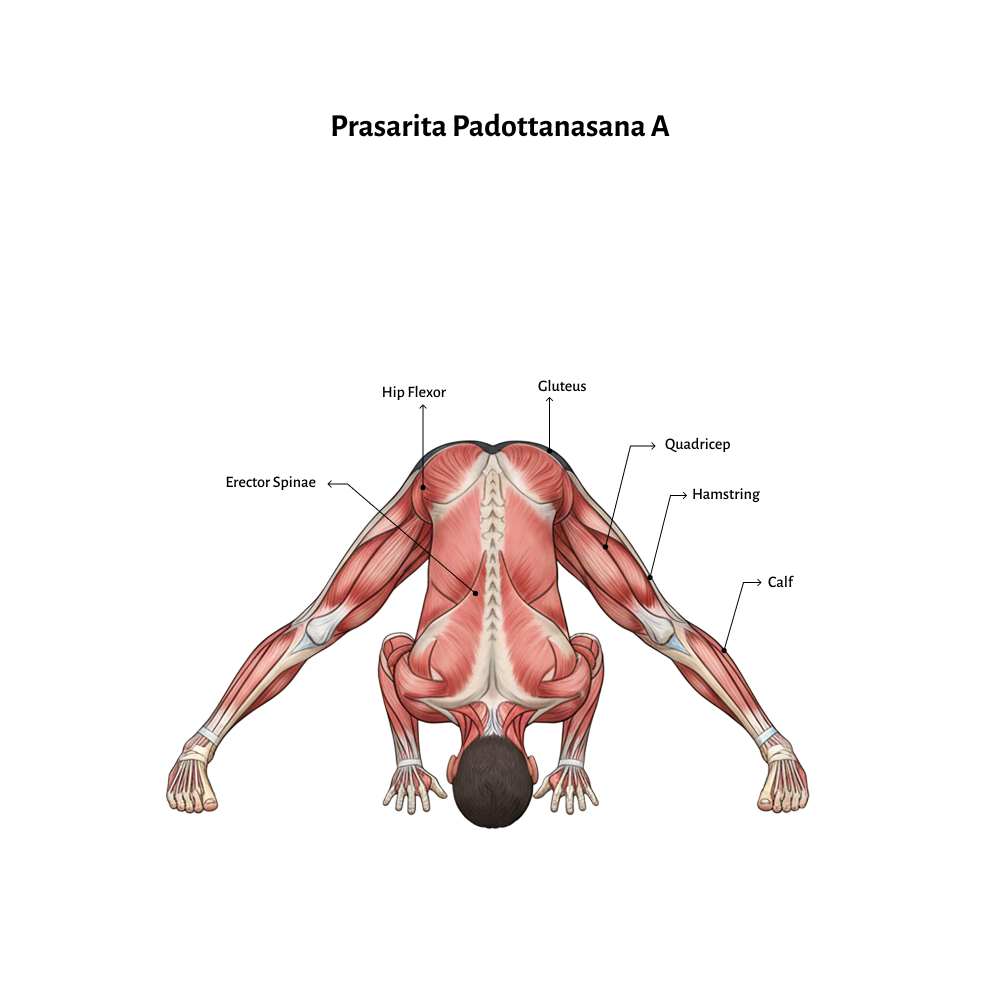
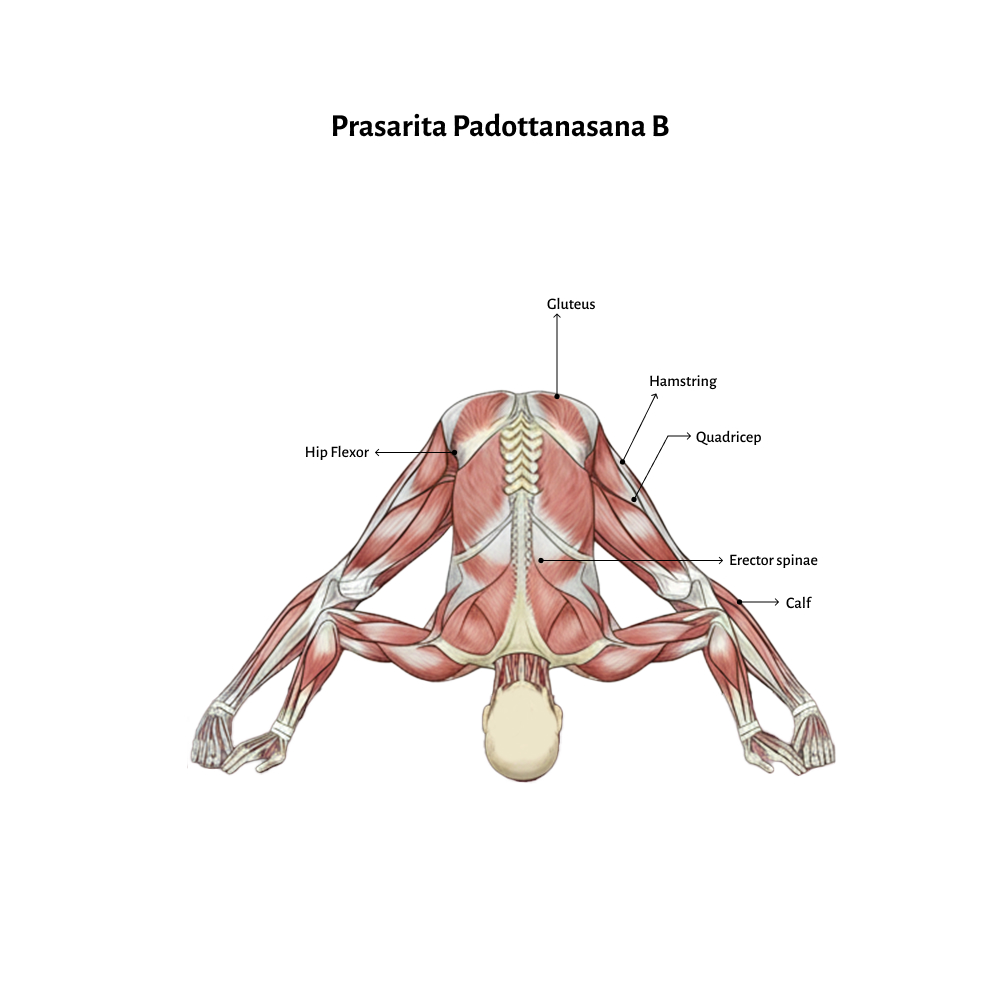
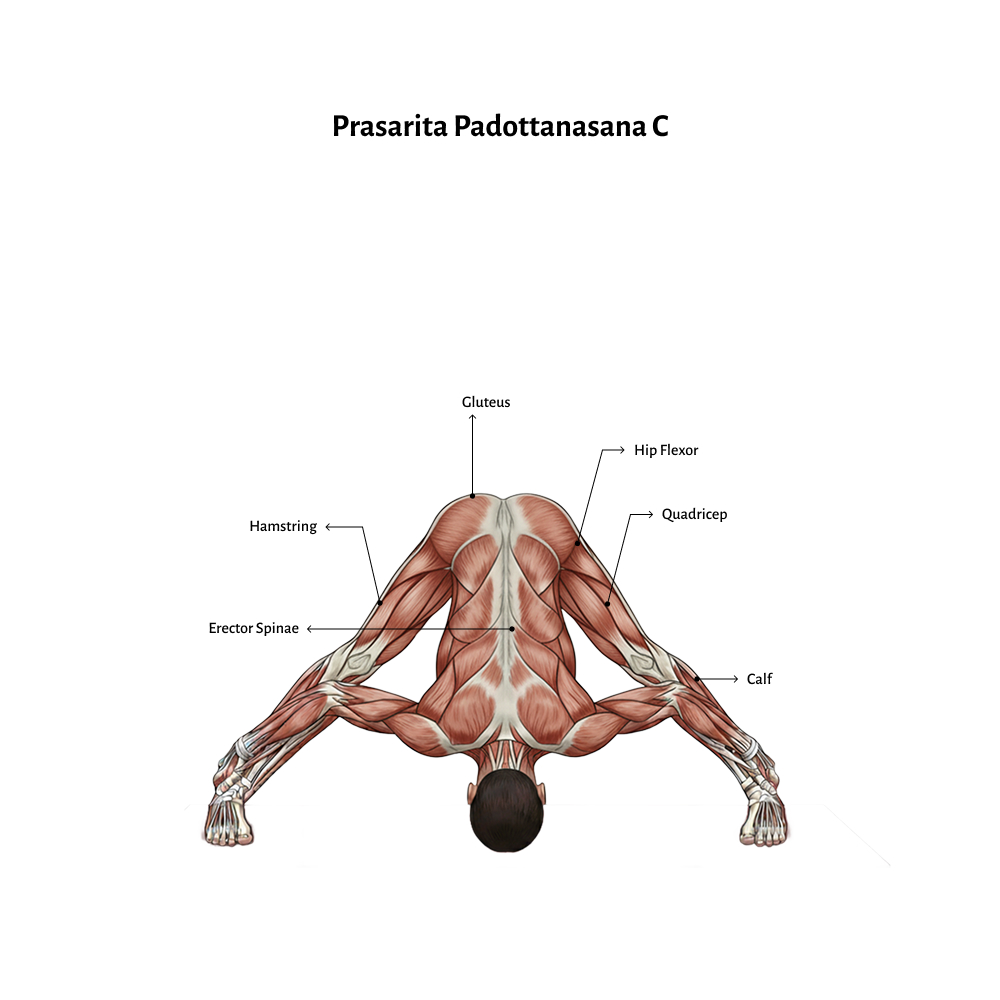
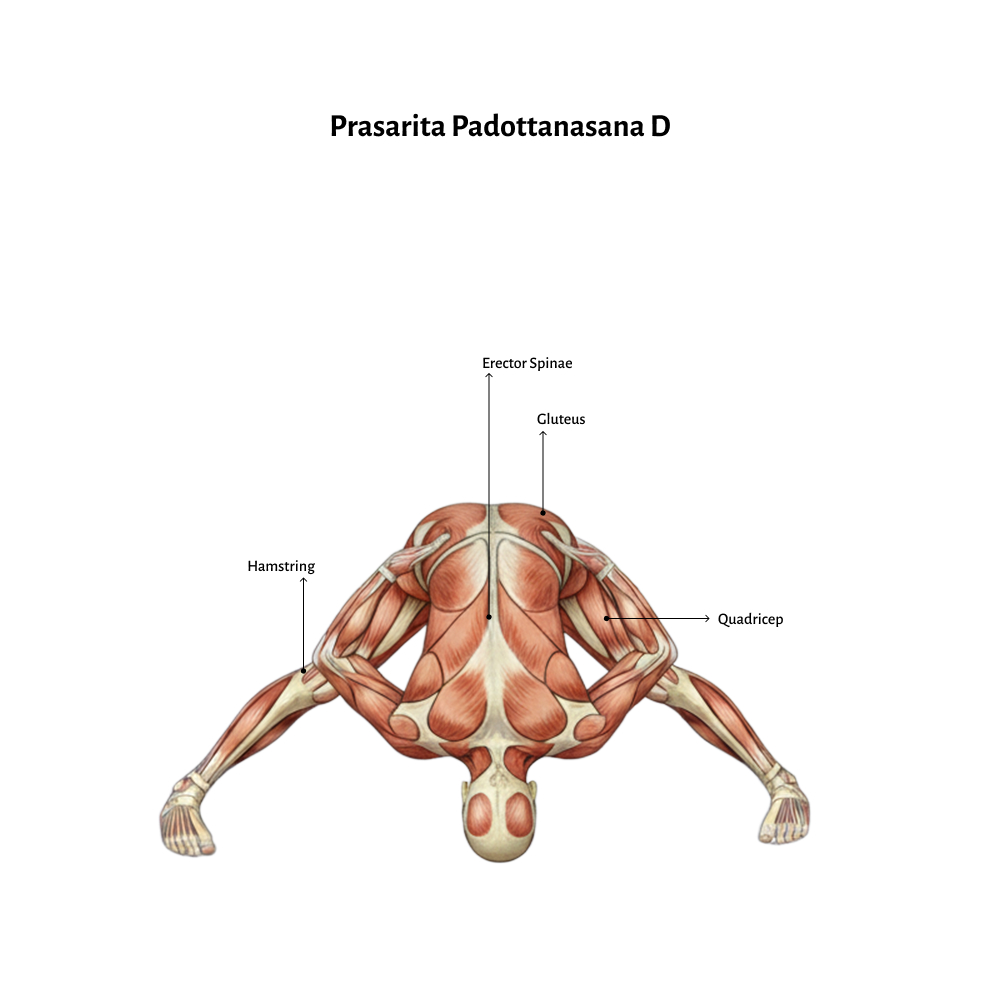
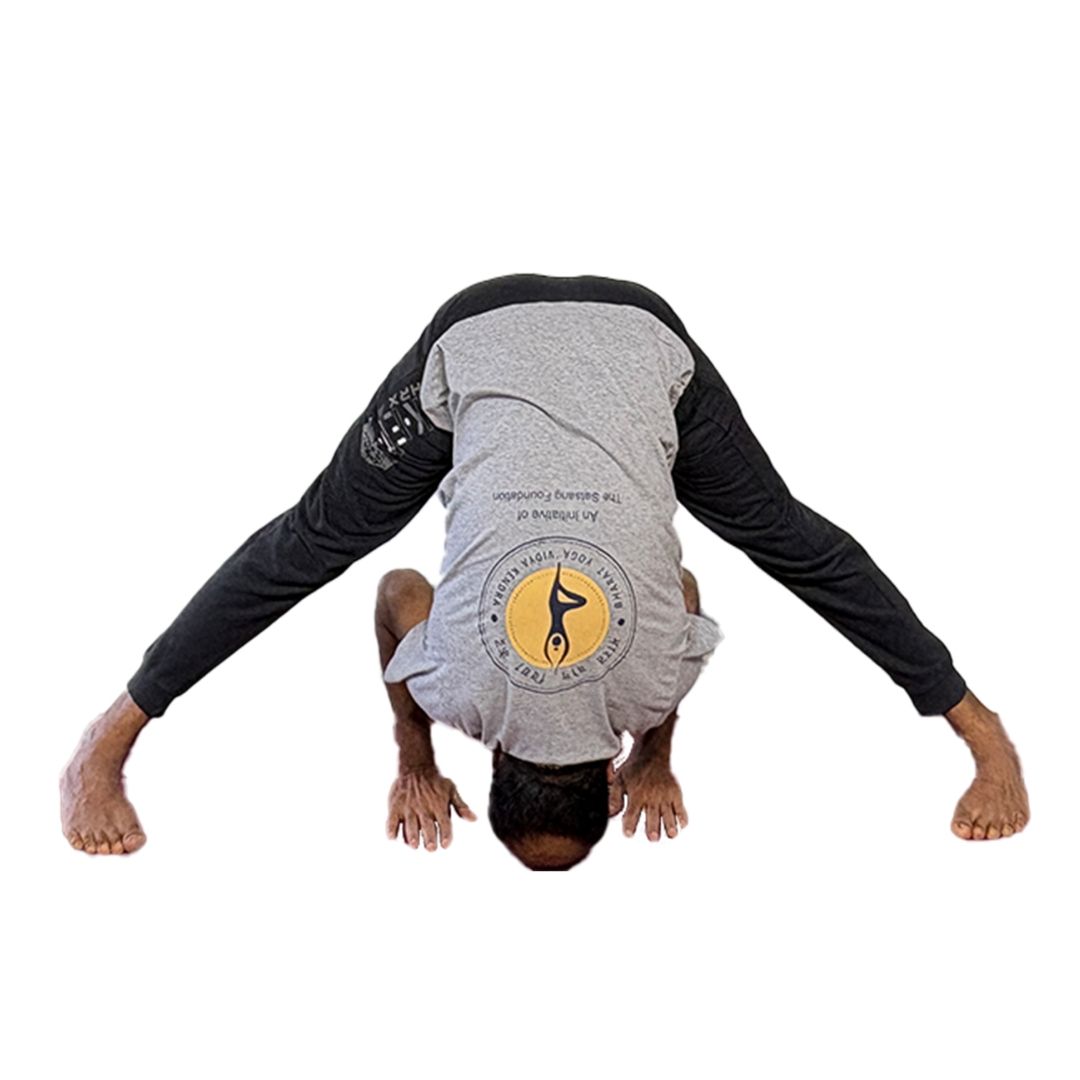
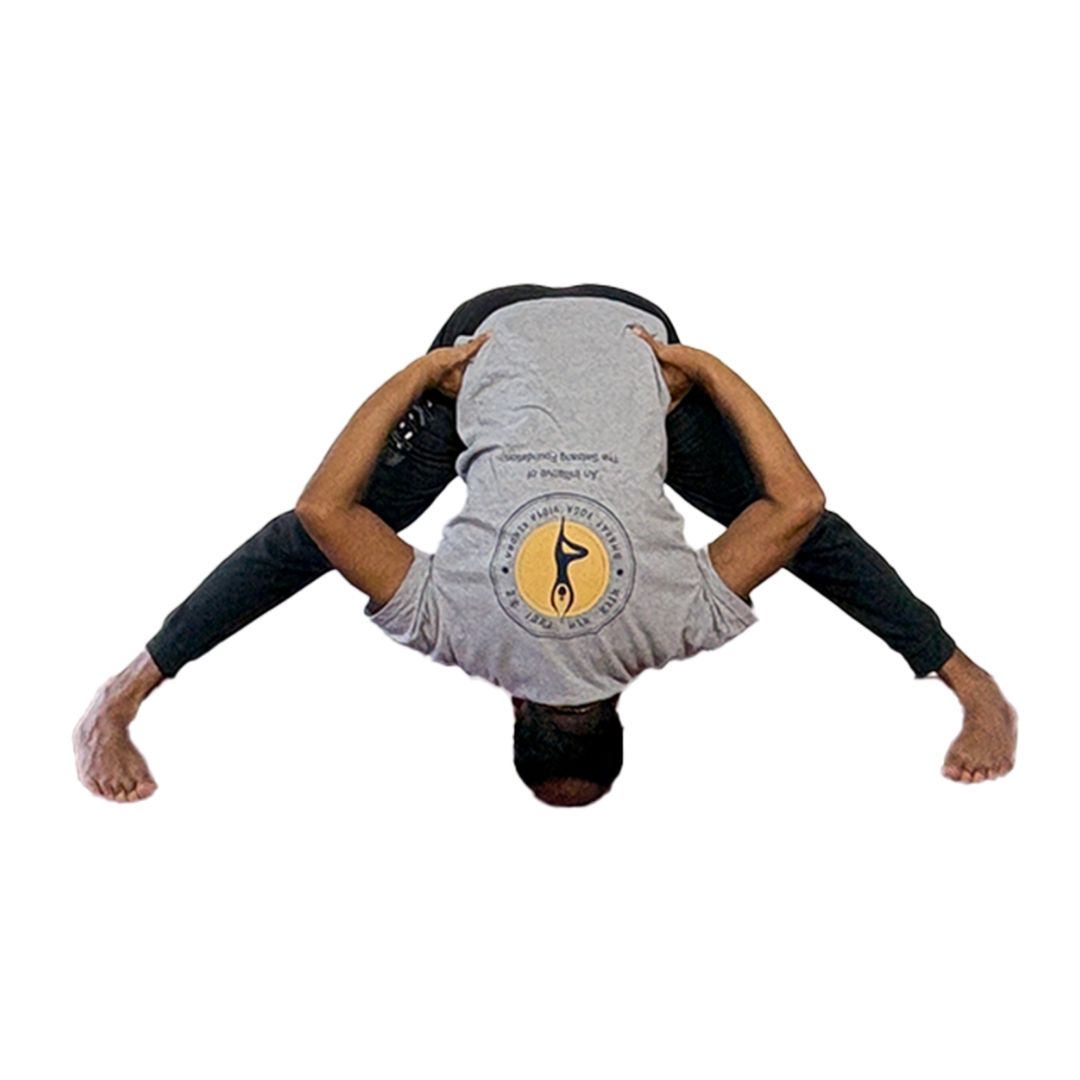
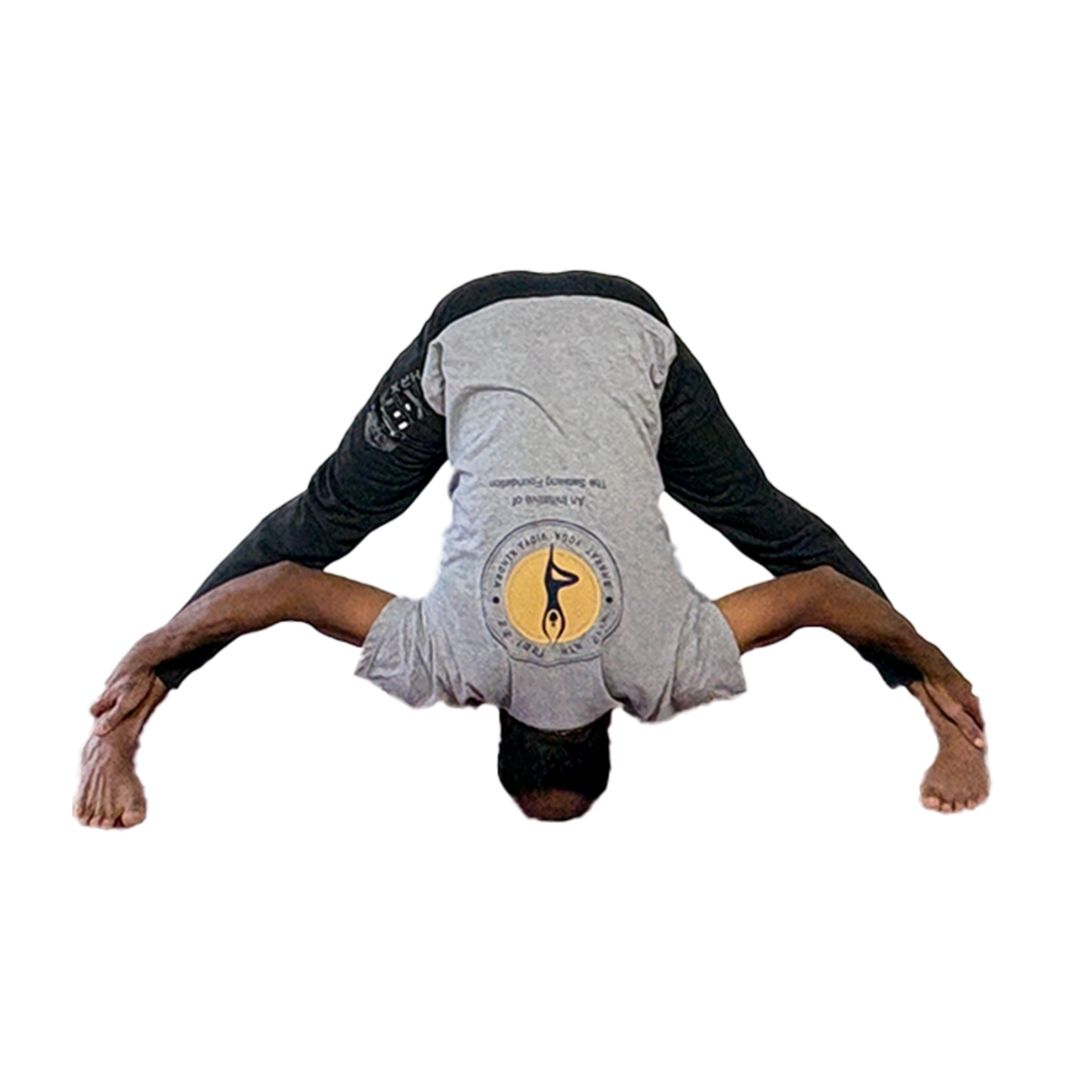
Prasarita Padottanasana, or Wide-Legged Standing Forward Bend, is a series of four variations (A, B, C, and D) in the Ashtanga Yoga Primary Series. The poses are known for stretching and strengthening the legs and spine, while also promoting calmness and relaxation.
How to do Prasarita Padottanasana
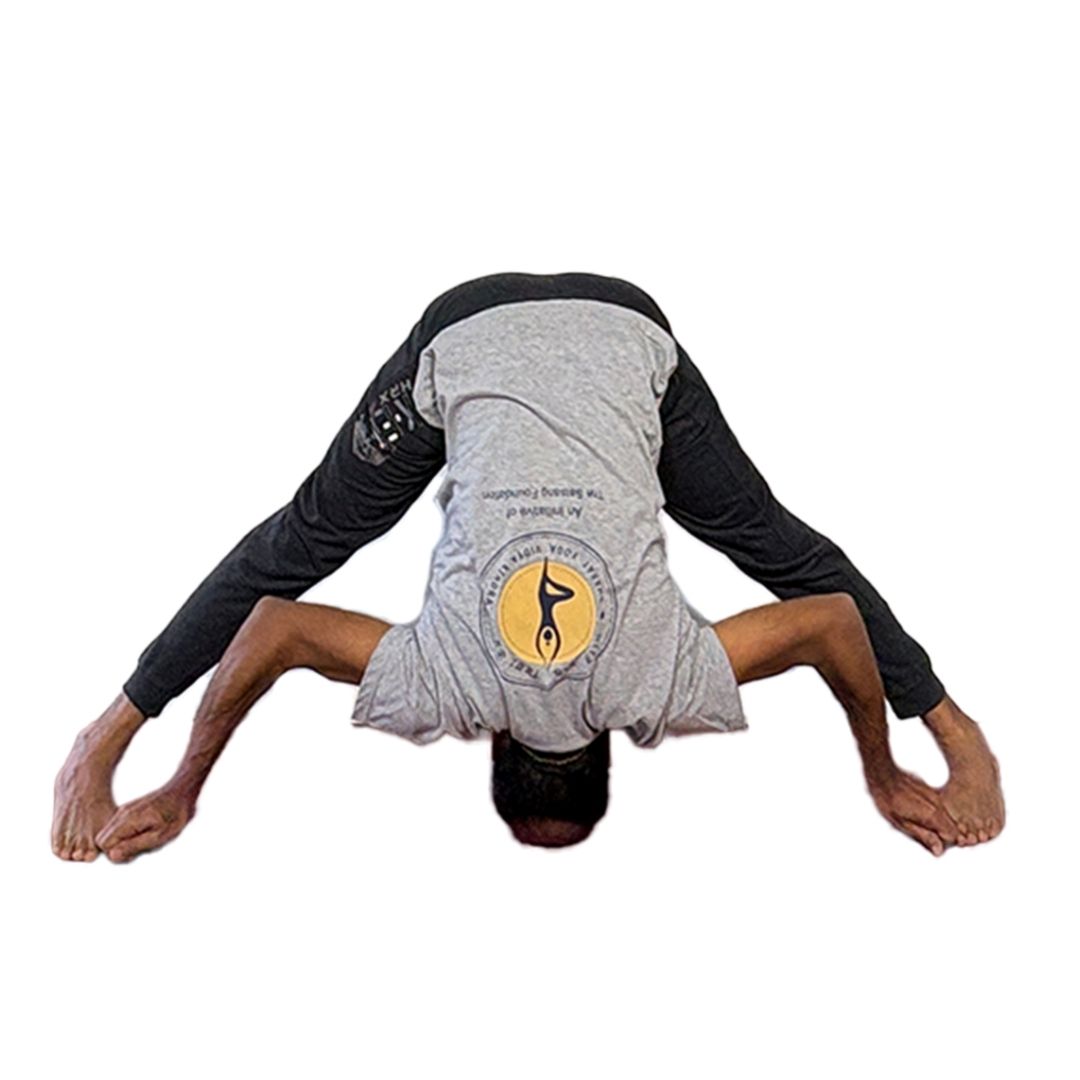
Benefits of Prasarita Padottanasana
- Stretches and Lengthens:
Deeply stretches the hamstrings, hips, and lower back. - Calming and Soothing:
As a mild inversion, it increases blood flow to the brain, which can help calm the nervous system and relieve stress, anxiety, headaches, and fatigue.
- Improves Flexibility:
Increases range of motion in the hips and spine. - Aids Digestion:
The forward fold gently compresses the abdominal organs, which can help improve digestion. - Strengthens:
Tones and strengthens the legs and core.
Contraindications of Prasarita Padottanasana
Avoid or modify this pose if you have:
- Injuries:
Avoid this pose if you have recent injuries or chronic pain in your ankles, wrists, knees, neck, or lower back.
- Blood Pressure/Eye Conditions:
Individuals with high blood pressure, glaucoma, or other eye conditions should not place their head below their heart.
- Pregnancy:
Pregnant women, especially in the later trimesters, should modify or avoid this pose.
- Dizziness:
Exit the pose slowly to avoid dizziness, especially if you have low blood pressure.
Anatomy (Muscles involved)
Prasarita Padottanasana engages and stretches a wide range of muscles and joints:
Muscles Stretched:
This pose deeply stretches the hamstrings, inner thighs (adductors), calves, and the entire back body, including the spine.
Muscles Strengthened:
The legs, including the quadriceps, are engaged and strengthened to support the body and maintain stability. The core muscles are also activated to protect the lower back.