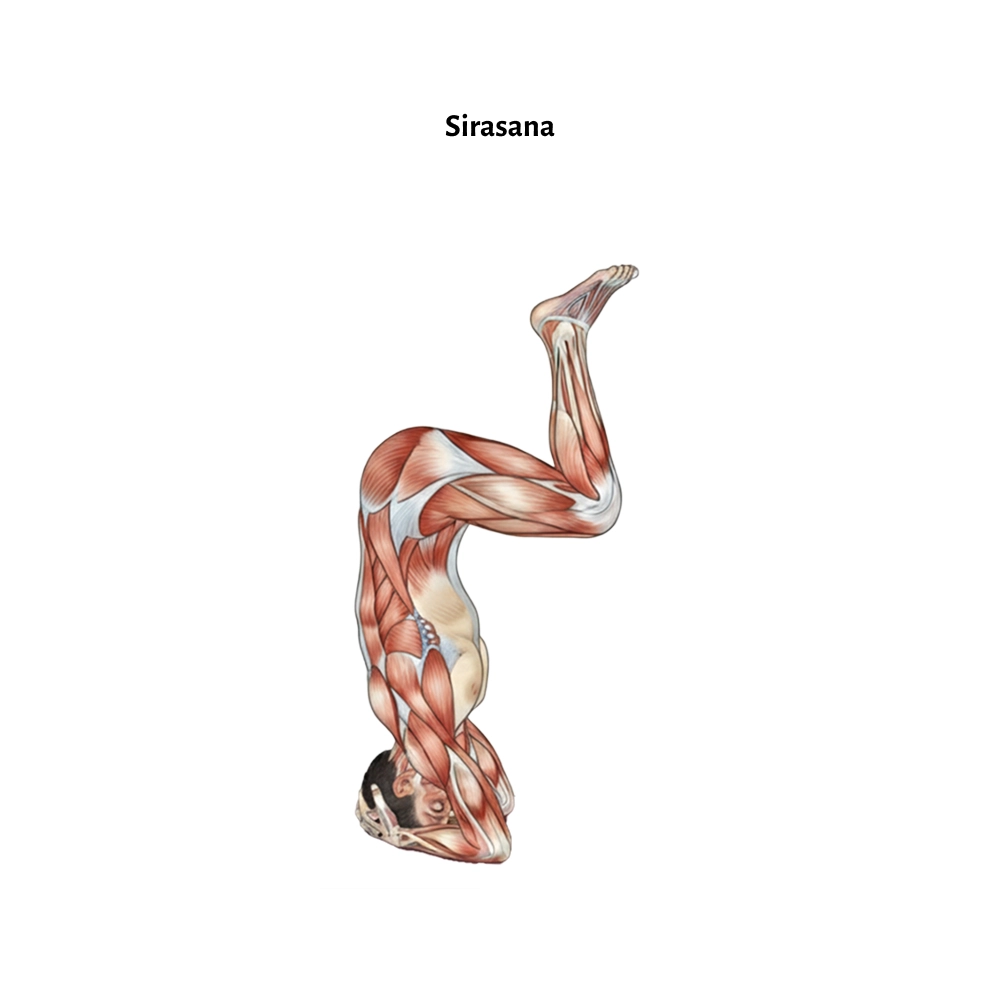
Sirsasana (शीर्षासन)
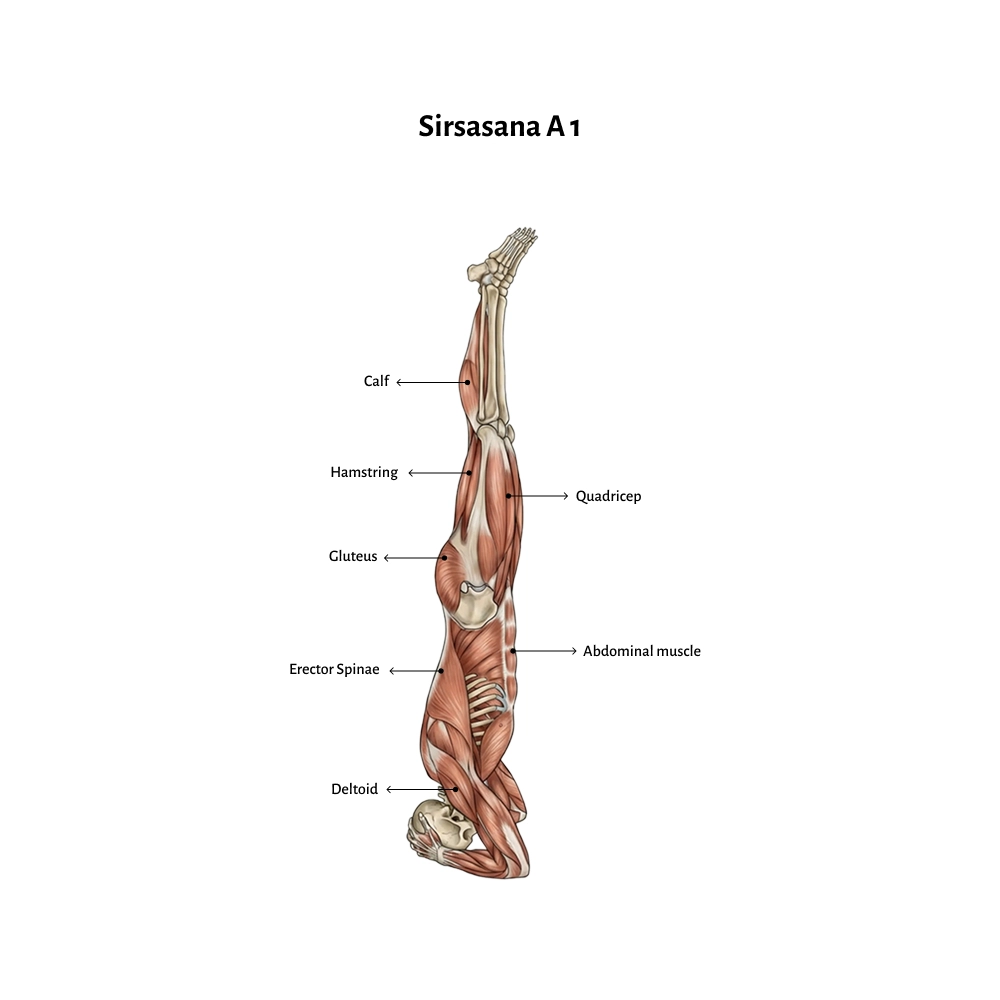
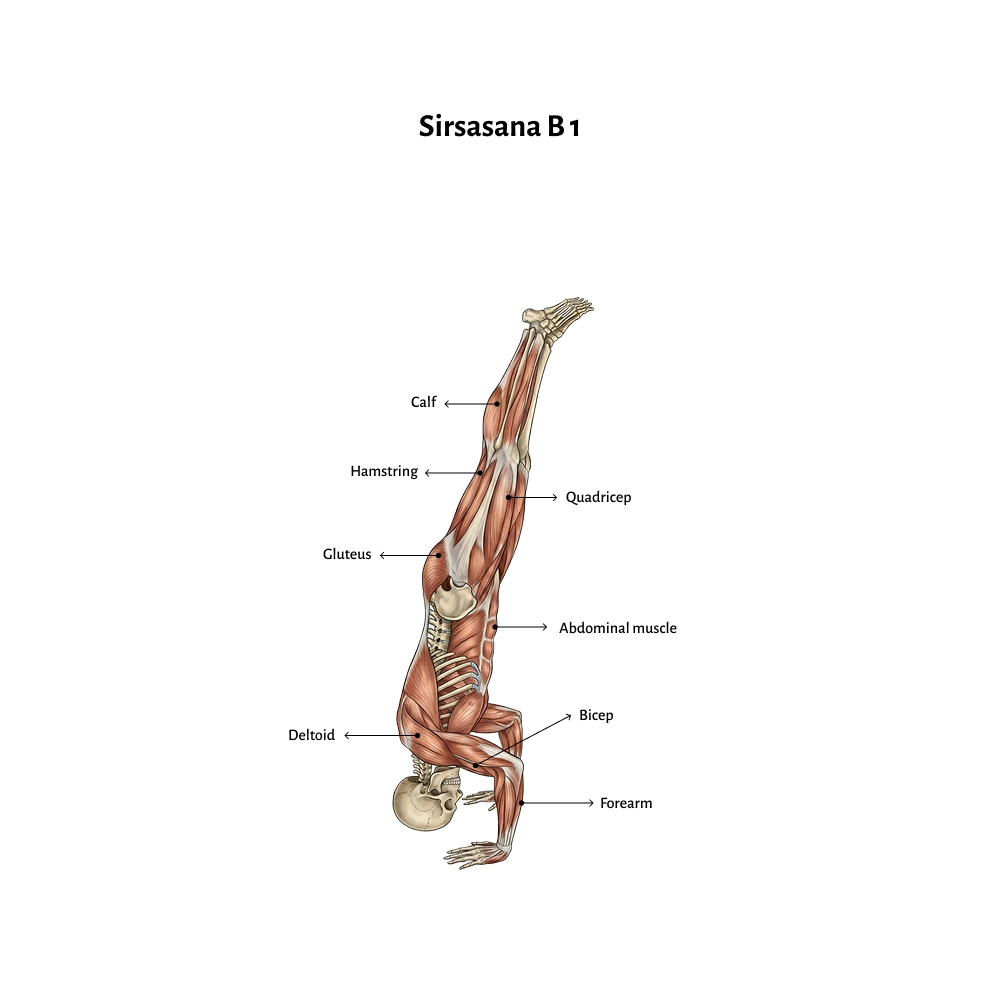
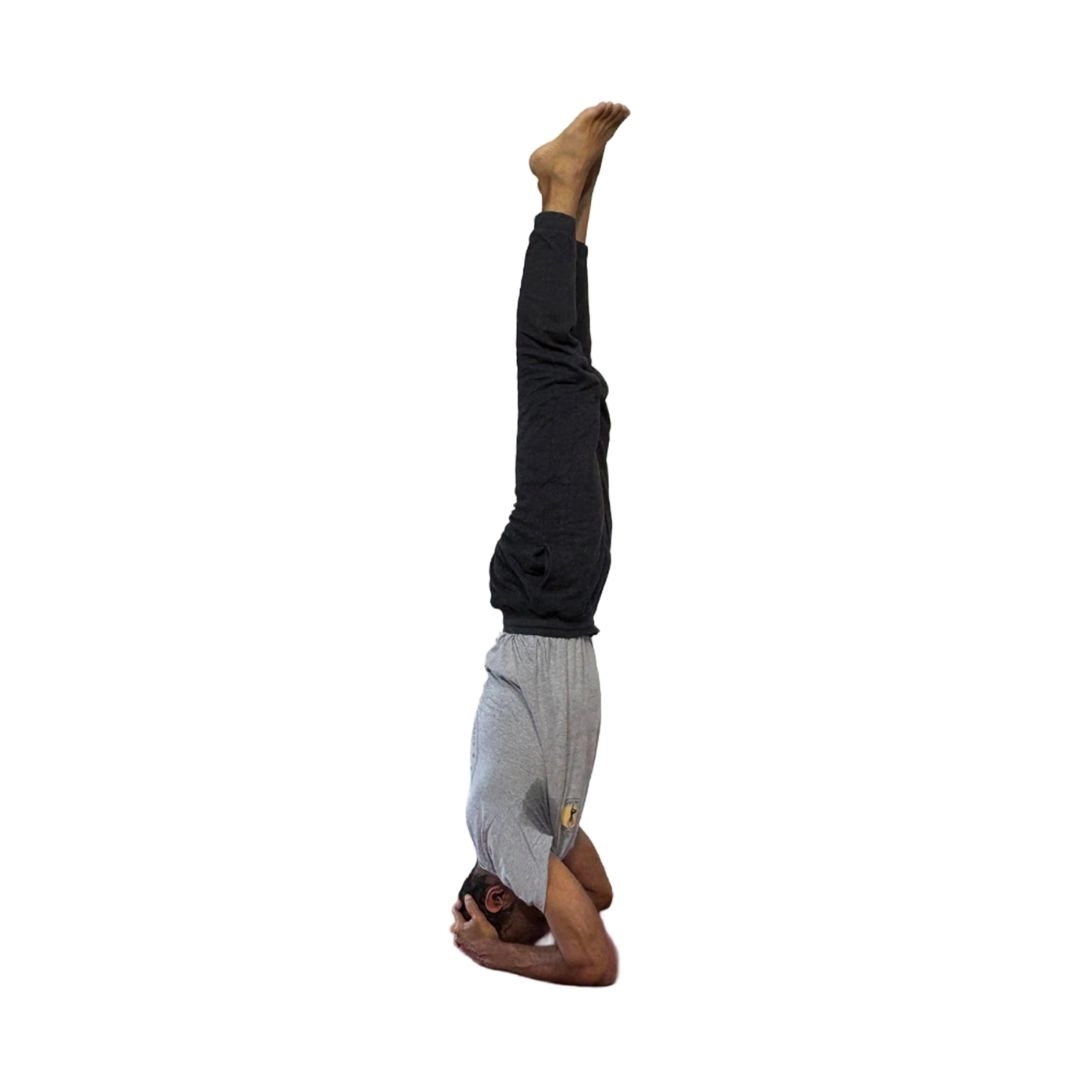
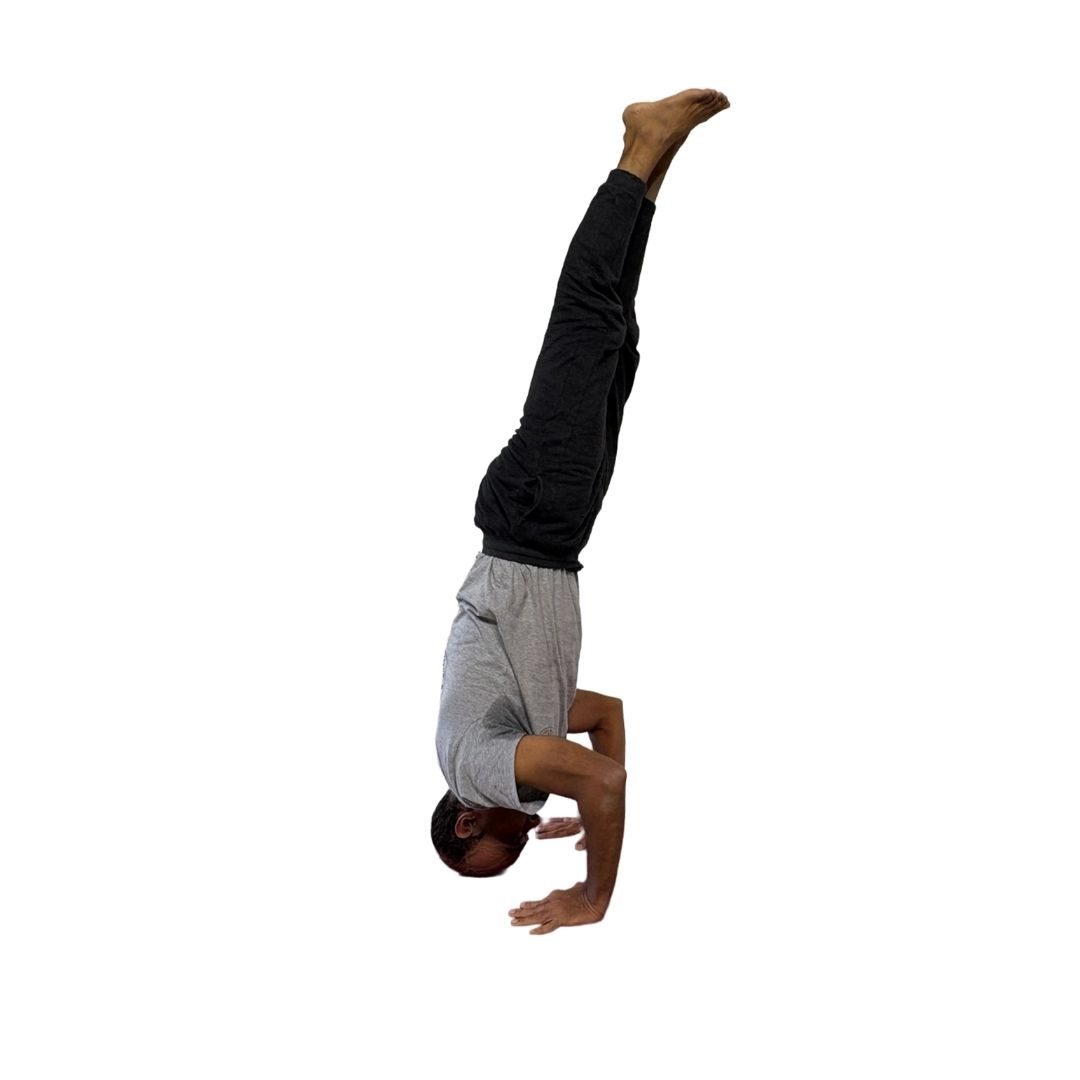
Sirsasana (शीर्षासन), or Headstand, is often called the “King of All Asanas” due to its numerous physical and mental benefits. There are two primary variations in the Ashtanga Vinyasa tradition: Sirsasana A and Sirsasana B. While both are inversions, they differ in their foundational support and a few key aspects.
How to do Sirsasana
Benefits of Sirsasana
- Improved Blood Circulation:
Inversions reverse the effects of gravity, sending oxygenated blood to the brain, face, and scalp. This can improve mental clarity, memory, and even hair and skin health. - Stimulates Glands:
The pose is said to stimulate the pituitary and pineal glands, which regulate many bodily functions, including mood, sleep, and metabolism. - Strengthens Core and Upper Body:
Both poses require and build significant strength in the arms, shoulders, and deep core muscles.
- Stress Relief and Calmness:
Inversions can calm the nervous system, relieving stress, anxiety, and mild depression. - Improved Digestion:
The reverse of gravity on the digestive organs can help with issues like constipation and indigestion. - Boosts Confidence:
Mastering an inversion like Headstand can be a huge confidence booster, as it requires overcoming fear and building strength and balance.
Contraindications of Sirsasana
Avoid or modify this pose if you have:
- Neck or Spinal Injuries:
Any existing or recent injury to the neck, spine, or shoulders is a major contraindication. - High Blood Pressure or Heart Conditions:
The inversion can increase blood pressure in the head and should be avoided by people with these conditions. - Glaucoma or Detached Retina:
The increased pressure in the head can be dangerous for the eyes. - Pregnancy:
It is generally not recommended to practice inversions during pregnancy, especially if you were not practicing them before.
- Menstruation:
Many yoga traditions advise against practicing inversions during menstruation, though this is a personal choice. - Vertigo or Inner Ear Problems:
These conditions can make it difficult to maintain balance. - Recent Stroke:
Anyone who has had a recent stroke should avoid this pose.
Anatomy (Muscles involved)
This pose engages a complex network of muscles and joints:
Muscles Engaged:
This variation requires more upper body and core strength than Sirsasana A, as the hands are not interlaced. It heavily engages the deltoids, triceps, and core.
Joints:
The hands, wrists, and shoulders bear more weight. It’s crucial to have strong wrists and shoulders to prevent injury.