Supta Konasana (सुप्त कोणासन)
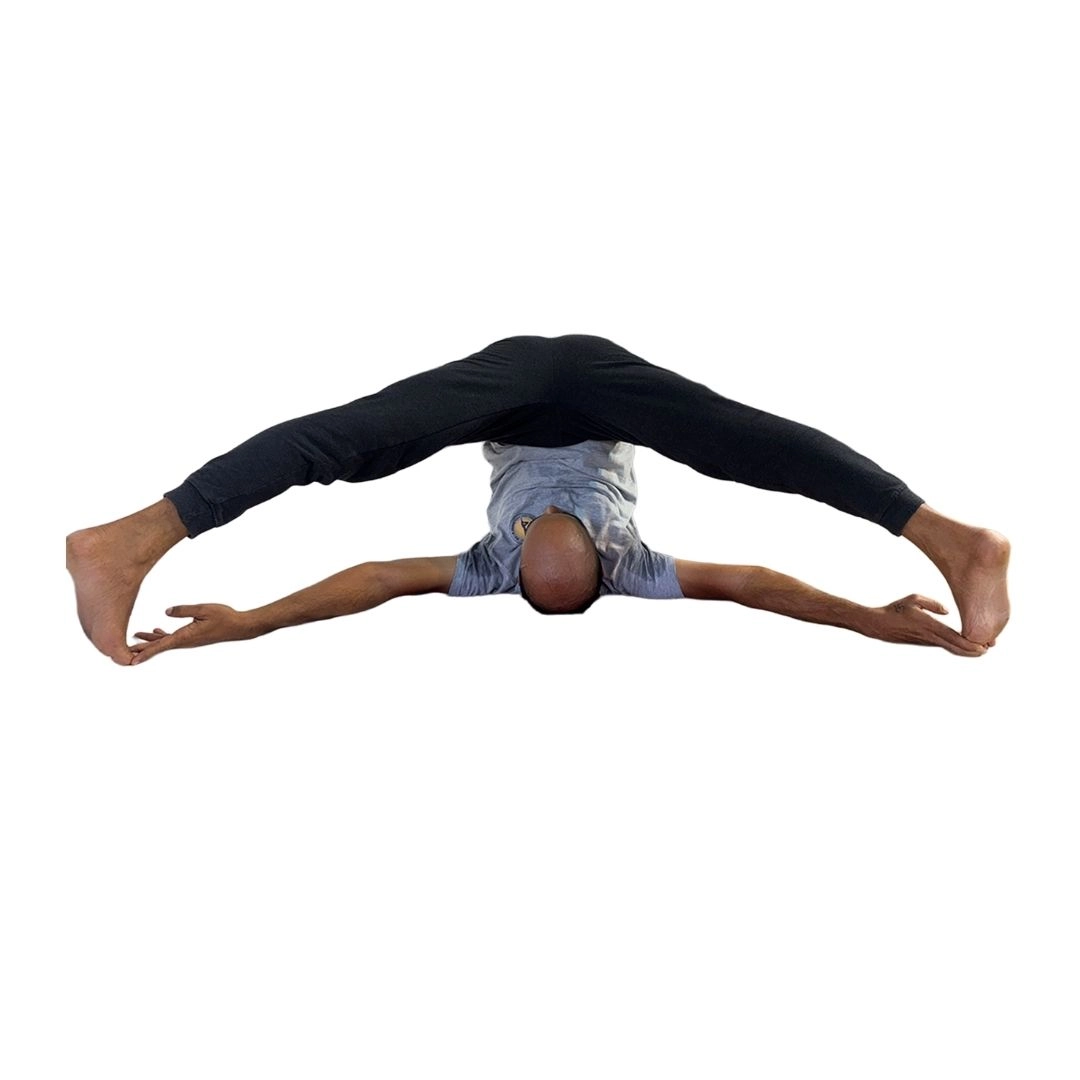
Supta Konasana (सुप्त कोणासन), or Reclining Angle Pose, is an advanced inverted yoga posture that combines a deep forward bend with a wide-legged stretch. The name comes from the Sanskrit words “supta” (reclining or sleeping), “kona” (angle), and “asana” (posture). It is a challenging inversion that requires significant flexibility in the hamstrings, hips, and back.
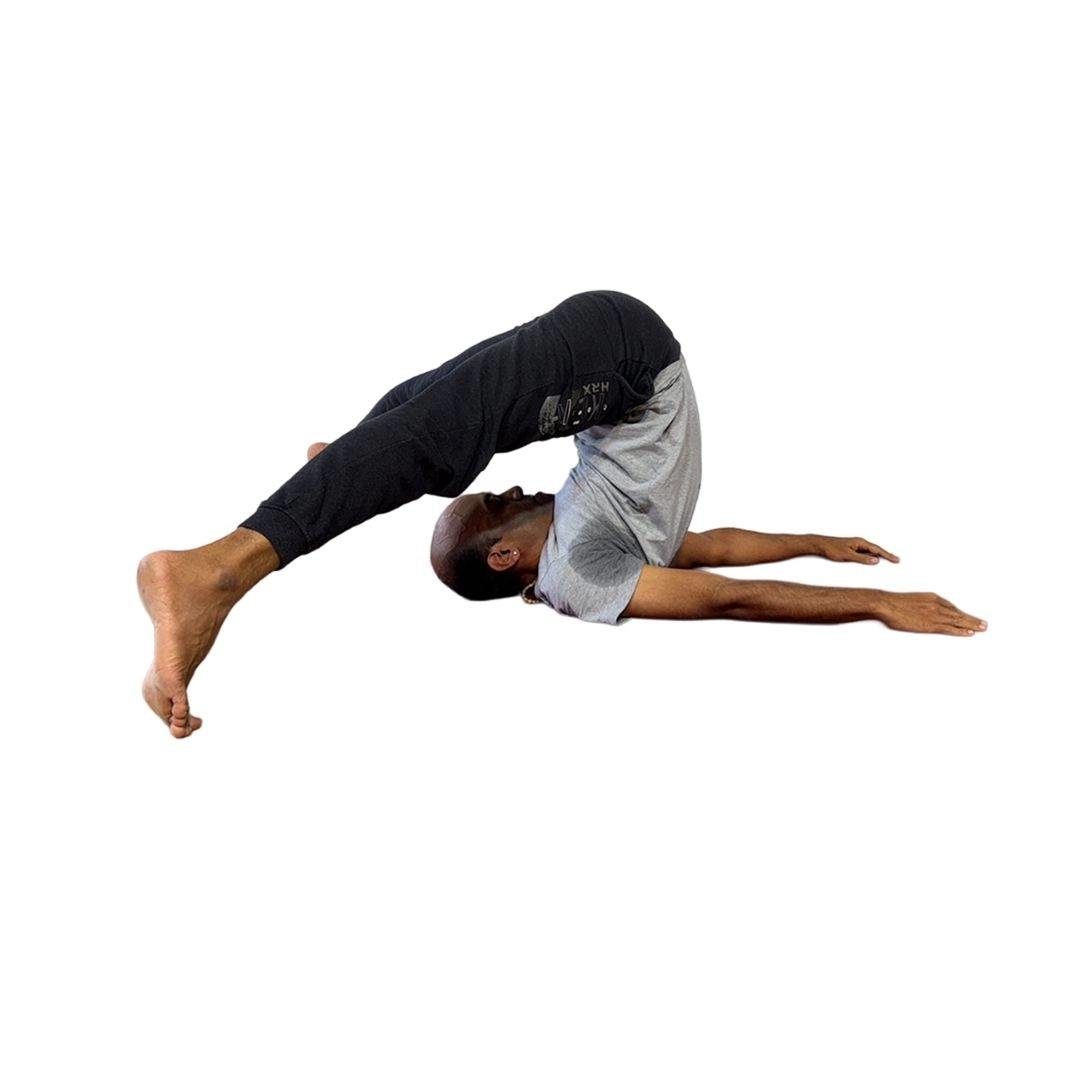
How to do Supta Konasana
Benefits of Supta Konasana
- Stretches and strengthens:
Tones the legs, stretches the hamstrings, and strengthens the abdominal muscles. - Spinal health:
Improves spinal flexibility by stretching the back muscles in an inverted position.
- Digestion:
The abdominal compression in the pose stimulates internal organs and can aid digestion. - Therapeutic effects:
It is said to relieve fatigue, headaches, anxiety, and insomnia.
Contraindications of Supta Konasana
Avoid or modify this pose if you have:
- Injuries:
Avoid this pose if you have pain or injuries in the neck, back, or legs. - Spinal issues:
Do not practice if you have a slipped disc or severe sciatica.
- Specific conditions:
Pregnant women and those with high blood pressure should avoid this pose. Women during menstruation should also skip this asana.
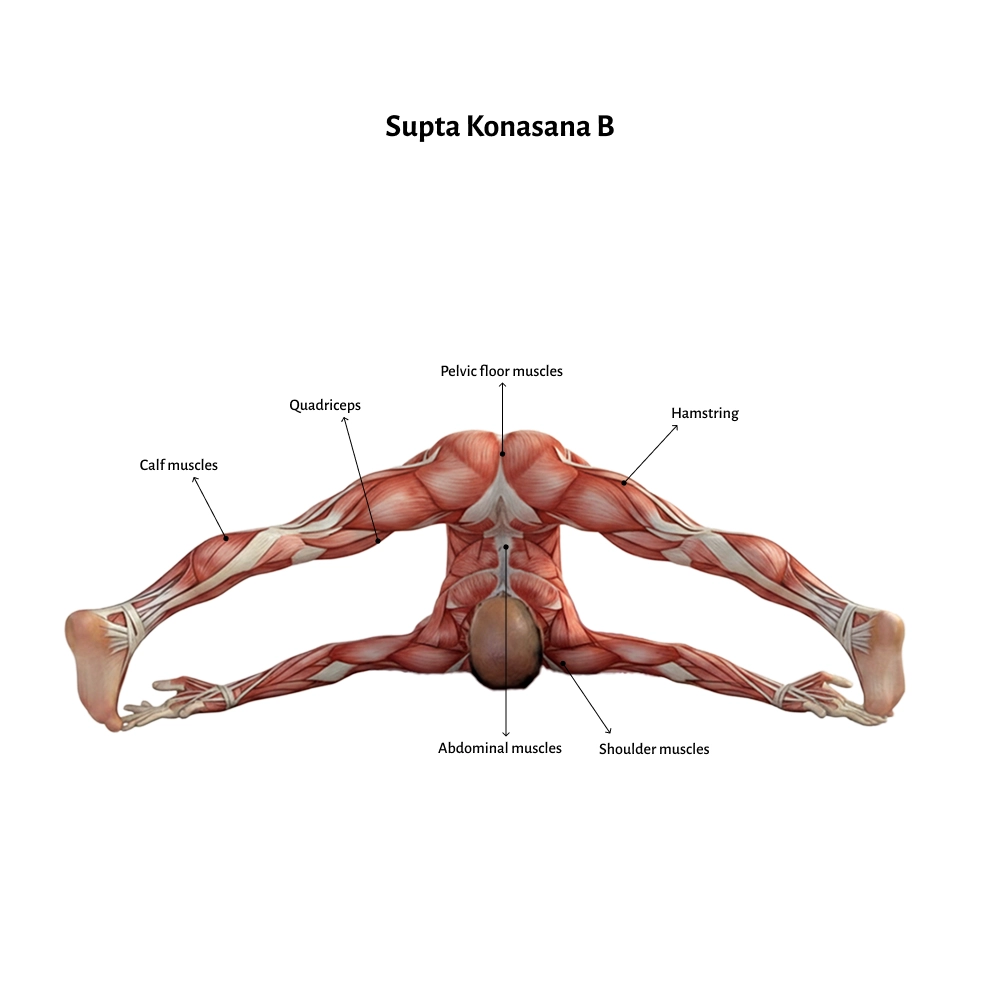
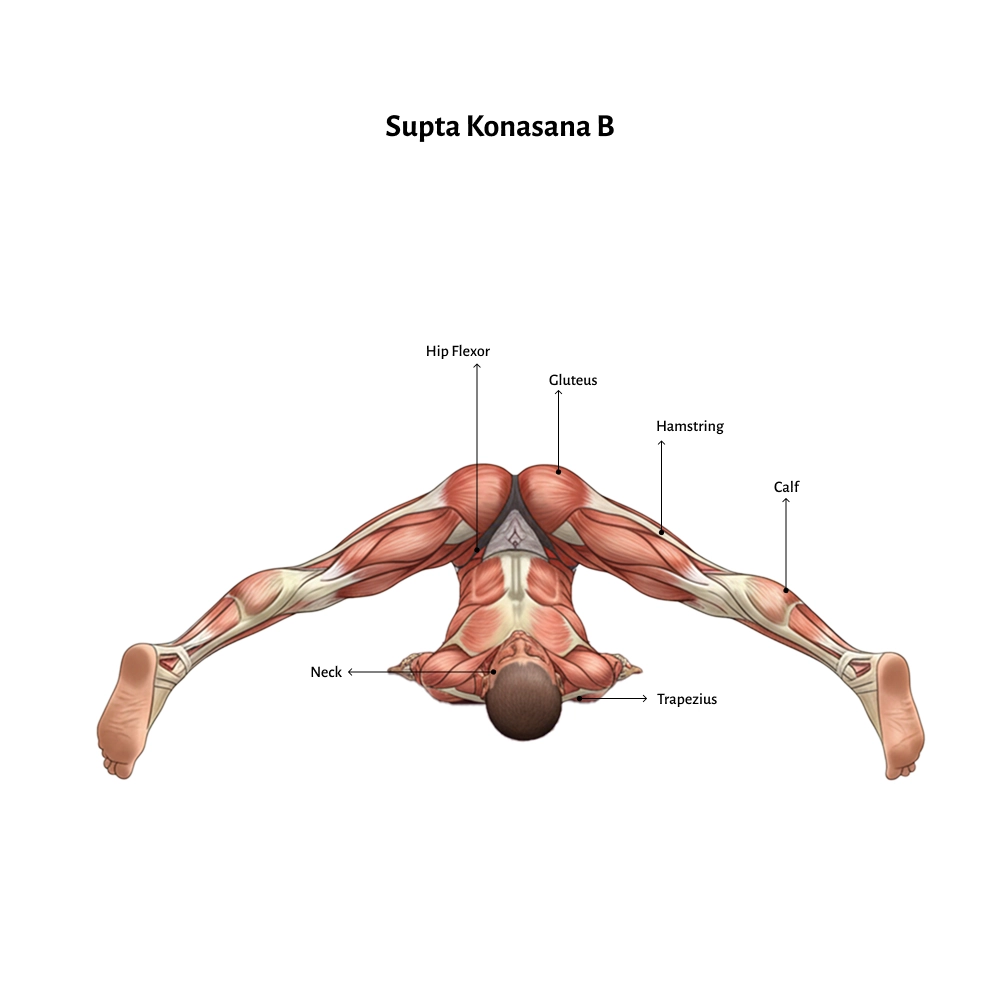
Anatomy (Muscles involved)
This pose engages a complex network of muscles and joints:
Muscles stretched:
Hamstrings, inner thighs (adductors), groin, and the muscles of the spine.
Muscles strengthened:
Abdominal muscles (core), and the muscles of the back that support the inversion.
Joints involved:
Hips (external rotation and flexion), knees, and the spine (flexion).