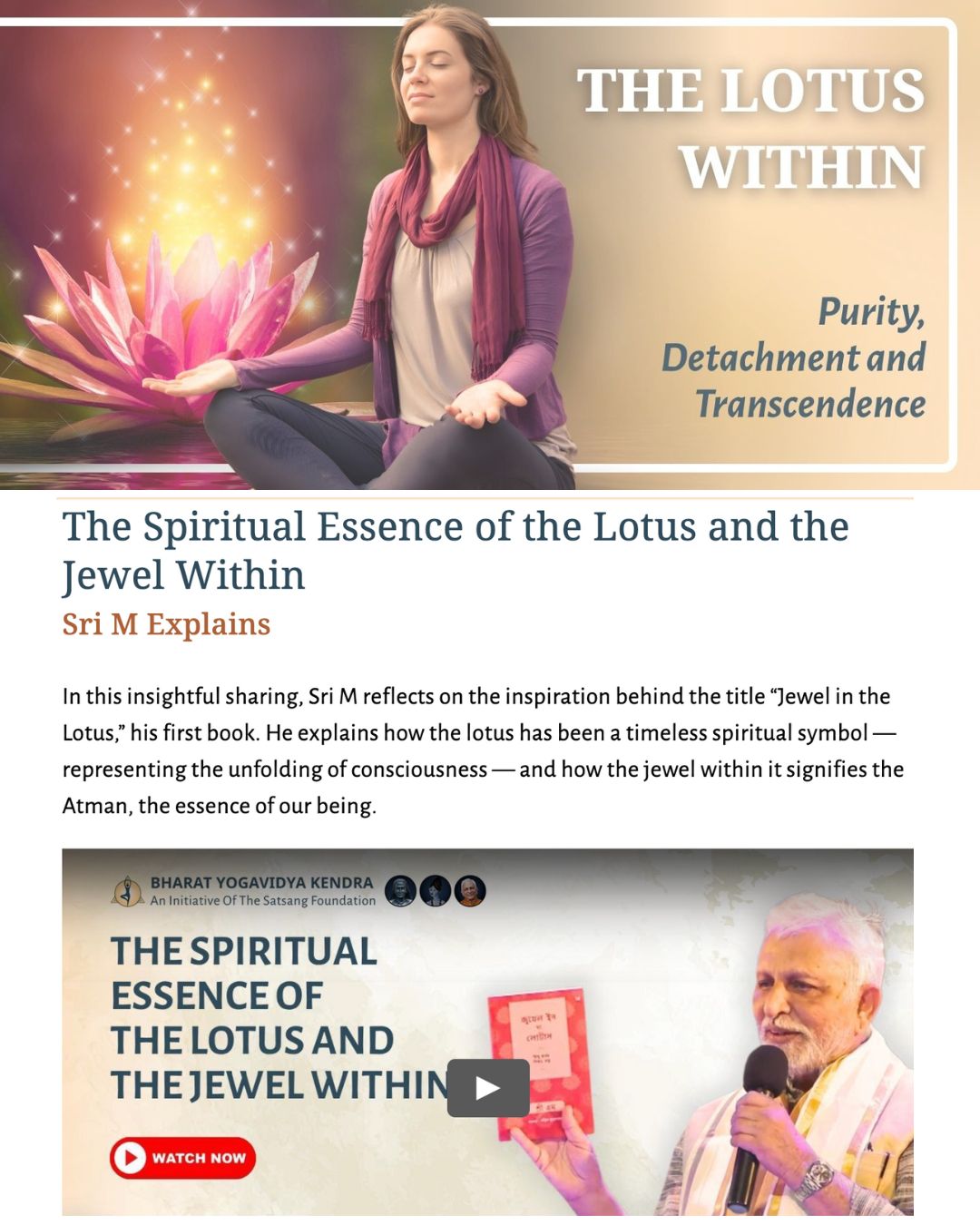
Yoga Mudrasana (योग मुद्रासन)
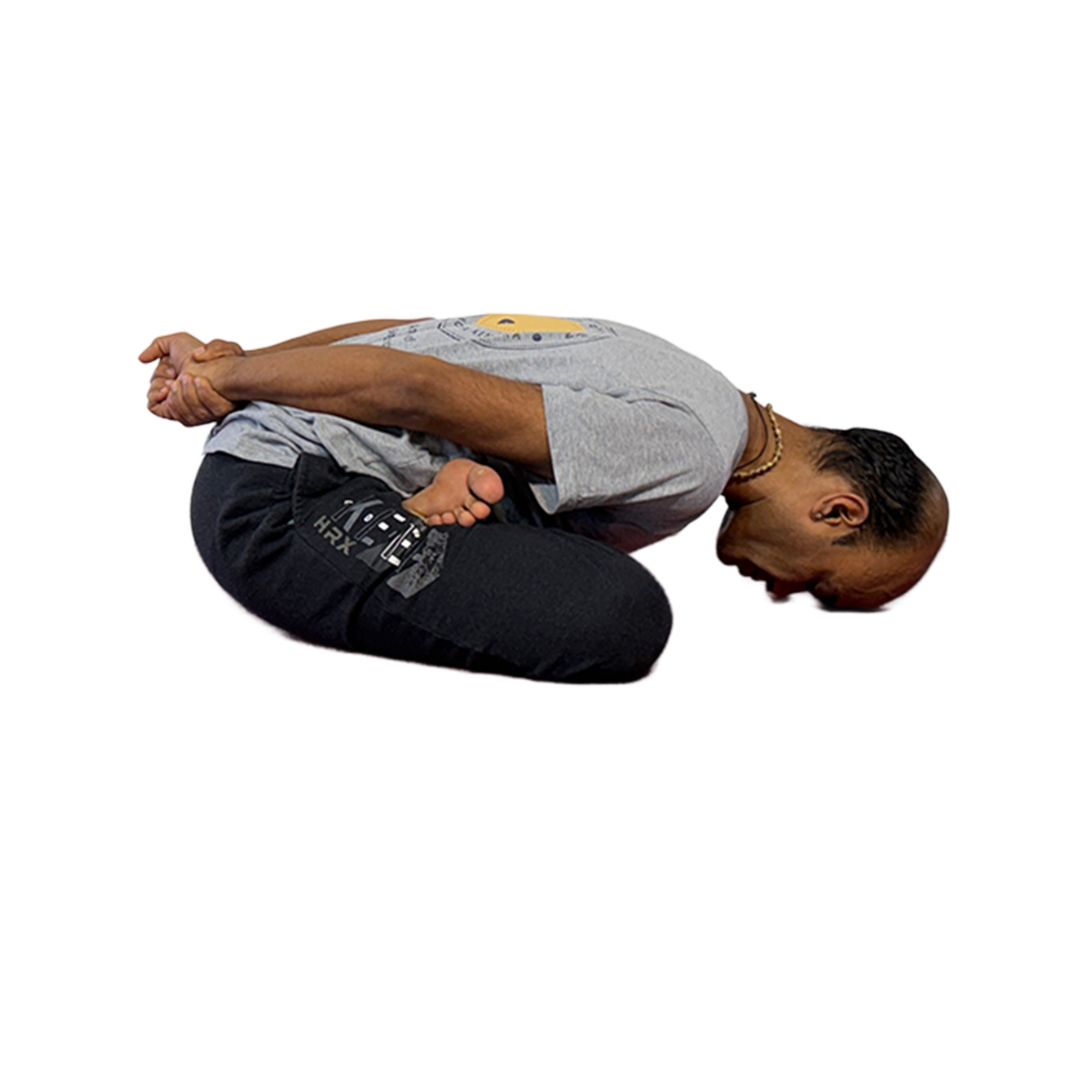
Yoga Mudrasana (योग मुद्रासन), or Psychic Union Pose, is a seated forward bend that is often practiced after Padmasana (Lotus Pose). The name comes from the Sanskrit words “yoga” (union), “mudra” (seal or gesture), and “asana” (posture). In this pose, the body is sealed in a forward fold, which is said to promote internal focus and the flow of energy.
How to do Yoga Mudrasana
Benefits of Yoga Mudrasana
- Stretches and Strengthens:
This pose deeply stretches the muscles of the arms, shoulders, chest, back, neck, hips, pelvis, and knees. It helps to increase flexibility and mobility in these areas. - Massages and Tones Internal Organs:
The forward bend and pressure from the heels on the abdomen provide a massage to the internal organs, including the liver, pancreas, kidneys, and adrenal glands. This can aid in improving digestion and relieving issues like constipation and indigestion. - Spinal Health:
It stretches and lengthens the spine, which can help relieve tension and pain in the back and neck. It also helps to tone the spinal nerves.
- Reduces Stress and Anxiety:
The forward bend has a calming effect on the mind, helping to reduce stress and anxiety and promote a sense of inner peace. - Energetic and Spiritual Benefits:
Yog Mudrasana is said to stimulate the “”Manipura Chakra”” (solar plexus) and awaken “”Kundalini”” energy, making it a powerful pose for those on a spiritual path. It is also believed to be a good anti-aging practice.
Contraindications of Yoga Mudrasana
Avoid or modify this pose if you have:
- Knee, Ankle, or Hip Injuries:
The pose puts significant pressure on these joints. - High Blood Pressure or Heart Conditions:
The forward fold can increase pressure and should be avoided. - Hernia or other Serious Abdominal Ailments:
The pressure on the abdomen can be harmful. - Severe Back Pain, Slipped Disc, or Sciatica:
The deep spinal stretch can exacerbate these conditions.
- Pregnancy:
The pose is not safe for pregnant women due to the pressure on the abdomen. - Recent Surgery:
Avoid if you have had recent surgery, especially on the hips, knees, or internal organs. - Menstruation:
Women should avoid this pose during their menstrual cycle.
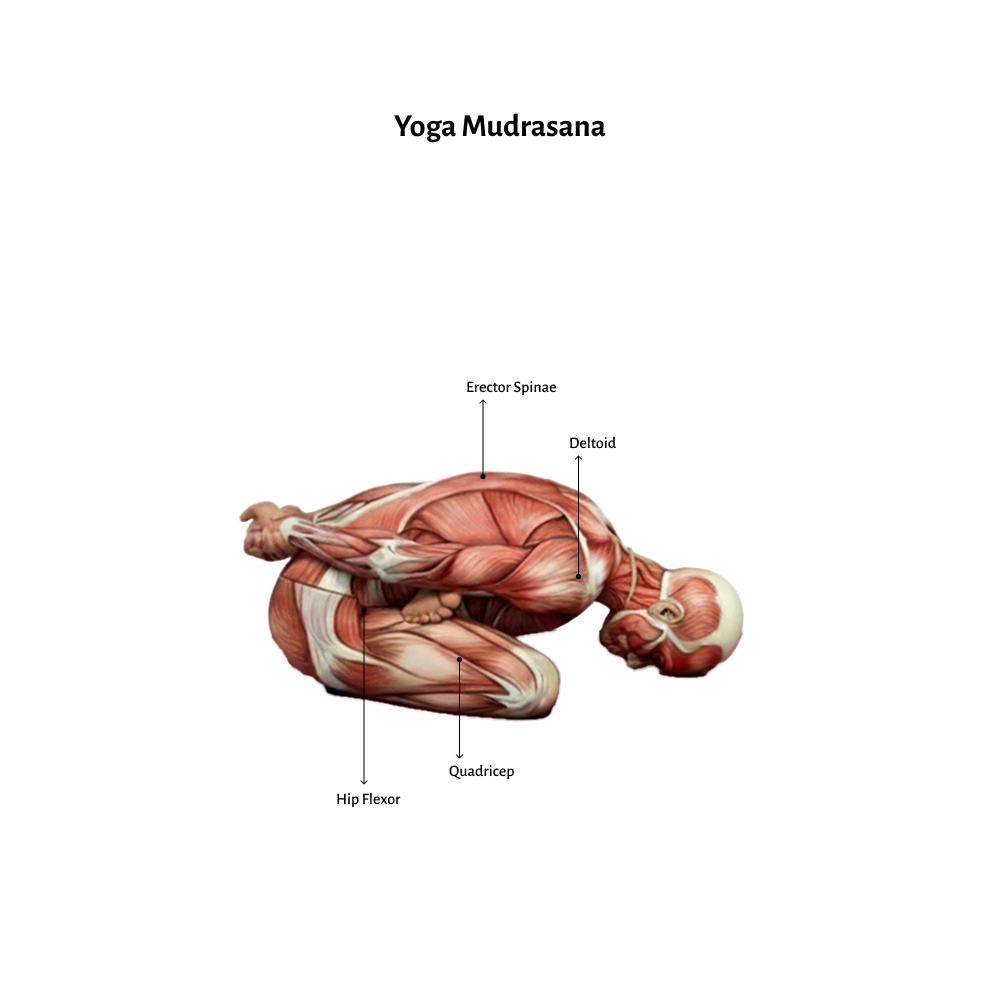
Anatomy (Muscles involved)
Yoga Mudrasana involves several muscle groups and joints:
Spine and Back:
The erector spinae muscles (which run along the spine) are stretched and lengthened during the forward bend.
Hips and Pelvis:
The hip flexors and glutes are engaged and stretched. The pose requires significant external rotation of the knees and hips to achieve Padmasana.
Core:
The core muscles (abdominals) are engaged to support the back and maintain stability during the bend.
Shoulders and Arms:
The deep bind of the hands behind the back stretches and opens the shoulders and chest.
Legs:
The pose provides a deep stretch to the muscles around the hips, knees, and ankles.